
The Legendary New York Times Chocolate Chip Cookies: A Recipe Worth the Wait
Since its acclaimed publication by The New York Times in 2009, this remarkable chocolate chip cookie recipe has transcended the ordinary, achieving legendary status in the culinary world. It has not only taken countless food blogs and home kitchens by storm but has also redefined expectations for what a chocolate chip cookie can be. Far from the traditional, often flat and crispy varieties, this recipe crafts an extraordinary texture and a depth of flavor that sets it dramatically apart. It’s a testament to thoughtful ingredient selection and meticulous technique, culminating in an unforgettable gourmet treat.
What elevates these cookies to such an iconic status? The magic begins with a meticulously balanced flour blend: delicate cake flour contributes a tender, melt-in-your-mouth crumb, while robust bread flour introduces that highly coveted, satisfying chewiness often elusive in typical cookie recipes. This innovative combination forms the foundation of their unique texture. But the culinary genius doesn’t end there. These cookies are lavishly packed with premium dark chocolate – a crucial departure from standard semi-sweet chips – ensuring a rich, complex, and intensely chocolatey experience in every single bite.
Perhaps the most distinctive, and initially challenging, aspect of this recipe is its insistence on a mandatory 24-hour (or even up to 72-hour) refrigeration period for the dough. This isn’t merely a suggestion; it is a transformative step, a practice in patience that converts good dough into exceptional dough. During this extended chill, the flours fully hydrate, the sugars caramelize, and the flavors deepen and meld, resulting in a cookie with unparalleled richness and a significantly improved texture that resists spreading during baking.
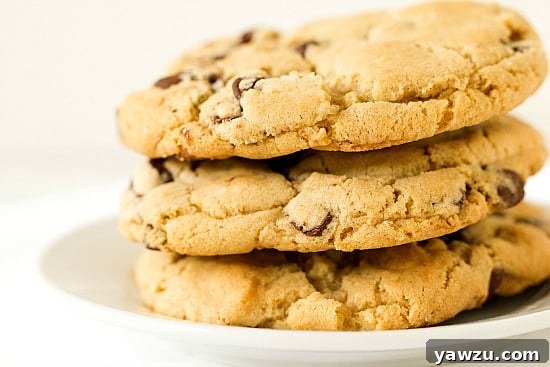
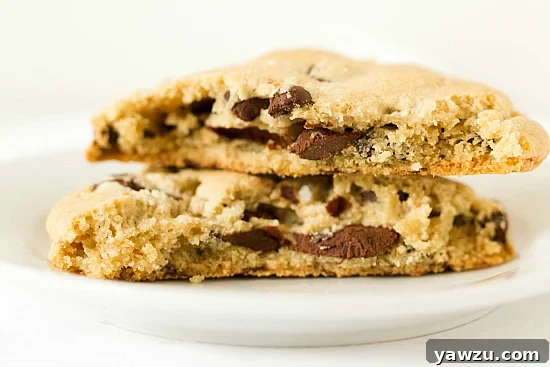
The final product is nothing short of spectacular: enormous, visually stunning cookies, each formed from a substantial 3½ ounces of dough, hand-rolled into a perfect ball and then adorned with a delicate, flaky sprinkle of sea salt before they enter the oven. These aren’t just cookies; they are an artisanal creation, looking as though they’ve emerged directly from the display case of a high-end bakery. And their taste? Even better than their appearance suggests. Prepare to savor a perfectly chewy interior, subtly crisp edges, and intensely flavorful dark chocolate notes, all harmonized by the bright, contrasting pop of sea salt.
The Science of Superiority: Unpacking What Makes These Cookies Exceptional
The widespread acclaim for The New York Times Chocolate Chip Cookies is well-earned, rooted deeply in smart baking science. A deeper dive into each unique component reveals precisely why this recipe consistently delivers such extraordinary results:
The Flour Fusion: Cake Flour Meets Bread Flour
- Cake Flour: Characterized by its lower protein content, cake flour is celebrated for producing incredibly tender and soft baked goods. Its inclusion here creates a delicate, almost crumbly interior that prevents the cookies from becoming dense or tough.
- Bread Flour: In stark contrast, bread flour boasts a higher protein content, which, when hydrated and mixed, forms more gluten. This robust gluten network is the secret to the bread-like chewiness. In these cookies, it provides that desirable, resilient bite that perfectly balances the tenderness contributed by the cake flour. This strategic flour combination ensures a complex texture, hitting all the right notes between soft, tender, and delightfully chewy.
The Irresistible Allure of Dark Chocolate
This recipe urges bakers to bypass the conventional semi-sweet chocolate chips in favor of high-quality dark chocolate, specifically recommending varieties with at least 60% cacao content. The rationale is simple yet profound: dark chocolate offers a more sophisticated, less overtly sweet flavor profile that beautifully complements the rich, buttery dough without overwhelming it. When subjected to the oven’s heat, premium dark chocolate melts into luxurious, molten pockets, creating bursts of deep, complex flavor that elevate the entire cookie experience from pleasant to profoundly memorable. For an even more artisanal touch and superior melt, consider chopping a high-quality dark chocolate bar instead of using pre-formed chips.
The Essential Waiting Game: Extended Dough Chilling
Perhaps the most critical, and often tempting to skip, step in this recipe is the extended refrigeration of the cookie dough for a minimum of 24 hours, and ideally up to 72 hours. This isn’t merely a suggestion; it’s a non-negotiable process that profoundly impacts the final cookie:
- Optimal Hydration: During this prolonged rest, the flour granules have ample time to fully absorb the moisture from the wet ingredients. This complete hydration results in a more uniformly textured dough, which in turn leads to a more consistent and desirable cookie texture upon baking.
- Enhanced Flavor Development: Time is a powerful ingredient. As the dough chills, the flavors meld, deepen, and complexify. The sugars begin to break down, and enzymes in the flour and eggs subtly modify the dough’s chemistry, producing richer caramel notes and a more nuanced, “baked-in” flavor profile that is impossible to achieve with instant baking.
- Controlled Spreading: Chilled dough is significantly firmer than freshly made dough. This firmness is crucial in preventing the cookies from spreading excessively in the oven, ensuring they maintain their impressive thickness and develop those coveted chewy centers and slightly crisp edges.
The Final Flourish: Flaky Sea Salt
The seemingly simple act of sprinkling flaky sea salt over the dough balls before baking is far more than just an aesthetic touch; it’s a flavor enhancer of epic proportions. The salt acts as a brilliant counterpoint to the sweetness of the cookie and the richness of the dark chocolate. It intensifies the inherent flavors, adding a sophisticated contrast that brightens the entire taste experience and leaves a delightful lingering sensation on the palate. This subtle salinity is a hallmark of gourmet baking and should not be omitted.
Mastering the Craft: Expert Tips for Baking Your Perfect NYT Cookies
While the recipe instructions are clear, embracing a few expert techniques can help ensure your New York Times Chocolate Chip Cookies reach their full potential every single time you bake them:
- Precision in Measurement is Paramount: Especially when it comes to flour. Baking is a science, and accuracy matters. Using a digital kitchen scale to measure your flours by weight (ounces or grams) is vastly superior to volume (cups), as cup measurements can vary significantly. Too much flour will result in dry, crumbly cookies, while too little can make them spread excessively.
- Butter at the Right Temperature: Ensure your unsalted butter is genuinely at room temperature – soft enough to leave a slight indentation when gently pressed, but not oily or melted. Properly softened butter creams with sugar effectively, creating air pockets that contribute to the cookie’s tender texture.
- Avoid the Pitfall of Overmixing: Once you incorporate the dry ingredients into the wet mixture, mix only until they are just combined. Overmixing develops excess gluten, which can lead to tough, dense cookies, detracting from that desirable chewiness. A few seconds of mixing on low speed is usually all it takes.
- Invest in Superior Chocolate: The quality of your dark chocolate directly translates to the quality of your cookies. Opt for a brand you genuinely enjoy eating on its own. Whether you choose large chips, chunks, or hand-chop a high-quality bar, better chocolate means a more profound and satisfying chocolate experience.
- Embrace Patience for the Chill: Resist the temptation to shorten or skip the chilling time. This extended refrigeration period is non-negotiable for achieving the signature depth of flavor, perfect texture, and controlled spread of these cookies. Plan your baking schedule accordingly.
- Consistent Portioning for Uniformity: The recipe calls for approximately 3½ ounces of dough per cookie to achieve those impressive, large, bakery-style results. Using a kitchen scale to portion each cookie ensures consistent size and even baking. An extra-large ice cream scoop can also be helpful for consistent volume.
- The Art of Underbaking: These cookies should be removed from the oven when their edges are golden brown but their centers still appear somewhat soft and slightly underbaked. They will continue to cook and firm up on the hot baking sheet. Overbaking is the enemy of chewiness, leading to dry, hard cookies.
- Proper Cooling is Crucial: Immediately after baking, transfer the parchment paper or silicone mat with the hot cookies to a wire rack. Allow them to cool on the baking sheet for about 10 minutes before carefully transferring the individual cookies directly to another wire rack to cool completely. This prevents soggy bottoms and allows for even cooling.
The New York Times Chocolate Chip Cookies Recipe

The New York Times Chocolate Chip Cookies
Yield: 18 cookies
Prep Time: 20 mins
Cook Time: 20 mins
Resting Time: 1 day (minimum), up to 72 hours
Total Time: 40 mins (active time, plus 24-72 hours chilling)
Indulge in these celebrated chocolate chip cookies, famed for their perfect chewy-yet-delicate texture and rich dark chocolate flavor. This recipe, a culinary masterpiece, features a unique flour blend and a crucial, extended dough chilling process that transforms humble ingredients into an extraordinary gourmet treat.
Pin Recipe
Ingredients
- 2 cups (250 g) minus 2 tablespoons cake flour (8½ ounces)
- 1 ⅔ cups (208.33 g) bread flour (8½ ounces)
- 1¼ teaspoons baking soda
- 1½ teaspoons baking powder
- 1½ teaspoons kosher salt
- 1¼ cups (283.75 g) unsalted butter, at room temperature (10 ounces)
- 1¼ cups (275 g) light brown sugar (10 ounces)
- 1 cup (200 g) plus 2 tablespoons granulated sugar (8 ounces)
- 2 large eggs
- 2 teaspoons vanilla extract
- 3 ⅓ cups (600 g) dark chocolate chips or chopped dark chocolate, at least 60% cacao content (20 ounces)
- Flaky sea salt, for sprinkling
Instructions
- In a large bowl, combine the cake flour, bread flour, baking soda, baking powder, and kosher salt. Whisk or sift them together thoroughly to ensure even distribution, then set this dry mixture aside.
- In the bowl of a stand mixer fitted with the paddle attachment (or using a hand mixer), cream together the softened unsalted butter with the light brown sugar and granulated sugar on medium speed. Beat until the mixture is very light, fluffy, and noticeably pale in color, typically taking about 5 minutes. Scrape down the sides of the bowl as needed to ensure everything is well combined.
- Add the large eggs one at a time, beating well after each addition to fully incorporate. Once the eggs are fully mixed in, add the vanilla extract and beat until just combined.
- Reduce the mixer speed to low. Gradually add the reserved dry ingredients to the wet mixture, mixing only until the flours are just incorporated and no streaks of dry flour remain. This step should be quick, around 5 to 10 seconds, to avoid overmixing.
- Remove the bowl from the mixer. Using a sturdy rubber spatula, gently fold in the dark chocolate chips (or chopped chocolate) until they are evenly distributed throughout the dough.
- Transfer the dough to an airtight container or cover the mixing bowl tightly with plastic wrap. Ensure the plastic wrap directly touches the surface of the dough to prevent it from drying out and forming a skin. Refrigerate the dough for a minimum of 24 hours and up to 72 hours. This extended chilling period is crucial for developing the complex flavors and achieving the perfect cookie texture.
- When you are ready to bake, preheat your oven to 350°F (175°C). Line a large baking sheet with parchment paper or a nonstick silicone baking mat.
- Scoop out approximately 3½ ounces (about 100 grams, roughly the size of a large golf ball) of the chilled dough for each cookie. Roll the dough into a rough ball with your hands and place it onto the prepared baking sheet, ensuring ample space (about 3-4 inches) between each cookie (typically 6 cookies per standard baking sheet).
- Lightly sprinkle the top of each dough ball with flaky sea salt before baking.
- Bake for 18 to 20 minutes, or until the edges of the cookies are golden brown but their centers still appear soft, slightly puffy, and somewhat underdone. The cookies will continue to set and firm up as they cool.
- Immediately after removing from the oven, carefully slide the parchment paper or silicone mat with the cookies onto a wire rack. Let them cool on the baking sheet for 10 minutes. This allows them to firm up without sticking.
- After 10 minutes, carefully transfer the cookies directly onto another wire rack to cool completely, or at least until they are just warm.
- Repeat the baking process with the remaining dough. Any unused dough can be kept refrigerated for up to 3 days, allowing you to bake fresh cookies on demand.
- Store leftover baked cookies in an airtight container at room temperature for up to 3 days for optimal freshness and texture.
Notes
Nutritional values provided are an estimation based on one cookie. For the best results, it is highly recommended to strictly adhere to the chilling time and to use high-quality ingredients as specified. The quality of your butter and chocolate will significantly impact the final flavor.
Nutritional Information (per cookie)
- Calories: 494 kcal
- Carbohydrates: 63 g
- Protein: 6 g
- Fat: 24 g
- Saturated Fat: 17 g
- Cholesterol: 52 mg
- Sodium: 383 mg
- Potassium: 300 mg
- Fiber: 1 g
- Sugar: 37 g
- Vitamin A: 425 IU
- Vitamin C: 0.2 mg
- Calcium: 138 mg
- Iron: 0.9 mg
Did you make this recipe?
We absolutely love seeing your culinary creations! If you tried this iconic recipe, please consider leaving a review below to share your experience. Don’t forget to snap a picture and tag @thebrowneyedbaker on Instagram so we can admire your delicious New York Times Chocolate Chip Cookies!
Author: Michelle Lettrich
Course: Snack, Dessert
Cuisine: American