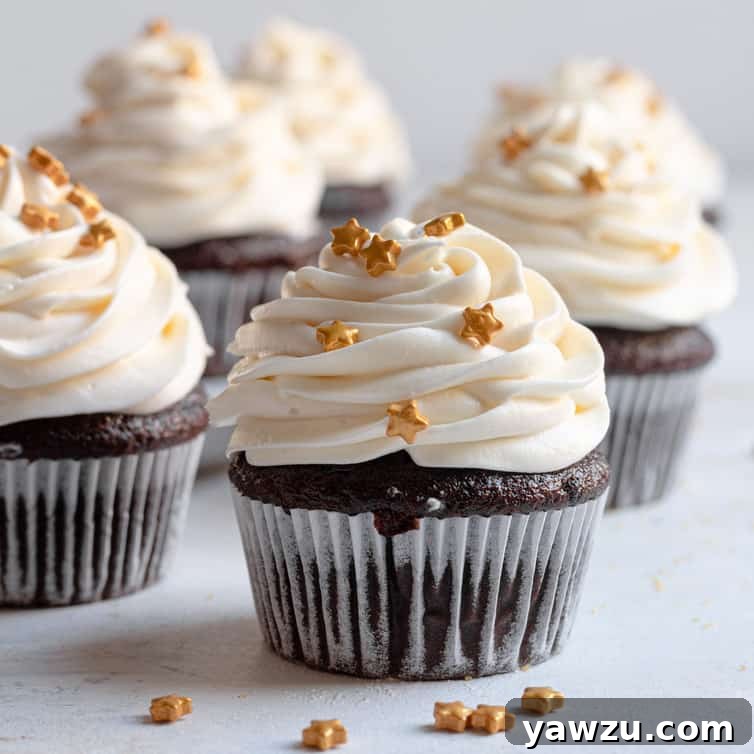
Welcome to the ultimate guide for creating the most exquisite cream cheese frosting! Forget everything you thought you knew about runny, overly sweet, or bland frostings. This recipe delivers a consistently thick, lusciously smooth, and perfectly pipeable cream cheese frosting that strikes an ideal balance between sweet and tangy. You’ll be amazed at how quickly and effortlessly you can whip up this essential dessert topping with just a few simple ingredients. Prepare for this to become your new go-to frosting recipe, elevating every cake, cupcake, or dessert it graces.
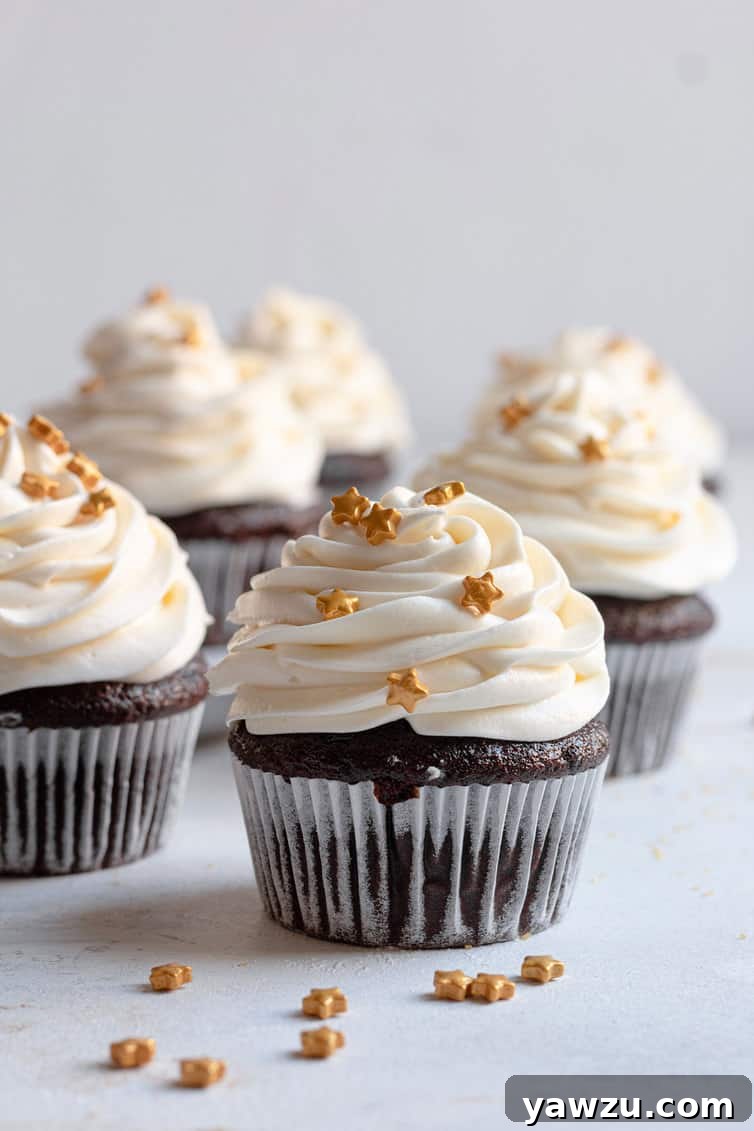
In the culinary world, I’ve observed that people generally fall into two distinct categories when it comes to desserts:
1. Those who genuinely appreciate the subtle nuances and textures of cake itself, savoring each crumb.
2. Those who approach cake as merely a delicious vehicle, an exciting excuse to indulge in generous dollops of spectacular frosting.
I proudly belong to the latter camp. While a plain cake might not always pique my interest, present me with a dessert adorned with an exceptional frosting, and I’ll happily dive in, spoon-first. This preference becomes even more pronounced when the frosting in question is a truly well-made cream cheese frosting – a culinary masterpiece when perfected.
Unfortunately, cream cheese frosting often gets a bad rap, and for good reason. Many home bakers and even some professionals struggle to achieve that coveted perfect consistency. It can frequently turn out disappointingly runny, too loose to hold its shape for piping delicate designs on cupcakes, or conversely, become cloyingly sweet from an excess of powdered sugar added in a desperate attempt to thicken it. These common pitfalls can lead to frustration, wasted ingredients, and ultimately, a less-than-ideal dessert experience that dampens the joy of baking.
But fear not, because this particular cream cheese frosting recipe shatters those stereotypes! It embodies the very essence of what a truly perfect cream cheese frosting should be – a standard often sought after but rarely achieved. This frosting is remarkably thick, incredibly luscious, and wonderfully smooth. It maintains its structural integrity beautifully, making it ideal for piping intricate decorations or simply spreading generously over cakes. Most importantly, it achieves a sublime equilibrium between the rich sweetness and the characteristic tangy bite of cream cheese, ensuring a balanced and utterly irresistible flavor profile that will have everyone asking for your secret. Prepare to elevate your baking game and impress even the most discerning dessert lovers with this no-fail, velvety smooth cream cheese frosting.
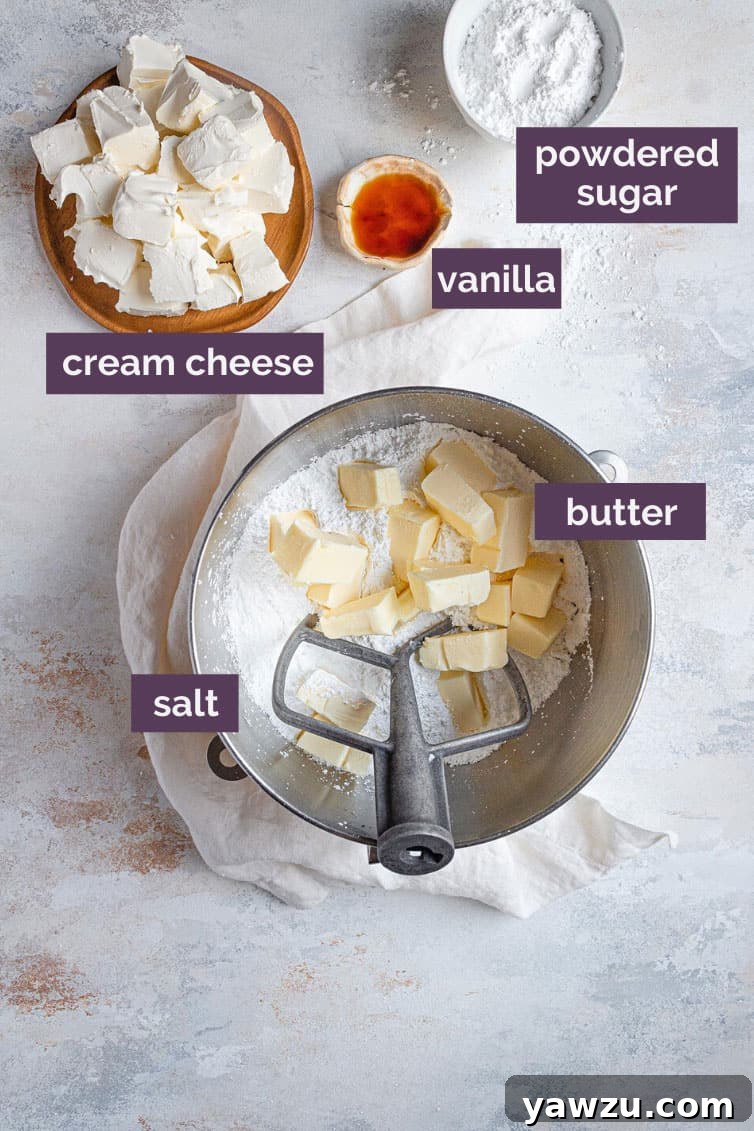
Five Simple Ingredients for the Best Cream Cheese Frosting!
Creating this dream-like, perfectly pipeable cream cheese frosting requires only a handful of readily available ingredients. The key to its success lies not just in their presence, but in their quality, precise measurements, and how they are handled. Each ingredient plays a crucial role in achieving the ideal flavor and texture. Here’s a closer look at what you’ll need to gather:
- Unsalted Butter (at room temperature): Using unsalted butter is crucial as it gives you complete control over the salt content of your frosting. You can adjust the amount of added salt to perfectly complement the sweetness and tang. Ensure your butter is at true room temperature – it should be soft enough to indent with a finger but still firm enough to hold its shape, not melted or greasy. Butter that is too cold will result in a lumpy frosting, while butter that is too warm will create a soupy, unstable mixture.
- Powdered Sugar (Confectioners’ Sugar): This finely milled sugar dissolves effortlessly into the butter and cream cheese mixture, ensuring a smooth, lump-free frosting every time. Granulated sugar, with its larger crystals, will result in a gritty texture that is undesirable in frosting, so powdered sugar is non-negotiable for that velvety finish. Sifting the powdered sugar beforehand can help prevent any stubborn clumps.
- Vanilla Extract: A good quality pure vanilla extract is essential for mellowing out the distinctive tang of the cream cheese, adding depth, warmth, and a classic comforting aroma to the overall flavor profile. It provides that familiar, inviting taste that makes cream cheese frosting so universally loved and irresistible. Feel free to use clear vanilla extract if you desire a bright white frosting.
- Salt: Do not skip the salt! A touch of fine sea salt is vital in almost any sweet recipe as it balances flavors and cuts through the intense sweetness of the powdered sugar, preventing the frosting from becoming cloying or one-dimensional. It acts as a flavor enhancer, making all the other ingredients pop and creating a more complex taste experience.
- Full-Fat Cream Cheese (chilled and cubed): This is the star of the show and perhaps the most critical ingredient for texture. Always opt for full-fat, block-style cream cheese. Low-fat or spreadable cream cheese contains a significantly higher water content, which will inevitably lead to a runny, unstable, and ultimately disappointing frosting. It’s also crucial to use it straight from the refrigerator and cut it into smaller, approximately 1-inch pieces. Keeping it cold helps it emulsify correctly with the creamed butter and powdered sugar without over-softening the butter or over-mixing the cream cheese itself, both of which can introduce too much air or break down its structure, compromising the frosting’s stability and consistency.
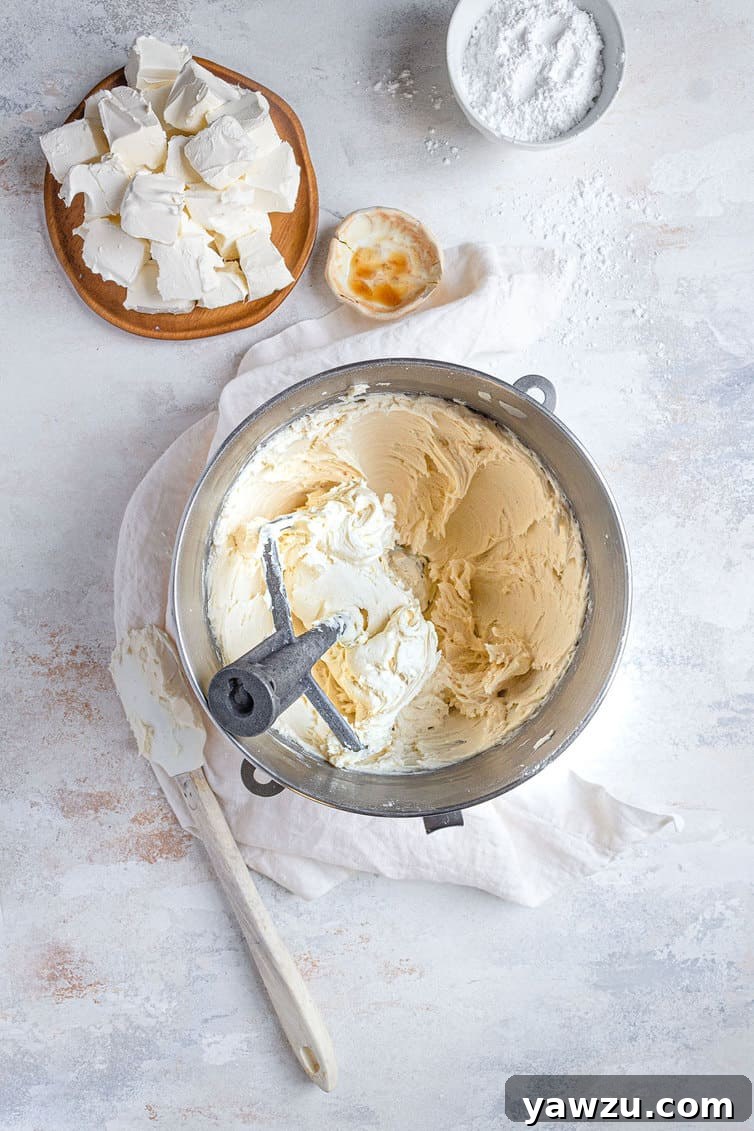
How to Make the Perfect Cream Cheese Frosting: A Step-by-Step Guide
Achieving that coveted thick, luscious, and perfectly pipeable cream cheese frosting is simpler than you might think, provided you follow these precise steps and heed the advice on ingredient temperature. Paying attention to these details will ensure a consistently perfect result every time, making your homemade cream cheese frosting legendary:
- Prepare Your Butter: Begin by placing your properly softened unsalted butter into the bowl of your stand mixer fitted with the paddle attachment. If you’re using an electric hand mixer, a large mixing bowl will suffice. Remember, the butter should be soft enough to easily press an indentation with your finger, but still firm enough to hold its original shape, indicating it’s at true room temperature. This is vital for proper creaming.
- Prepare Your Cream Cheese: While the butter is ready, take your full-fat block cream cheese directly from the refrigerator. Using a sharp knife, cut it into approximately 1-inch cubes or smaller pieces. It’s imperative that the cream cheese remains cold at this stage. Cold cream cheese will help stabilize the frosting and prevent it from becoming runny, as it emulsifies better with the creamed butter and powdered sugar without breaking down too quickly from excessive mixing.
- Combine Initial Ingredients: To the mixer bowl containing the softened butter, add all of the powdered sugar, the vanilla extract, and the salt. Start beating on the lowest speed possible. This gentle initial mix is crucial to prevent a cloud of powdered sugar from erupting and making a mess in your kitchen. Continue mixing on low speed until all the dry and wet ingredients are fully combined and the mixture appears smooth and lump-free.
- Cream the Mixture Thoroughly: Once the ingredients are initially combined, increase the mixer speed to low-medium and continue beating for a full 2 minutes. This step is where the butter and sugar truly cream together, incorporating air and creating a light, fluffy base. During this mixing time, periodically stop the mixer and use a sturdy rubber spatula to thoroughly scrape down the sides and bottom of the bowl. This ensures that all ingredients are fully incorporated and that no pockets of unmixed sugar or butter remain, guaranteeing a uniform texture. The mixture should become noticeably lighter in color and fluffier.
- Incorporate the Cold Cream Cheese: Now for the final, delicate step. With the mixer still running on medium-low speed, begin adding the cold, cubed cream cheese, one piece at a time. Add a piece, let it fully incorporate into the butter-sugar mixture, then add the next. Continue this process until all of the cream cheese has been added. The frosting should come together relatively quickly, becoming thick, incredibly smooth, and completely free of lumps. It is absolutely critical to avoid over-mixing once the cream cheese is added, as this is the most common culprit for a runny frosting. Mix just until the cream cheese is perfectly blended and the frosting is smooth and cohesive.
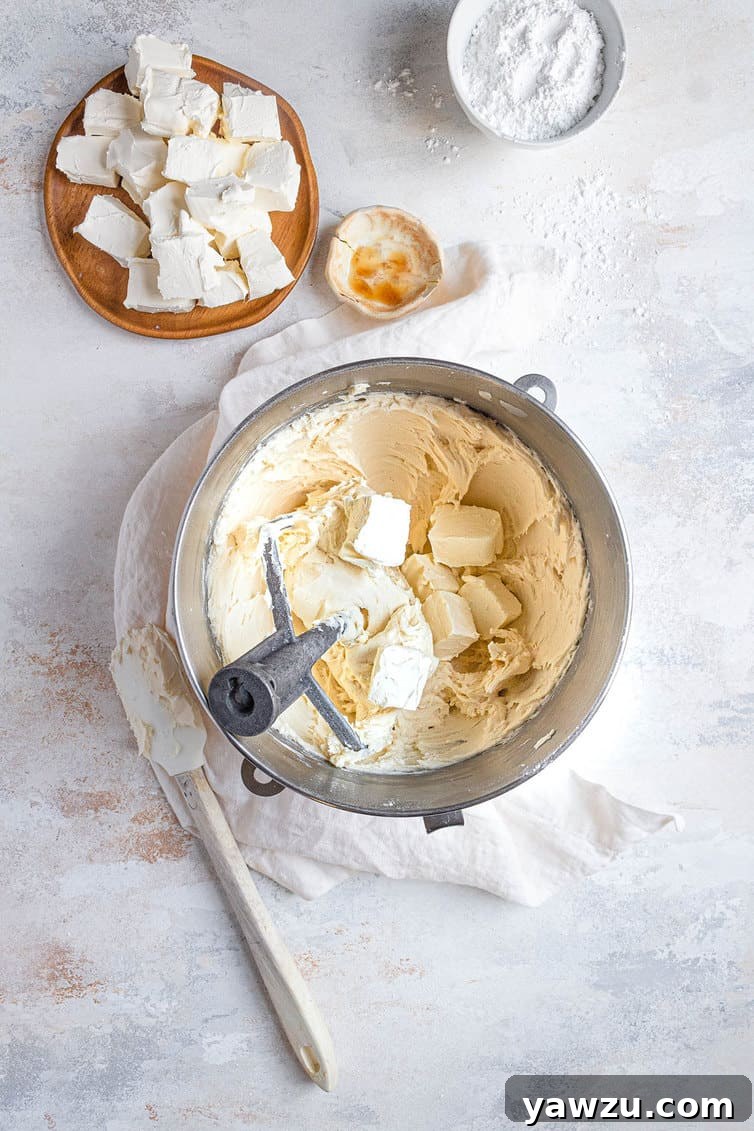
Expert Tips and Tricks for Flawless Cream Cheese Frosting
Even with a straightforward and reliable recipe, a few insider tips and solutions to common dilemmas can make all the difference in achieving consistently perfect cream cheese frosting. Here are answers to frequently asked questions and essential advice to ensure your frosting is always a success:
What if I forgot to take my butter out to soften? Can I soften butter in the microwave?
Yes, you can carefully soften butter in the microwave, but it requires precision and vigilance. Over-softened or, worse yet, melted butter will lead to a greasy, runny frosting that won’t whip up correctly and will likely separate. To avoid this common pitfall, place the cold butter on a microwave-safe plate and microwave it for 15 seconds at 30 percent power. Check its consistency – it should be slightly pliable. If not, repeat for another 10-15 seconds at 30% power, stopping when the butter is still somewhat firm but easily indented. Alternatively, you can cut cold butter into small cubes and let it sit on the counter for 15-20 minutes, or submerge the wrapped butter in warm (not hot) water for 10-15 minutes.
Can I make this cream cheese frosting recipe ahead of time?
Absolutely! This cream cheese frosting recipe is incredibly versatile and can be prepared up to five days in advance without any loss of quality. Simply store the finished frosting in an airtight container or, even better, sealed piping bags, in the refrigerator. When you’re ready to use it, allow the frosting to come to cool room temperature for about 30-60 minutes. It will firm up considerably when chilled. Once it’s softened slightly but still cool, give it a vigorous stir with a rubber spatula or beat it briefly on low speed with an electric mixer to restore its smooth, creamy, and pipeable texture before icing your cakes or cupcakes.
Does cream cheese buttercream frosting need to be refrigerated?
Given its dairy content, yes, cream cheese frosting generally requires refrigeration to maintain freshness and ensure food safety. While frosted cakes or cupcakes can typically sit safely on the counter for a few hours (especially in a cool environment, ideally below 70°F or 21°C), for longer storage or to prevent spoilage, they should be refrigerated. If you plan to enjoy your baked goods over several days, storing them in the refrigerator is essential. You can serve them straight from the fridge if you prefer a firmer frosting, or allow them to sit at room temperature for about an hour before serving to achieve a softer, more luxurious, and melt-in-your-mouth texture.
Troubleshooting Common Cream Cheese Frosting Problems:
Even with the best intentions, sometimes things don’t go exactly as planned. Here’s how to tackle the most common issues:
- My frosting is too runny: This is the most frequent complaint and is usually due to over-softened butter, using low-fat cream cheese, or over-mixing once the cream cheese has been added. If it’s slightly runny, try refrigerating the frosting for 20-30 minutes, then re-whipping it on low speed for just a minute. If the problem persists, you may need to add a small amount of additional sifted powdered sugar, 1-2 tablespoons at a time, mixing just until it thickens to the desired consistency.
- My frosting is too thick or stiff: If your frosting seems overly stiff or difficult to spread and pipe, you can easily thin it out. Add a very small amount of milk or heavy cream, starting with about a teaspoon at a time, until the desired consistency is reached. Mix well on low speed after each addition to fully incorporate the liquid.
- My frosting is lumpy: Lumps usually indicate that either the butter was too cold to cream properly with the sugar, or the cream cheese wasn’t thoroughly mixed in (perhaps it wasn’t cut into small enough pieces or was too cold initially). Ensure your powdered sugar is sifted if it’s prone to clumping. To fix existing lumps, continue mixing on low speed, scraping the bowl frequently, until smooth. For stubborn cream cheese lumps, try pressing them against the side of the bowl with your spatula.
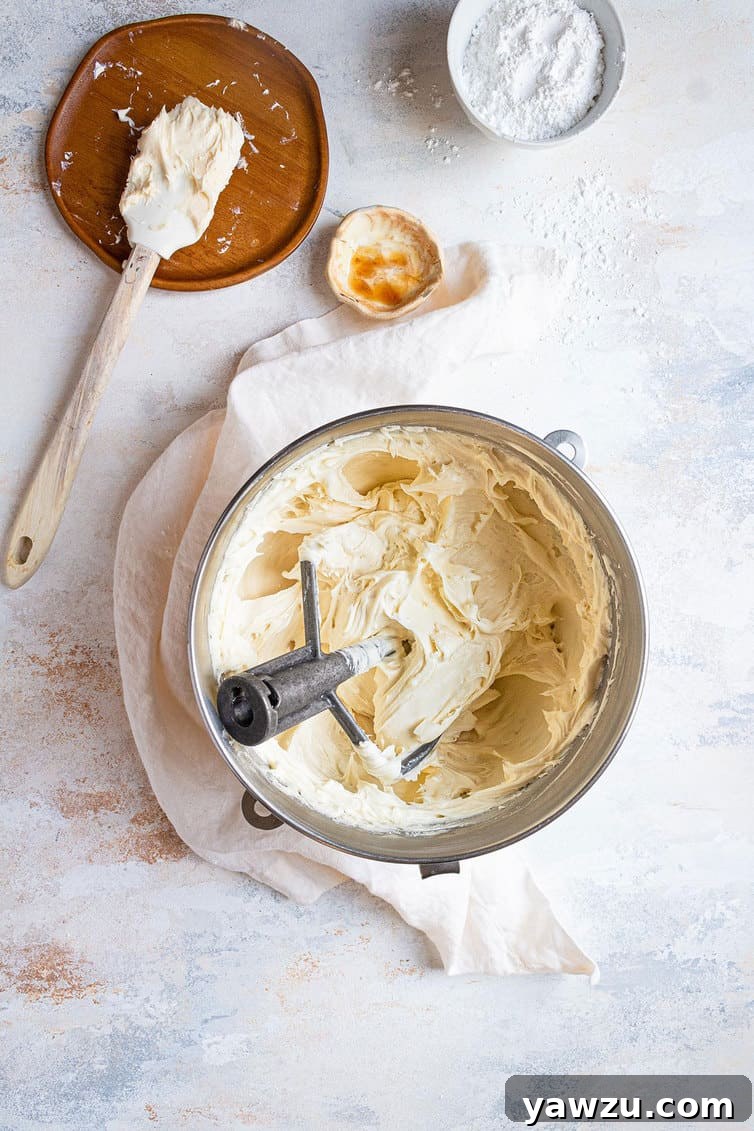
Where To Use This Incredible Cream Cheese Frosting? The Possibilities Are Endless!
While this best cream cheese frosting recipe is a classic pairing for certain desserts, don’t limit your imagination! This versatile and unbelievably tasty cream cheese frosting can elevate almost any sweet treat, transforming it into something truly special. Its tangy sweetness and smooth texture make it an ideal complement to a wide range of flavors. Here are some fantastic ideas to get you started, but truly, the answer is anything and everything you desire!
- Hummingbird Cake: The tropical notes of pineapple and banana in a moist hummingbird cake are exquisitely complemented by the tangy sweetness of this rich cream cheese frosting, creating a harmonious flavor profile.
- Carrot Cake: This is arguably the most iconic pairing. The warm spices, shredded carrots, and moist texture of carrot cake find their perfect balance and contrast with a generous, thick layer of this homemade cream cheese frosting.
- Banana-Chocolate Chip Snack Cake: A delightful combination where the natural sweetness of banana and the rich decadence of chocolate chips are beautifully enhanced by the creamy tang of the frosting.
- Red Velvet Poke Cake: The subtle cocoa, hint of tang, and vibrant red hue of a red velvet cake find their ideal partner in this classic frosting, completing the signature flavor.
- Chocolate Cupcakes: Move beyond traditional vanilla buttercream; the creaminess and tangy notes of cream cheese frosting provide a refreshing and delicious contrast to rich, dark chocolate cupcakes.
- Red Velvet Cupcakes: An absolute essential for these beloved cupcakes, offering that signature sweet and tangy finish that defines red velvet.
- Apple Cupcakes: The comforting autumnal flavors of apple and warm cinnamon are beautifully uplifted and tied together by this rich, smooth frosting.
- Pumpkin Cupcakes: A match made in heaven for the fall season, the robust spices in pumpkin are perfectly complemented by the creamy, slightly tart frosting.
- Brownies or Blondies: A thick or thin layer of this cream cheese frosting can transform a simple pan of brownies or blondies into a gourmet dessert, adding a delightful complexity.
- Cookies: Use it as a luscious filling for sandwich cookies, a delightful swirl on top of soft sugar cookies, or even a generous dollop on oatmeal cookies.
- Fruit Dip: Yes, really! Lighten it slightly with a touch of milk or heavy cream and serve with fresh berries, sliced apples, or even graham crackers for an unexpected and utterly delicious treat.
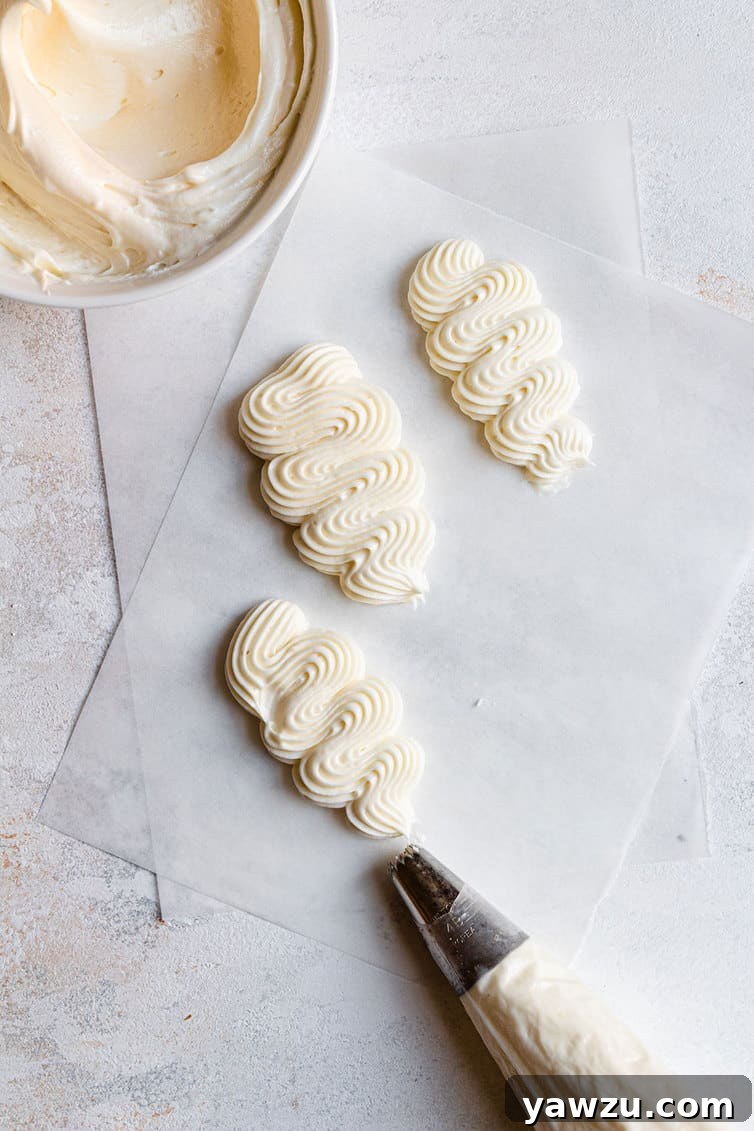
If you create this recipe and fall in love with its irresistible taste and perfect texture, please take a moment to leave a rating below. Your feedback means the world to us and helps other bakers discover this incredible recipe! Thank you for choosing this recipe and happy baking!
Cream Cheese Frosting
24 cupcakes
10 mins
10 mins
This perfectly balanced cream cheese frosting offers a tangy alternative to vanilla buttercream. With just a few simple ingredients and about 10 minutes, you can create a thick, luscious, and pipeable frosting that will elevate any dessert.
Pin Recipe
Ingredients
- 1 cup unsalted butter, at room temperature
- 4 cups powdered sugar, sifted if clumpy
- 2 teaspoons vanilla extract
- ½ teaspoon salt
- 16 ounces full-fat cream cheese, chilled and cut into 16 pieces
Instructions
- Using an electric mixer (stand mixer with paddle attachment or hand mixer), combine the softened butter, powdered sugar, vanilla extract, and salt. Beat on low speed until all ingredients are fully combined and the mixture is smooth, scraping down the bowl as needed.
- Increase the mixer speed to low-medium and continue beating for an additional 2 minutes, ensuring the mixture becomes light and fluffy. Scrape down the bowl thoroughly to incorporate everything.
- With the mixer still running on medium-low speed, add the cold, cubed cream cheese one piece at a time. Allow each piece to fully incorporate before adding the next. Mix until the frosting is completely smooth, thick, and free of lumps. Avoid over-mixing.
Notes
- Butter: For best results and flavor control, use unsalted butter. If using salted butter, omit the ½ teaspoon of added salt from the recipe.
- Cream Cheese: It is crucial to use full-fat, block-style cream cheese. Do not use low-fat or spreadable cream cheese, as these contain more water and will result in a runny, unstable frosting. Keep the cream cheese cold and cut it into pieces for easier blending.
- Yield: This generous recipe yields enough frosting to beautifully frost 24 standard cupcakes, fill and frost an 8-inch or 9-inch layer cake, or provide a decadent layer on a 9×13-inch sheet cake.
- Storage: Desserts frosted with cream cheese should be stored in the refrigerator for optimal freshness and food safety. While they can sit at room temperature for a couple of hours in a cool environment, longer storage requires refrigeration. You can serve them cold, or allow them to sit at room temperature for about an hour before serving to soften the frosting.
- Make-Ahead: Prepare the cream cheese frosting up to 5 days in advance and store it in an airtight container in the refrigerator. Before using, let it come to cool room temperature for 30-60 minutes, then stir vigorously with a rubber spatula or re-whip briefly on low speed until smooth and pliable.
- Freezer Option: This frosting freezes wonderfully! Store it in an airtight, freezer-safe container for up to 3 months. Thaw it overnight in the refrigerator, then follow the “Make-Ahead” instructions for bringing it to room temperature and re-whipping before use.
Recipe adapted from a trusted culinary source.
Nutrition Information
Calories: 211kcal, Carbohydrates: 21g, Protein: 1g, Fat: 14g, Saturated Fat: 9g, Cholesterol: 41mg, Sodium: 111mg, Potassium: 28mg, Sugar: 20g, Vitamin A: 490IU, Calcium: 21mg, Iron: 1mg
Did you make this recipe?
Leave a review below, then snap a picture and tag @thebrowneyedbaker on Instagram so I can see it!
Michelle Lettrich
Dessert
American
[Photography by Dee of One Sarcastic Baker]