Mastering the Art of Perfect Scrambled Eggs: A Fluffy, Moist, and Delicious Recipe
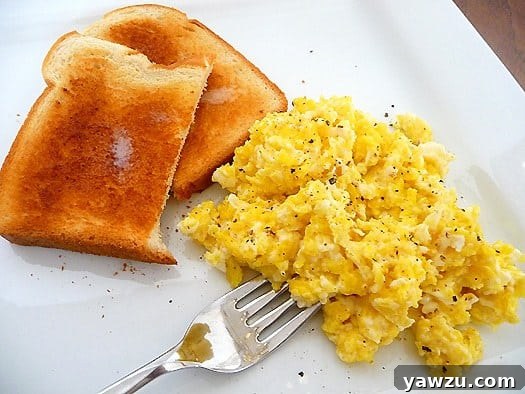
Scrambled eggs are undeniably a breakfast icon, a staple that graces tables worldwide. Yet, despite their apparent simplicity, achieving that elusive perfect texture – fluffy, moist, and utterly delicious – can be surprisingly challenging. We’ve all experienced the disappointment of rubbery, dry, or even watery scrambled eggs. They’re rarely inedible, but they certainly don’t deliver the joyous breakfast experience we crave.
This comprehensive guide and recipe are dedicated to transforming your scrambled egg game. We’ll unveil a few “secret” methods that, when combined, promise to elevate your breakfast to an unparalleled level. Say goodbye to mediocre eggs and prepare to master a technique that will make your weekend brunches, or even a quick weekday meal, infinitely more satisfying. Once you taste truly perfect scrambled eggs, there will be no turning back. So, what are you waiting for? Grab some eggs and let’s embark on this culinary journey!
The Universal Appeal of Scrambled Eggs
Scrambled eggs hold a special place in the culinary world, cherished for their versatility, speed, and nutritional value. They are a go-to for busy mornings, a comforting dish on lazy weekends, and a foundational element in countless breakfast and brunch creations. Their mild flavor makes them an excellent canvas for various seasonings and additions, adaptable to almost any palate or dietary preference. Whether you prefer them plain, with cheese, or loaded with vegetables, the core technique for a perfect scramble remains paramount.
Unlocking the Secrets to Fluffy and Moist Scrambled Eggs
The quest for the ideal scrambled egg often feels like a culinary holy grail. Many believe it’s all about what you add to the eggs, but the real magic lies in the technique. The “secrets” we’ll explore here focus on temperature control, specific stirring methods, and a unique finishing touch that locks in moisture and creates an incredibly tender, custardy texture. Forget everything you thought you knew about aggressively whisking eggs in a bowl or high-heat cooking. Our approach prioritizes patience and precision, ensuring every bite is a revelation.
Choosing the Right Pan and Preparing Your Workspace
The equipment you use plays a significant role in the outcome of your scrambled eggs. While a good non-stick skillet is often the go-to for egg dishes due to its inherent ease, you can absolutely achieve fantastic results with a stainless steel pan. The key with stainless steel is proper preheating, which creates a better non-stick surface.
Non-Stick Skillet vs. Stainless Steel
- Non-Stick Skillet: Ideal for beginners or those seeking maximum convenience. The non-stick coating prevents eggs from adhering, making cleanup a breeze and ensuring consistently smooth, fluffy curds.
- Stainless Steel Skillet: A durable and versatile option for experienced cooks. The trick to using stainless steel effectively for eggs is to heat the pan first before adding any butter or oil. Heat the empty pan over medium-low heat until a drop of water dances and evaporates quickly (this is the Leidenfrost effect, indicating the pan is hot enough). Once at temperature, add your fat (butter or oil), let it melt or heat up, and then add your eggs. This method can be applied to almost anything you cook in stainless steel, not just eggs, to prevent sticking.
Regardless of your pan choice, ensure it’s clean and free from any residue that could interfere with the cooking process. Having a wooden spoon or a heat-resistant rubber spatula ready is also crucial for the stirring technique we’ll employ.
The Essential Ingredients for Your Perfect Scramble
While technique is paramount, the quality of your ingredients undeniably contributes to the final flavor and texture. For perfect scrambled eggs, you only need a few simple components:
- Eggs: Fresh, large eggs are typically recommended. The fresher the eggs, the better the flavor and texture. Aim for organic or free-range eggs for superior taste.
- Butter: High-quality unsalted butter adds rich flavor and helps prevent sticking. It’s crucial for achieving a beautiful, golden hue and a luxurious mouthfeel.
- Milk (or Cream): This is one of our “secret” ingredients, added at a specific stage to ensure maximum moisture and fluffiness. While some recipes call for milk or water at the start, our method incorporates it at the very end to achieve a creamy, tender finish without diluting the egg flavor. Heavy cream can also be used for an even richer result.
- Salt & Pepper: Simple seasoning is best. Freshly ground black pepper and a good quality sea salt or kosher salt enhance the natural flavors of the eggs without overpowering them.
Step-by-Step Guide to Crafting Perfect Scrambled Eggs
Follow these precise steps to achieve perfectly fluffy, moist, and flavorful scrambled eggs every time. Patience and attention to detail are your best allies here.
- Prepare Your Skillet: Place your non-stick or properly seasoned stainless steel skillet over medium-low heat. This low and slow approach is critical; rushing your eggs on high heat is the quickest way to end up with rubbery results. Think of the tortoise and the hare – slow and steady truly wins the race when it comes to eggs.
- Melt the Butter: Once the skillet is gently warm, add about a teaspoon of butter. Allow it to melt completely, coating the bottom of the pan evenly. The butter should be sizzling gently, not browning or smoking.
- Add Eggs Directly: This is where we deviate from convention! Break the eggs directly into the pan. You heard that right – no pre-whisking in a bowl. This method allows for greater control over the curd formation and a more varied, appealing texture.
- Season Immediately: Season the eggs generously with salt and freshly ground black pepper directly in the pan. This allows the seasoning to integrate thoroughly as they cook.
- Begin the Gentle Scramble: Using a wooden spoon or heat-resistant rubber spatula, begin to continually stir the eggs. Gently scrape the bottom and sides of the pan, pushing the cooked egg towards the center and allowing the uncooked egg to flow underneath. Keep the motion continuous and deliberate, breaking the forming curds into small, tender pieces. The goal is small, soft curds, not large, solid chunks.
- The Milk Finish: When the eggs are about 80-90% cooked – still quite wet and shiny, but forming soft curds – add the Tablespoon of milk (or cream). Continue to gently stir the eggs just until the milk is absorbed and the eggs reach your desired consistency. This final touch of milk stops the cooking process, adds crucial moisture, and ensures an incredibly creamy, luxurious texture.
- Serve and Enjoy: Immediately turn off the heat. Transfer the eggs to a plate and serve without delay. Residual heat in the pan can continue to cook the eggs, leading to overcooked dryness. Taste and season with additional salt and pepper, or any preferred garnish, if desired.
Expert Tips for Scrambled Egg Perfection
Beyond the steps, a few additional insights can ensure your scrambled eggs are consistently flawless:
- Patience with Heat: Resist the urge to crank up the heat. Medium-low is truly the sweet spot for tender eggs.
- Don’t Overcook: This is the most common mistake. Scrambled eggs should be removed from the heat when they are still slightly wet and glossy. They will continue to cook slightly from residual heat on the plate.
- Continuous Movement: The constant, gentle stirring helps create small, soft curds and ensures even cooking.
- Avoid Overcrowding: If making a larger batch, consider cooking in two smaller batches to ensure even heat distribution and proper scrambling.
- Freshness Matters: While technique is key, fresh, high-quality eggs will always yield superior flavor.
- Optional Additions: Consider folding in a tablespoon of grated cheese (cheddar, Gruyere, feta) during the last minute of cooking for an extra layer of flavor. Fresh herbs like chives or parsley can be stirred in just before serving.
Variations and Delicious Serving Suggestions
Once you’ve mastered the basic technique, feel free to experiment with variations and serving styles to keep your breakfast exciting.
Popular Scrambled Egg Variations:
- Cheesy Scramble: Stir in a handful of your favorite grated cheese (cheddar, mozzarella, Gruyere, goat cheese, feta) during the last minute of cooking. The melting cheese adds richness and flavor.
- Herb-Infused Eggs: Fresh chives, parsley, dill, or a mix of fines herbes can be finely chopped and stirred into the eggs just before serving for a vibrant, aromatic touch.
- Veggie Scramble: Sauté finely diced vegetables like spinach, mushrooms, bell peppers, onions, or tomatoes before adding the eggs. Cook until tender, then proceed with the egg steps.
- Spicy Scramble: Add a pinch of red pepper flakes, a dash of hot sauce, or finely diced jalapeños for a kick.
Serving Suggestions:
- Classic Toast: Serve alongside buttered toast or a toasted English muffin.
- Avocado Toast: A popular and healthy option, piled high on avocado toast.
- Breakfast Sides: Pair with crispy bacon, savory sausage, or grilled ham.
- Breakfast Burritos/Tacos: Wrap your scrambled eggs with salsa, cheese, and beans in a warm tortilla.
- Pancakes or Waffles: Create a full breakfast spread by serving them alongside sweet pancakes or waffles.
- Smoked Salmon: A luxurious pairing, especially with a sprinkle of fresh dill.
The Nutritional Powerhouse: Benefits of Eggs
Beyond being incredibly delicious, eggs are also a nutritional powerhouse, offering a wide array of health benefits that make them an excellent addition to any diet.
- High-Quality Protein: Eggs are an excellent source of complete protein, containing all nine essential amino acids necessary for muscle repair, growth, and overall body function.
- Rich in Vitamins: They are packed with essential vitamins, including Vitamin D (important for bone health and immunity), Vitamin B12 (crucial for nerve function and energy), Vitamin B6, Vitamin E, and Vitamin K.
- Mineral Content: Eggs provide important minerals such as iron (for oxygen transport), zinc (for immune function), and selenium (an antioxidant).
- Choline for Brain Health: Eggs are one of the best dietary sources of choline, a vital nutrient for brain development, memory, and liver function.
- Eye Health: They contain lutein and zeaxanthin, powerful antioxidants that accumulate in the retina and protect against age-related macular degeneration and cataracts.
- Heart Health (in Moderation): While eggs were once demonized for their cholesterol content, modern research suggests that for most healthy individuals, dietary cholesterol has a minimal impact on blood cholesterol levels. Eggs can be part of a heart-healthy diet when consumed in moderation.
Incorporating eggs into your diet, especially when prepared healthily like our perfect scrambled eggs, is a simple and delicious way to boost your nutrient intake.
Frequently Asked Questions About Scrambled Eggs
What is the best temperature for cooking scrambled eggs?
The ideal temperature for scrambled eggs is medium-low. This allows the eggs to cook gently and evenly, preventing them from becoming rubbery or dry. High heat cooks the eggs too quickly on the outside while leaving the inside raw, leading to an inconsistent and undesirable texture.
Should I add water or milk to scrambled eggs?
Our recipe recommends adding a tablespoon of milk (or cream) at the very end of the cooking process. Adding milk at this stage helps to stop the cooking, adds moisture, and creates a creamy, tender texture. While some people add a splash of water for fluffiness through steam, milk or cream offers a richer, more luxurious mouthfeel.
How do I prevent rubbery scrambled eggs?
Preventing rubbery eggs boils down to three main points: using medium-low heat, constant gentle stirring, and most importantly, not overcooking them. Remove the eggs from the heat when they are still slightly wet and glistening, as they will continue to cook with residual heat.
Can I make scrambled eggs ahead of time?
Scrambled eggs are best enjoyed immediately after cooking for optimal texture and flavor. Reheating them often results in a drier, more rubbery consistency. If you must prepare them ahead, undercook them slightly and gently reheat them on very low heat in a skillet, stirring constantly, adding a tiny splash of milk or butter to help re-moisten.
What’s the difference between soft scramble and hard scramble?
The difference lies in the cooking time and final texture. A “soft scramble” is cooked until just set, remaining very moist, creamy, and often slightly custardy. A “hard scramble” is cooked until all the liquid is evaporated and the eggs are fully set, resulting in firmer, drier curds. Our recipe aims for a perfect soft to medium scramble, ensuring moisture and tenderness.
Conclusion: Embrace Your Inner Egg Master
Perfect scrambled eggs are not just a dish; they’re an experience. By understanding the importance of low heat, continuous gentle stirring, and that final touch of milk, you’re now equipped to transform your breakfast routine. This simple recipe, once mastered, will bring consistent joy to your mornings and impress anyone lucky enough to share your table. So, go ahead, crack those eggs, and enjoy the journey to becoming a true scrambled egg maestro!
Recipe: Perfect Scrambled Eggs
Make the perfect scrambled eggs with this easy-to-follow recipe!
Rated 5 out of 5 stars by 1 user.
Recipe Details
- Yield: 1 to 2 servings
- Prep Time: 5 minutes
- Cook Time: 5 minutes
- Total Time: 10 minutes
Ingredients
- 1 teaspoon butter
- 3 large eggs
- 1 Tablespoon milk
- Salt & pepper, to taste
Instructions
- Heat skillet over medium-low heat. Slow and steady wins the race when it comes to scrambled eggs. Remember the story of the tortoise and the hare? The same holds true here. Don’t rush your eggs and you will be rewarded.
- Add about a teaspoon of butter to the skillet and let melt.
- Break the eggs directly into the pan. I know this flies in the face of what most know when it comes to scrambled eggs, but trust me!
- Season with salt and pepper.
- Using a wooden spoon or a heat-resistant rubber spatula, continually stir the eggs, gently scraping the bottom of the pan to form soft curds.
- When the eggs are almost done but still on the wet side, add the Tablespoon of milk and continue to stir the eggs just until the milk is absorbed and the eggs reach your desired creaminess.
- Turn off the heat, serve the eggs immediately, and season with additional salt and pepper, if desired.
Nutrition Information (per serving)
Calories: 233kcal,
Carbohydrates: 1g,
Protein: 17g,
Fat: 17g,
Saturated Fat: 6g,
Cholesterol: 503mg,
Sodium: 258mg,
Potassium: 182mg,
Sugar: 1g,
Vitamin A: 840IU,
Calcium: 91mg,
Iron: 2.3mg
Did you make this recipe?
We’d love to hear from you! Share your experience and consider tagging @thebrowneyedbaker on Instagram so we can see your delicious creation!
Author: Michelle Lettrich
Course: Main Course
Cuisine: American