

There’s an undeniable magic to pizza. The mere mention of the word in our home instantly ignites a culinary quest that typically culminates in a cheesy, delicious pie gracing our table within the hour. It’s more than just a meal; it’s a call to action, a craving impossible to ignore once it takes hold. From the indulgent depths of Chicago-style deep dish to robust thick crusts, artisanal coal-fired or wood-fired creations, and even convenient delivery options, my love for pizza knows no bounds. Yet, there’s a special place in my heart for a perfectly crafted homemade version. For years, my go-to has been a reliable basic pizza dough recipe, yielding consistently delicious results. However, the allure of an ultra-crispy, effortlessly thin crust has always beckoned, prompting me to finally embark on developing a recipe that captures that unique, delicate texture.
Mastering the Art of Homemade Thin Crust Pizza
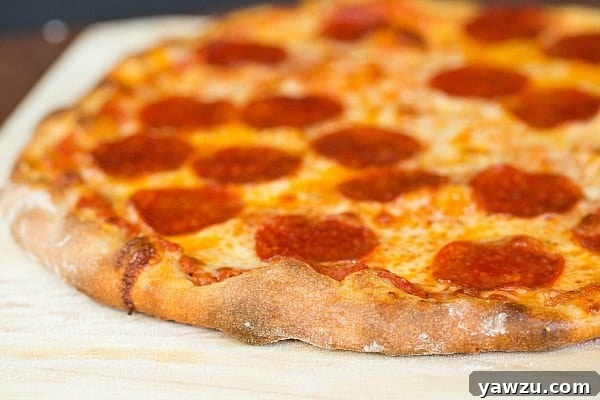
While my usual pizza dough is certainly not excessively thick, this particular recipe takes the concept of thin to a whole new level. The resulting crust is remarkably delicate and exceptionally crispy, providing the perfect foundation for your favorite toppings. A key element of authentic thin crust pizza is its judicious use of sauce. Here, the amount of sauce is kept intentionally minimal, allowing the true stars of the show—the crispy crust, the melted cheese, and the vibrant toppings—to truly shine through. This approach resonates deeply with my personal preference; I’m often known for requesting “light on the sauce” when ordering from a pizzeria. For us, classic pepperoni remains an undisputed favorite, adding a savory, slightly spicy kick. However, the beauty of homemade pizza lies in its endless customization. Feel free to explore any toppings your heart desires, or keep it wonderfully simple with just a blend of cheeses for a timeless classic.

The Secret to Effortless & Flavorful Dough: Make-Ahead Magic
What truly sets this thin crust pizza recipe apart, beyond its incredible texture, is its sheer convenience. The dough comes together in under 10 minutes, making the initial prep incredibly quick. The real magic happens overnight, as the dough slowly cold-proofs in the refrigerator. This extended fermentation not only deepens the flavor of the crust but also makes it exceptionally easy to handle when you’re ready to bake. Even better, this versatile dough can be refrigerated for up to three days, offering incredible flexibility for your meal planning. Imagine having fresh, homemade thin crust pizza ready on a busy weeknight with minimal fuss! If you’re someone who appreciates a pizza with a distinct crunch and a light, airy quality, this recipe is an absolute must-try. But be warned: if you mention pizza in my presence after trying this, you might just find me showing up for dinner, eager for another slice of this crispy perfection.

A Nostalgic Look Back: Favorite Recipes from the Past
It’s always fun to revisit culinary journeys from years gone by. Here are some other cherished recipes that have graced our kitchen:
- One year ago: Homemade Tropical Trail Mix
- Two years ago: Buttermilk Doughnuts
- Three years ago: Homemade Ice Cream Cookie Sandwiches
- Four years ago: Spumoni Ice Cream Terrine

Ultimate Homemade Thin Crust Pizza
Pin
Rate
Ingredients
For the Fluffy Yet Crispy Dough:
- 3 cups (375 g) bread flour, plus extra for dusting your work surface
- 2 teaspoons granulated sugar
- ½ teaspoon (0.5 teaspoon) instant, or rapid-rise yeast for optimal results
- 1⅓ cups (333.33 ml) ice water
- 1 tablespoon vegetable oil, plus extra for oiling your bowl and hands
- 1½ teaspoons (1.5 teaspoons) salt
For the Zesty Homemade Sauce:
- 28 ounce (793.79 g) can whole peeled tomatoes, thoroughly drained
- 1 tablespoon extra-virgin olive oil
- 1 teaspoon red wine vinegar
- 2 garlic cloves, finely minced
- 1 teaspoon salt
- 1 teaspoon dried oregano
- ¼ teaspoon (0.25 teaspoon) ground black pepper
For the Customizable Toppings:
- ½ cup (50 g) grated Parmesan cheese
- 8 ounces (226.8 g) mozzarella cheese, shredded (approximately 2 cups shredded)
- Pepperoni slices, or your preferred pizza toppings
Instructions
-
Prepare the Dough: In a food processor, combine the bread flour, granulated sugar, and instant yeast. Pulse for about 2 seconds to thoroughly mix these dry ingredients. With the food processor running, gradually pour the ice water through the feed tube. Continue to process until the dough just comes together and no dry flour remains visible, which typically takes around 10 seconds. Allow the dough to rest undisturbed in the food processor for 10 minutes. This brief rest helps the flour fully hydrate.
-
Next, add the vegetable oil and salt to the dough in the food processor. Process the mixture until the dough forms a smooth, satiny, and slightly sticky ball that pulls away cleanly from the sides of the workbowl. This usually takes between 30 to 60 seconds. Carefully remove the dough from the bowl and transfer it to a lightly oiled work surface. Knead the dough gently for about 1 minute until it feels smooth and elastic. Shape the dough into a tight, round ball and place it in a large bowl that has been lightly oiled. Cover the bowl tightly with plastic wrap to prevent drying and refrigerate for a minimum of 24 hours. This cold fermentation period is crucial for developing flavor and texture; the dough can be refrigerated for up to 3 days, making it perfect for advance preparation.
-
Craft the Zesty Sauce: In a food processor or blender, combine all of the sauce ingredients: the drained whole peeled tomatoes, extra-virgin olive oil, red wine vinegar, minced garlic cloves, salt, dried oregano, and ground black pepper. Process until the mixture is completely smooth, which should take approximately 30 seconds. Transfer the prepared sauce to an airtight container and refrigerate it until you are ready to assemble your pizzas. This sauce can also be made ahead of time and stored.
-
Prepare for Baking: One hour before you plan to bake your pizzas, preheat your oven to a scorching 500°F (260°C). Adjust an oven rack to the second-highest position, ensuring it is positioned about 4 to 5 inches below the broiler element. Place a pizza stone directly onto this rack and allow it to heat thoroughly with the oven. A properly preheated pizza stone is essential for achieving that desirable crispy crust.
-
Dough Preparation for Baking: Remove the chilled dough from the refrigerator. Divide the dough into two equal halves. Work each half into a smooth, tight ball. Place these dough balls onto a lightly oiled baking sheet, ensuring they are spaced at least three inches apart to allow for slight expansion. Loosely cover the dough balls with a piece of plastic wrap that has been lightly sprayed with non-stick cooking spray. Let the dough rest at room temperature for 1 hour; this allows it to relax and become easier to stretch.
-
Shaping Your Thin Crust: Lightly coat one ball of dough with flour and place it on a generously floured work surface. Using your fingertips, gently flatten the dough into an 8-inch disk. As you do this, aim to leave a slightly thicker outer edge (about an inch) to form the crust, while keeping the center thinner. Next, using both hands, gently stretch the dough into a 12-inch round. Work along the edges, giving the dough quarter turns as you stretch it to ensure even expansion. Finally, transfer the stretched dough to a well-floured pizza peel and continue to stretch it slightly more until it reaches a 13-inch round. The flour on the peel is crucial to prevent sticking when transferring to the hot stone.
-
Topping Your Pizza: With the dough on the pizza peel, spread approximately ½ cup of your homemade tomato sauce in a thin, even layer over the dough. Remember, less is more for thin crust! Then, sprinkle half of the grated Parmesan cheese evenly over the sauce, followed by half of the shredded mozzarella cheese. If desired, arrange your pepperoni slices or any other chosen toppings over the cheese layer. Be careful not to overload the pizza, as this can make the crust soggy and difficult to cook evenly.
-
Baking to Crispy Perfection: With a swift and confident motion, carefully slide the assembled pizza from the peel directly onto the preheated pizza stone in the oven. Bake until the crust is beautifully golden brown and crispy, and the cheese is bubbly, melted, and just beginning to brown in spots—this usually takes 10 to 12 minutes. For even cooking, rotate the pizza halfway through the baking time. Once baked, use the pizza peel to remove the hot pizza from the stone and transfer it to a wire rack. Allow it to rest for about 5 minutes before slicing and serving. This resting period helps the cheese set and prevents all the toppings from sliding off. Repeat the shaping and baking steps for the second pizza.
Notes
Pro Tip for Crispy Crust: Using a preheated pizza stone or a heavy baking steel is crucial for achieving that signature crispy bottom crust on your thin crust pizza. The intense, direct heat helps to cook the dough rapidly and prevent sogginess. If you don’t have a stone, an inverted heavy baking sheet preheated in the oven can work in a pinch.
Dough Handling: The dough is designed to be slightly sticky. Don’t be tempted to add too much flour during the kneading or stretching process, as this can make the crust tough. A lightly oiled surface for kneading and a well-floured peel for stretching are your best friends.
Tomato Drainage: Ensure your canned whole peeled tomatoes are very well drained for the sauce. Excess moisture will lead to a watery sauce that can make your thin crust less crispy. You can even gently squeeze the tomatoes after draining to remove more liquid.
Did you make this recipe?
Leave a review below, then snap a picture and tag @thebrowneyedbaker on Instagram so I can see it! Your creations inspire us all!
Beyond the Recipe: Tips for Your Best Thin Crust Pizza Ever
Making a truly exceptional thin crust pizza at home is an incredibly rewarding experience, and a few key tips can elevate your pie from good to gourmet. Beyond following the recipe to the letter, consider these insights for achieving thin, crispy, and flavorful results every time.
Optimal Oven Environment
The success of a crispy thin crust hinges significantly on intense heat. Your conventional oven needs to mimic, as closely as possible, the high temperatures of a professional pizza oven. Don’t underestimate the 500°F (260°C) temperature; it’s essential. More importantly, always preheat your pizza stone or steel for at least an hour. This ensures the stone is not just hot on the surface but thoroughly saturated with heat, providing that crucial burst of direct heat to the bottom of the dough, which is vital for a golden, crunchy base.
Handle Your Dough with Care
While the dough is resilient, thin crust requires a gentle touch during shaping. Avoid overworking it, which can make it tough. Instead of aggressive kneading, focus on stretching it gradually. Use your knuckles or the back of your hands to coax the dough into shape, letting gravity do some of the work. Quarter turns, as suggested in the instructions, help maintain an even thickness and prevent tearing. If the dough springs back, let it rest for a few minutes (the gluten needs to relax) before continuing to stretch.
The Art of Minimalist Topping
One of the defining characteristics of thin crust pizza is its emphasis on quality ingredients that aren’t drowned out by excessive toppings. A light hand with the sauce and cheese is crucial. Too much sauce can make the crust soggy, and too many toppings can prevent the pizza from cooking evenly and achieving its characteristic crispiness. Focus on fresh, high-quality ingredients and let their individual flavors shine. This allows the delicate crust to play a supporting, yet vital, role in every bite.
Cheese Choices and Flavor Profiles
While mozzarella is a classic for its melting qualities, don’t shy away from experimenting with cheese blends. A mix of low-moisture mozzarella with a touch of provolone or fontina can add depth and a richer flavor. For a more adventurous twist, consider adding dollops of fresh ricotta or a sprinkle of goat cheese after baking for a creamy, tangy contrast. The grated Parmesan cheese in this recipe adds a wonderful savory kick and helps achieve that beautiful browned cheese effect.
Get Creative with Toppings and Herbs
While pepperoni is a favorite, this thin crust provides a blank canvas for culinary creativity. Think seasonal vegetables like thinly sliced zucchini, bell peppers, or caramelized onions. Fresh herbs, added after the pizza comes out of the oven, can brighten the flavors – consider fresh basil, oregano, or a sprinkle of chili flakes for a bit of heat. For meat lovers, crumbled Italian sausage, prosciutto, or even grilled chicken can be excellent additions. Remember to precook any raw meats or dense vegetables to ensure they cook through within the pizza’s short baking time.
Serving and Storage Suggestions
Your freshly baked thin crust pizza is best enjoyed immediately. Serve it with a simple side salad dressed with a light vinaigrette to complement the rich flavors. For beverages, a crisp lager or a glass of dry red wine pairs beautifully with this classic Italian-American dish.
Should you have any glorious leftovers (a rare occurrence with this recipe!), allow the pizza to cool completely before storing it in an airtight container in the refrigerator for up to 2-3 days. To reheat, the best method for retaining crispness is to place slices directly on a hot pizza stone or in a preheated oven at 375°F (190°C) for 5-7 minutes, or until heated through and crispy again. Avoid the microwave if you want to prevent a soggy crust!
Embrace the Joy of Homemade Pizza
There’s an unparalleled satisfaction that comes from creating a delicious meal from scratch, and homemade thin crust pizza is certainly no exception. This recipe empowers you to take control of your pizza experience, from the nuanced flavor of the long-fermented dough to the perfect balance of sauce and toppings. It’s an opportunity to gather loved ones, experiment with flavors, and truly savor the process. So go ahead, unleash your inner pizzaiolo, and prepare to delight in the crispy, flavorful magic of your very own thin crust masterpiece. We’re confident this recipe will become a cherished staple in your home, just as it has in ours.