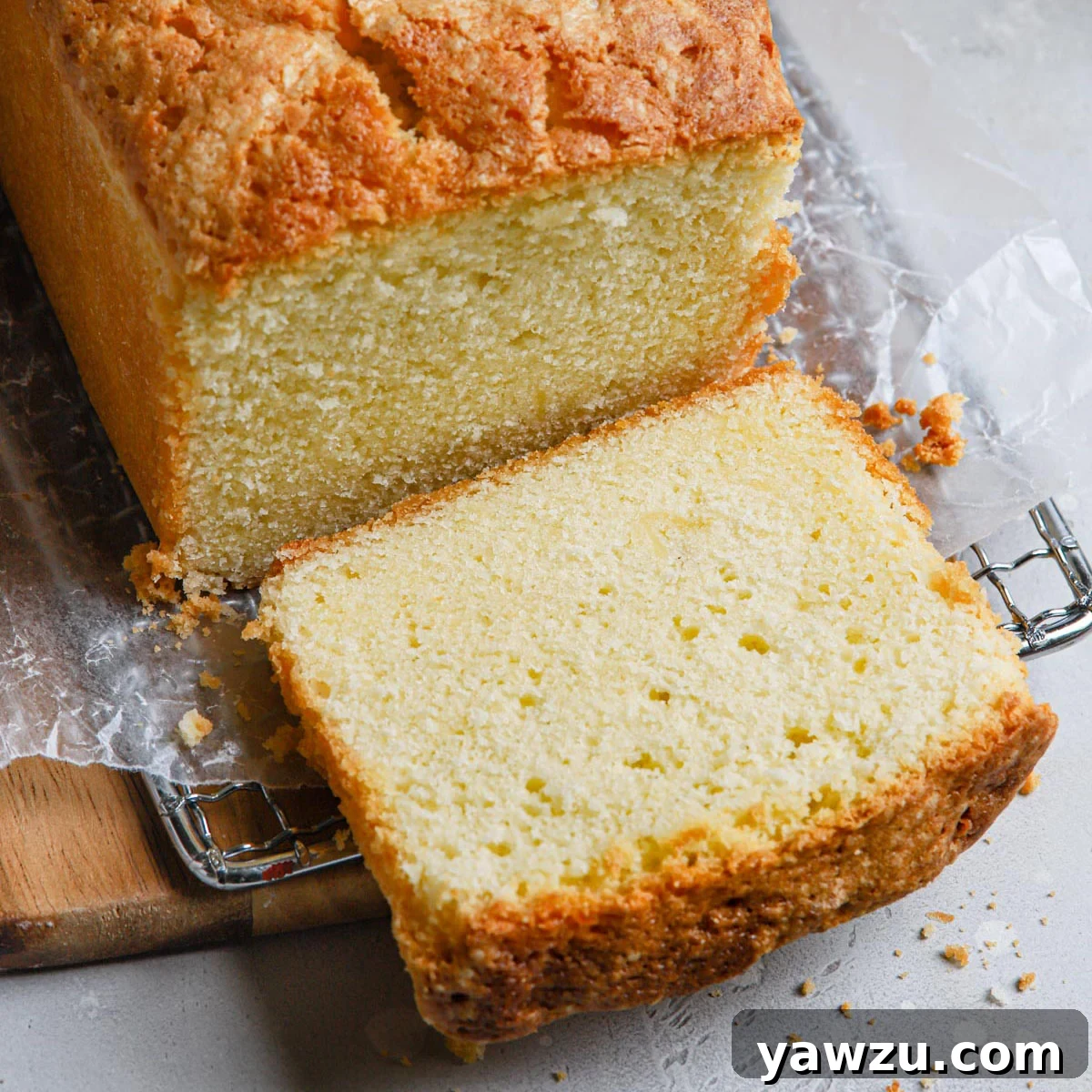
Welcome to the ultimate guide to crafting the most exquisite Classic Pound Cake – a timeless dessert that promises rich, buttery flavor and an unbelievably moist texture in every slice. This foundational recipe, requiring just a handful of simple ingredients, is a testament to the beauty of uncomplicated baking. Perfect for any gathering, a quiet afternoon treat, or as a delightful base for fresh fruit and cream, this melt-in-your-mouth pound cake is destined to become a cherished addition to your recipe repertoire. Imagine a slice served warm with a dollop of freshly whipped cream, a medley of vibrant berries, or alongside a comforting cup of coffee – pure culinary bliss awaits!
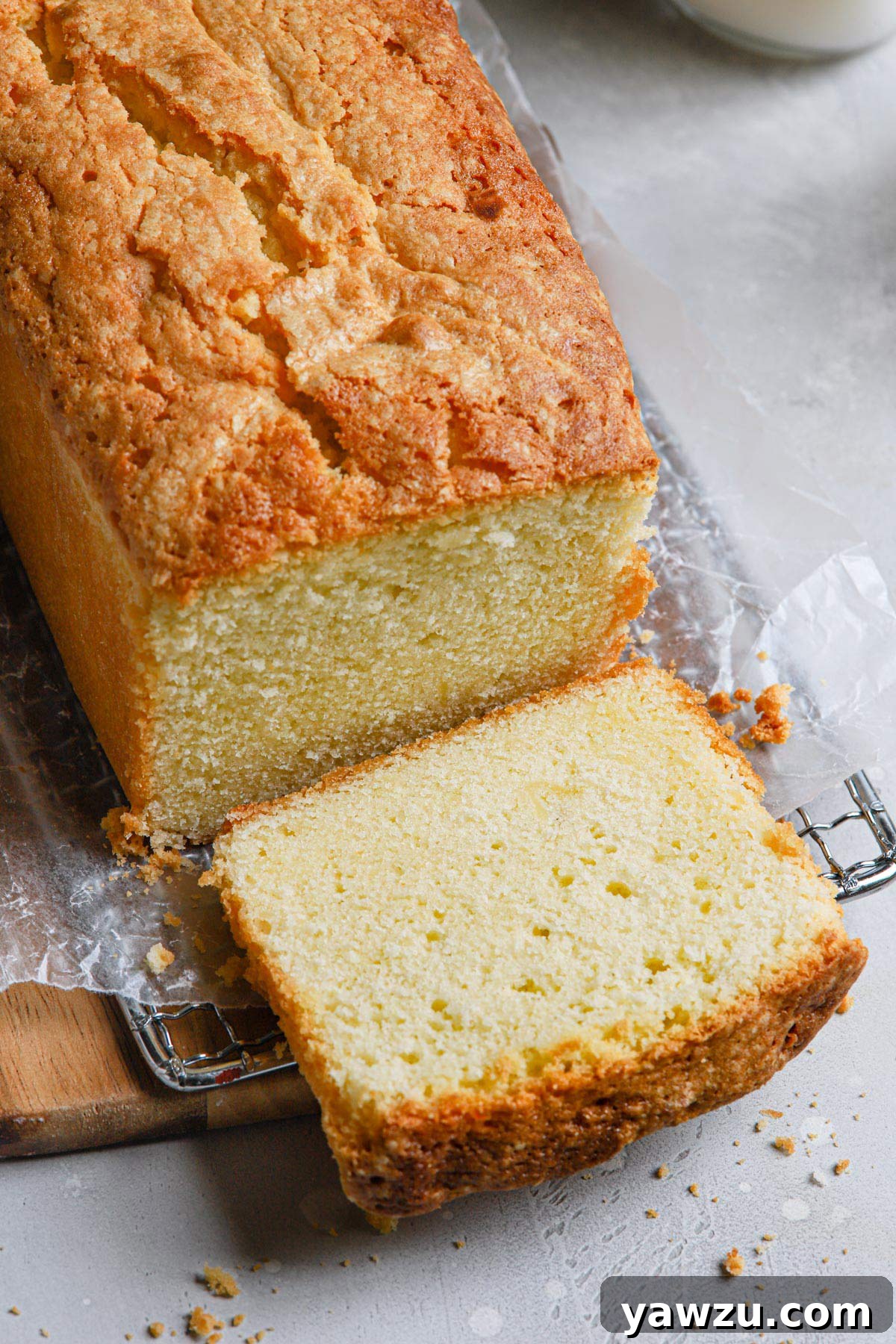
Why We Love Classic Pound Cake
There’s an undeniable allure to desserts that are both indulgent and versatile. While I admittedly have a penchant for decadent creations, I also deeply appreciate a dessert that serves as an elegant canvas for other fresh, seasonal ingredients. This is precisely where the timeless appeal of pound cake shines. Along with airy angel food cake, pound cake stands out as a magnificent vehicle for bountiful fresh fruit and generous piles of cloud-like whipped cream.
Over the years, I’ve experimented with various interpretations, including a beloved cream cheese pound cake that holds a special place in my heart. However, the quest for an equally exceptional, truly classic pound cake recipe has always been a priority. This recipe delivers precisely that – a perfectly balanced, deeply flavorful pound cake that deserves a permanent spot in your baking rotation, especially as a highlight of your summer dessert table.
The Enduring Legacy of Pound Cake: A Culinary Journey
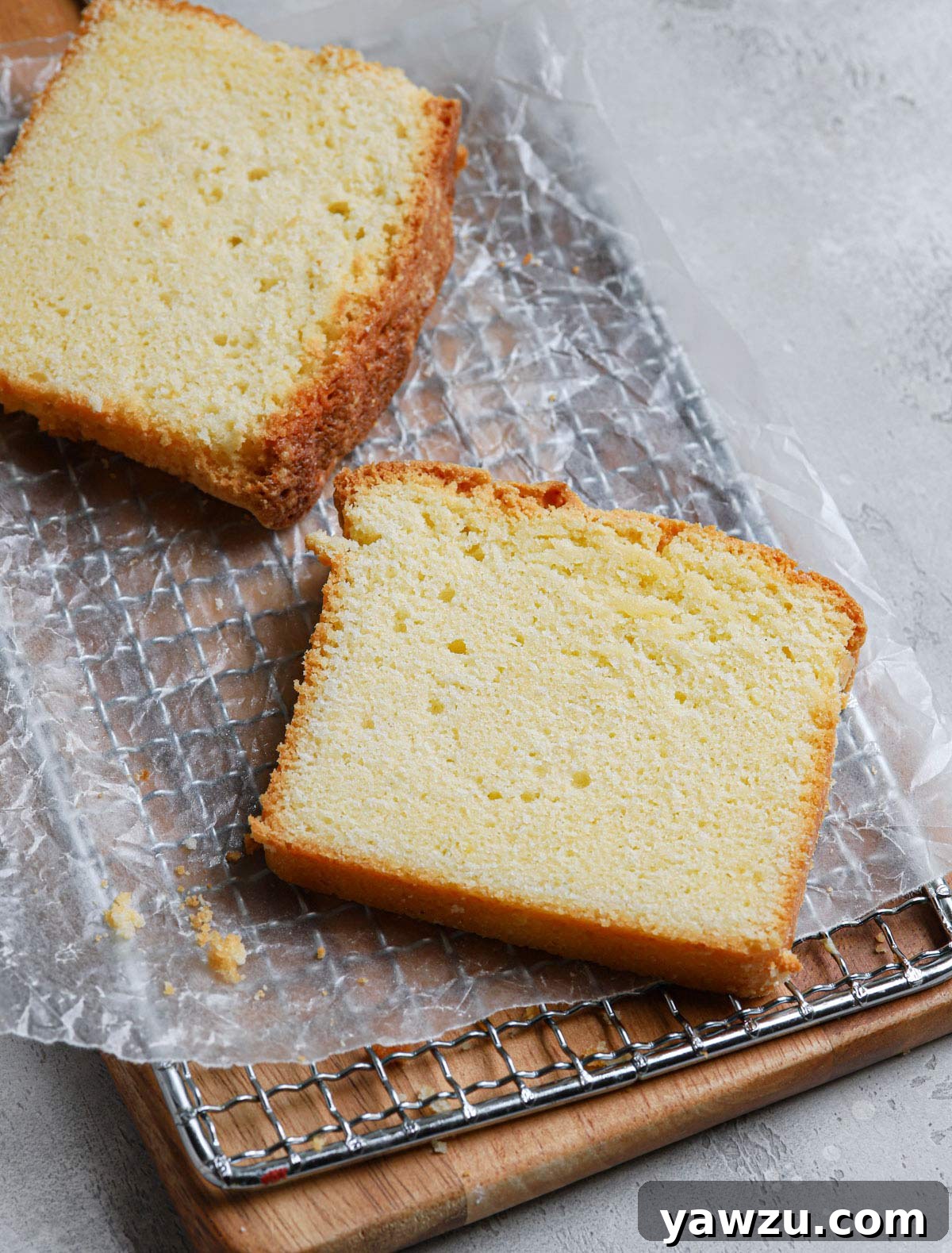
To truly understand the essence of pound cake is to appreciate its simplicity and profound history. Rich, intensely buttery, and exquisitely moist are indeed the hallmarks of this celebrated cake. Its origins are often traced back to northern Europe in the 1700s, with one of the earliest known American recipes appearing in a cookbook dating back to 1796. The traditional recipe, from which the name “pound cake” is derived, famously called for one pound each of flour, butter, sugar, and eggs. This straightforward, equal-parts approach created a dense, satisfying cake that was both easy to remember and consistently delicious.
Over centuries, the classic pound cake recipe has seen numerous delightful changes and adaptations. Bakers across the globe have introduced various flavorings, fruits, and crucially, leavening agents beyond just eggs, to achieve lighter textures and diverse profiles. The addition of dairy products like cream cheese or sour cream has also become popular in many modern variations, further enhancing moisture and richness. Regional differences have also given rise to unique interpretations, each adding its own cultural flair to this global favorite. Here are just a few remarkable examples:
- French Quatre-Quarts: In France, pound cake is known as “quatre-quarts,” literally meaning “four quarters,” referencing the equal parts of its core ingredients. A notable French variation often substitutes whipped egg whites for whole eggs, which acts as a natural leavening agent, resulting in a slightly airier crumb while maintaining its characteristic richness.
- Mexican Panqué: The Mexican version, called “panqué,” closely resembles the United States recipe in its basic structure. However, popular variations frequently incorporate additions like chopped walnuts or raisins, lending a pleasant texture and additional sweetness.
- Colombian and Venezuelan Ponqué: Known as “ponqué” in Colombia and Venezuela, this interpretation takes a distinctive turn. Often drenched in wine, it develops a complex flavor profile, and is typically finished with a sweet cream or sugar glaze, making it a truly celebratory dessert.
- Russian Pound Cake: Typically made with equal parts butter, sugar, and raisins, the Russian pound cake is dense and satisfying, traditionally served alongside a cup of coffee or tea, offering a delightful accompaniment to warm beverages.
While I enjoy exploring these diverse renditions, including my own recipes for chocolate pound cake and cream cheese pound cake, there remains a tender spot in my heart for the quintessential simplicity and pure vanilla goodness of this classic pound cake recipe. It’s a taste of tradition that never disappoints.
Crafting Perfection: Essential Ingredients for Your Pound Cake
At its heart, a truly traditional pound cake famously calls for a pound each of flour, butter, eggs, and sugar. While paying homage to this classic foundation, I’ve made thoughtful adjustments to achieve what I believe is the absolute BEST pound cake to grace your dessert table – one that balances historical authenticity with modern baking excellence. Each ingredient plays a vital role in creating its signature dense, yet tender crumb and rich flavor. Here’s a closer look at what you’ll need:
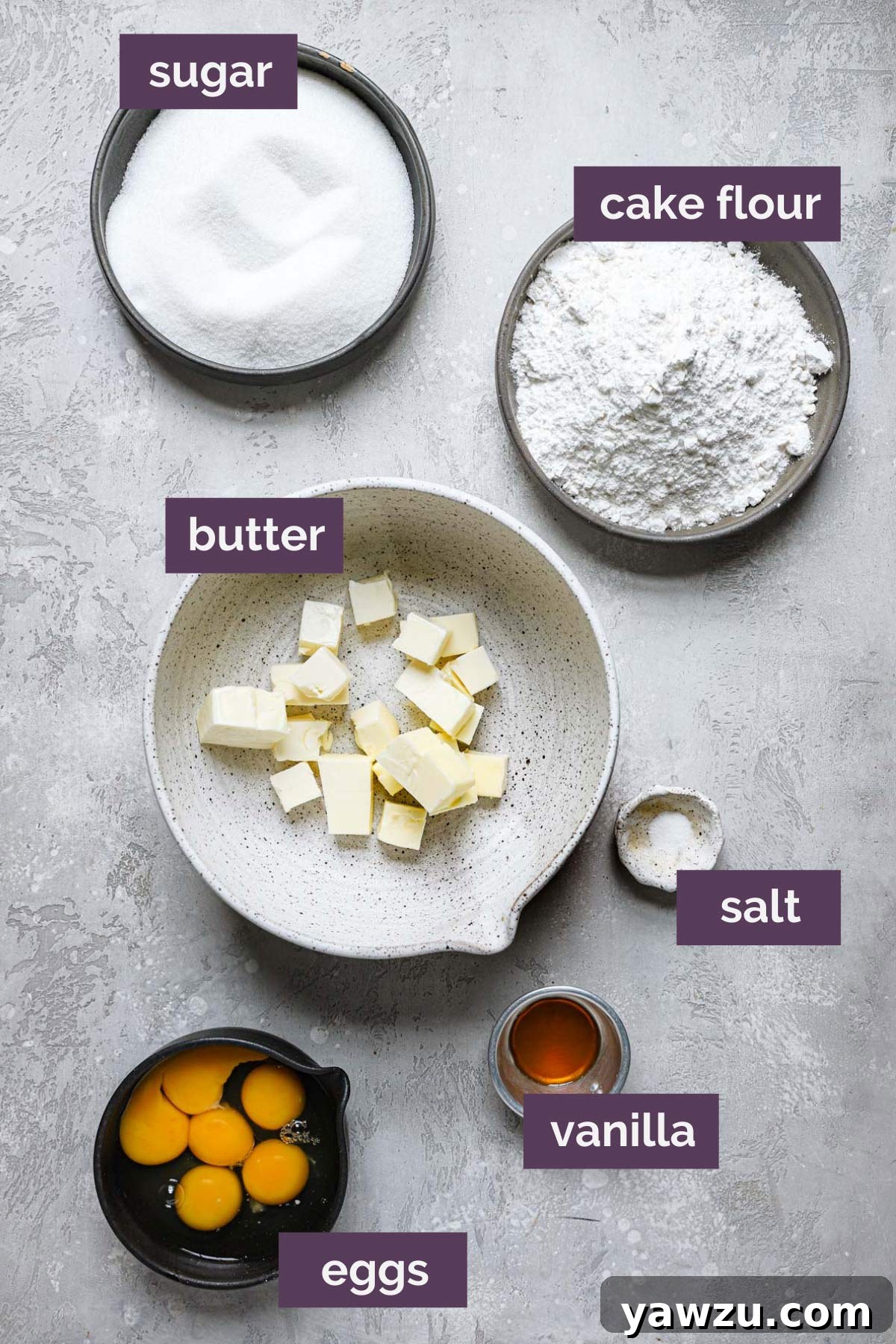
- Unsalted Butter: This is the soul of pound cake. Using unsalted butter allows you to control the overall saltiness of the cake, ensuring a pure, delightful buttery flavor that melts in your mouth. Chilled butter, specifically, helps in the creaming process to create a stable emulsion with the sugar, incorporating air that contributes to the cake’s structure.
- Eggs + Egg Yolks: A combination of whole eggs and extra egg yolks is key to this recipe’s success. The whole eggs provide essential structure and also act as a natural leavening agent, helping the cake rise. The additional yolks contribute significantly to the cake’s richness, color, and unparalleled moistness, preventing it from drying out. Ensure all eggs are at room temperature for better emulsification with the butter and sugar.
- Vanilla Extract: Pure vanilla extract is crucial for a classic vanilla pound cake. It enhances all the other flavors and provides that comforting, aromatic depth that makes pound cake so irresistible. Don’t skimp on quality here!
- Salt: A small amount of salt is a powerhouse ingredient in baking. It balances the sweetness of the sugar and helps to enhance the buttery notes and overall flavor profile of the cake, making every bite more complex and satisfying.
- Granulated Sugar: Beyond just sweetening the cake, sugar plays a vital role in tenderizing the crumb and contributing to moisture retention. When creamed with butter, it creates air pockets that give the cake its classic texture.
- Cake Flour: This is a secret weapon for achieving a truly tender and moist pound cake. Cake flour has a lower protein content than all-purpose flour, which results in less gluten development. This prevents the cake from becoming tough or overly dense, ensuring a delicate, fine crumb that is characteristic of an exceptional pound cake.
Mastering the Art of Pound Cake: Step-By-Step Directions
One of the most appealing aspects of this moist pound cake recipe is its elegant simplicity. Despite its impressive outcome, the ingredient list is quite straightforward, and the preparation process is incredibly manageable. This makes it an ideal choice to whip up for a simple summer dessert or any occasion where you desire a delicious, homemade treat without excessive fuss. Follow these steps for pound cake perfection:
- Prepare Your Ingredients and Pan: Begin by cutting your chilled unsalted butter into 16 pieces and placing them in the bowl of an electric mixer. Allow the butter to stand at room temperature for at least 30 minutes to soften slightly. In a separate small bowl, whisk together the eggs, egg yolks, and vanilla extract with a fork; let this mixture also come to room temperature. Preheat your oven to 325°F (160°C). Carefully grease and flour an 8½ by 4½-inch loaf pan, ensuring all interior surfaces are thoroughly coated to prevent sticking.
- Cream Butter and Sugar to Perfection: Using your electric mixer, beat the softened butter and salt at medium-high speed until the mixture is smooth and creamy. This should take approximately 3 minutes. Be sure to stop and scrape down the sides of the bowl once to ensure everything is incorporated. Reduce the mixer speed to medium, and gradually pour in the granulated sugar. Once all the sugar has been added, increase the speed back to medium-high and continue beating until the mixture is visibly light and fluffy. This crucial step, known as creaming, can take anywhere from 5 to 8 minutes, and don’t be shy about letting it go longer than you might be used to for other cakes. Scrape the bowl once more.
- Incorporate Eggs and Vanilla: With the mixer speed still at medium, gradually add the egg mixture (eggs, yolks, and vanilla) in a slow, steady stream. After all the egg mixture has been incorporated, scrape down the bowl thoroughly. Increase the mixer speed to medium-high and beat the batter for another 3 to 4 minutes until it becomes light and fluffy again. This ensures proper emulsification and adds more air to the batter.
- Gently Fold in Flour: Sift the cake flour directly over the batter in three separate additions. After each addition, use a rubber spatula to gently fold the flour into the batter until just combined. Be careful not to overmix at this stage, as over-developing the gluten in the flour can lead to a tough cake. The goal is to retain the air incorporated during the creaming process.
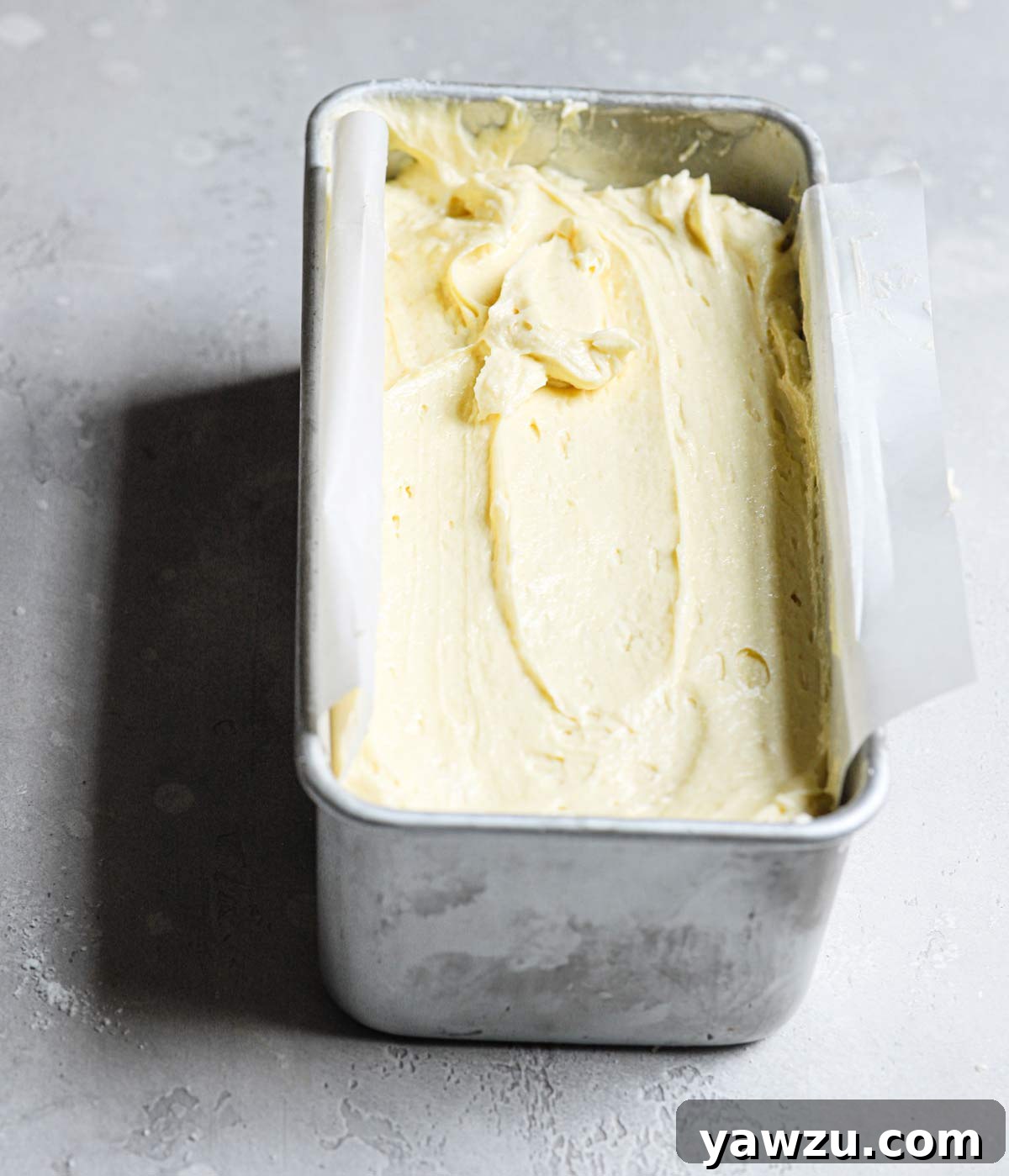
- Bake and Cool: Carefully pour the prepared batter into your greased and floured loaf pan, smoothing the top with your spatula. Bake in the preheated oven until the cake is golden brown and a toothpick inserted into the center comes out clean. This typically takes between 1 hour 10 minutes to 1 hour 20 minutes. Remember to rotate the pan halfway through the baking time to ensure even browning. Once baked, let the cake cool in the pan on a wire rack for about 15 minutes. Then, invert the cake onto the wire rack to cool completely, which will take at least 2 hours, before slicing and serving. This slow cooling helps prevent the cake from collapsing and ensures a perfectly set crumb.
Elevate Your Pound Cake: Flavor Variations and Mix-In Ideas
While the classic vanilla pound cake is sheer perfection on its own, its simple profile also makes it an incredible base for creative flavor additions and exciting mix-ins. If you’re looking to add a little zest, warmth, or crunch to this traditional recipe, here are some fantastic ideas to try:
- Zesty Lemon Pound Cake: For a bright and refreshing twist, incorporate about 1 tablespoon of finely grated lemon zest and 2 teaspoons of fresh lemon juice into the batter. The citrus notes will beautifully complement the rich butteriness. You can also experiment with orange or lime zest for different citrus profiles.
- Fruity Additions: Transform your pound cake into a fruit-studded delight. Gently fold in 1 cup of your favorite dried fruits, such as plump raisins, tangy craisins, or sweet dried cherries, into the batter just before pouring it into the pan. For an extra touch, you can lightly flour the dried fruit before adding it to prevent it from sinking to the bottom of the cake.
- Nutty Crunch: Introduce a delightful textural contrast with chopped nuts. Stir in 1 cup of chopped pecans, walnuts, or almonds into the batter. These add a wonderful nutty flavor and a satisfying bite to each slice. Toasting the nuts lightly before adding them can further enhance their flavor.
- Spiced Warmth: For a cozy, comforting flavor, add 1-2 teaspoons of ground cinnamon, a half teaspoon of nutmeg, or a pinch of ground cloves to the dry ingredients before sifting. These spices infuse the cake with a lovely aromatic warmth.
- Chocolate Indulgence: Who can resist chocolate? Fold in 1 cup of mini chocolate chips, chocolate chunks, or even white chocolate chips for a sweet, melting surprise in every bite.
The Perfect Accompaniment: Serving Suggestions for Pound Cake
One of the most cherished ways to savor a freshly baked slice of pound cake is simply dusted with powdered sugar – an elegant and understated presentation that allows the cake’s inherent flavor to shine. However, the versatility of this moist dessert opens up a world of delightful serving possibilities. Here are a few creative ways to elevate your pound cake experience:
- Classic Whipped Cream: A generous dollop of freshly made whipped cream is a natural pairing. Its lightness and subtle sweetness beautifully balance the richness of the pound cake.
- Fresh Berry Medley: Serve slices alongside a vibrant array of fresh berries – plump blueberries, juicy strawberries, or tart raspberries. The natural sweetness and slight acidity of the fruit cut through the cake’s richness, creating a harmonious bite.
- Luscious Glazes: Drizzle your pound cake with a simple, yet flavorful glaze. An orange glaze offers a bright citrusy note, while a lemon glaze provides a zesty tang. A simple vanilla glaze made with powdered sugar and milk is also a fantastic choice.
- Creamy Frostings: For an extra layer of indulgence, frost your pound cake with a velvety vanilla buttercream frosting. A cream cheese frosting would also be an incredible complement, adding a touch of tang.
- Ice Cream Extravaganza: A large scoop of premium vanilla bean ice cream, or even a complementary fruit sorbet, melting slightly over a warm slice of pound cake, is an absolute dream dessert.
- Coffee or Tea Companion: For a simple pleasure, enjoy a slice with your morning coffee or afternoon tea. The cake’s dense texture and buttery flavor make it an ideal partner for warm beverages.
Preserving Freshness: Storage and Freezing Instructions
To ensure your delicious pound cake remains at its peak freshness and flavor for as long as possible, proper storage is key. Whether you plan to enjoy it over a few days or save some for later, here’s how to best store your moist pound cake:
- Storing at Room Temperature: Once the cake has cooled completely to room temperature, wrap it tightly in plastic wrap. This prevents it from drying out and keeps it moist. Store the wrapped cake at room temperature for up to 3 days. For best results, avoid direct sunlight or warm environments.
- Freezing for Longer Storage: Pound cake freezes beautifully! After the cake has cooled completely, double wrap it securely in plastic wrap, ensuring no air can get in. Then, wrap it again in aluminum foil for an extra layer of protection against freezer burn. Store the double-wrapped cake in the freezer for up to 3 months.
- Thawing Frozen Pound Cake: When you’re ready to enjoy your frozen pound cake, simply remove it from the freezer. Allow the cake to come to room temperature completely *before* unwrapping it from the plastic wrap and foil. Thawing it while wrapped helps trap moisture, keeping the cake incredibly moist as it defrosts. Once thawed, it will taste almost as fresh as the day it was baked.
Frequently Asked Questions About Pound Cake
Whether you’re a seasoned baker or new to the world of pound cakes, you might have some questions. Here are answers to commonly asked questions to help you bake the best pound cake every time:
Pound cake is distinctly different from a regular sponge or layer cake primarily in its density and richness. Traditional pound cakes are known for their tight, dense crumb, which is a result of a higher fat-to-flour ratio (historically, equal parts of butter, sugar, flour, and eggs). Regular cakes, often called sponge cakes or butter cakes, typically use leavening agents like baking powder or baking soda, and have a lighter, fluffier texture with a more open crumb. Pound cakes are also generally richer in flavor due to the generous amount of butter and eggs.
Achieving a perfectly moist pound cake involves several factors. Firstly, the high butter and egg content naturally contributes to moisture and richness. Many modern recipes also incorporate additional dairy like sour cream or cream cheese to further enhance moisture. However, the most critical “secret” is to avoid over-baking. The longer a cake bakes beyond its ideal point, the more moisture it loses, resulting in a dry crumb. Using specific ingredients like cake flour also helps maintain tenderness and moisture. Ensuring all ingredients are at room temperature also helps create a smooth, emulsified batter that bakes evenly and retains moisture.
The best flour for a light and moist pound cake is undoubtedly cake flour. Cake flour has a lower protein content (typically 6-8%) compared to all-purpose flour (10-12%). This lower protein level means less gluten development during mixing, which prevents the cake from becoming overly dense, tough, or chewy. Instead, cake flour yields a wonderfully tender, delicate, and fine crumb, allowing the rich, buttery base flavor of the pound cake to truly shine. While all-purpose flour can be used in a pinch, it will result in a slightly denser and chewier cake.
Yes, you can substitute all-purpose flour for cake flour, but there will be a noticeable difference in texture. All-purpose flour will result in a denser, slightly firmer crumb due to its higher protein content. If you must use all-purpose flour, you can try a homemade cake flour substitute: for every cup of cake flour called for, measure 1 cup of all-purpose flour, remove 2 tablespoons, and replace them with 2 tablespoons of cornstarch. Sift this mixture several times to combine thoroughly. This hack mimics some of cake flour’s tenderness.
A crack down the center of a pound cake is actually quite common and often considered a desirable characteristic! It happens because the outside of the cake bakes and sets faster than the inside. As the center continues to rise, the already set crust cracks to allow the interior to expand. Factors like a hot oven, a very cold batter, or simply the natural density of pound cake can contribute to this. It’s usually not a sign of a problem, but rather a hallmark of a classic pound cake.
Discover More Moist Cake Recipes to Bake Next
If you’ve fallen in love with the moist and tender crumb of this classic pound cake, you’ll surely enjoy exploring these other delightful cake recipes from my collection:
- Red, White, and Blue Berry Trifle: A stunning, layered dessert packed with fresh berries, cake, and creamy goodness.
- Chocolate Bundt Cake with Chocolate Fudge Icing: An intensely chocolatey, moist bundt cake crowned with a decadent fudge icing.
- Chocolate Pound Cake Recipe: For the chocolate lovers, a rich and dense chocolate version of this classic.
- Perfect Cream Cheese Pound Cake: An incredibly moist and tangy pound cake made with the addition of cream cheese for extra richness.
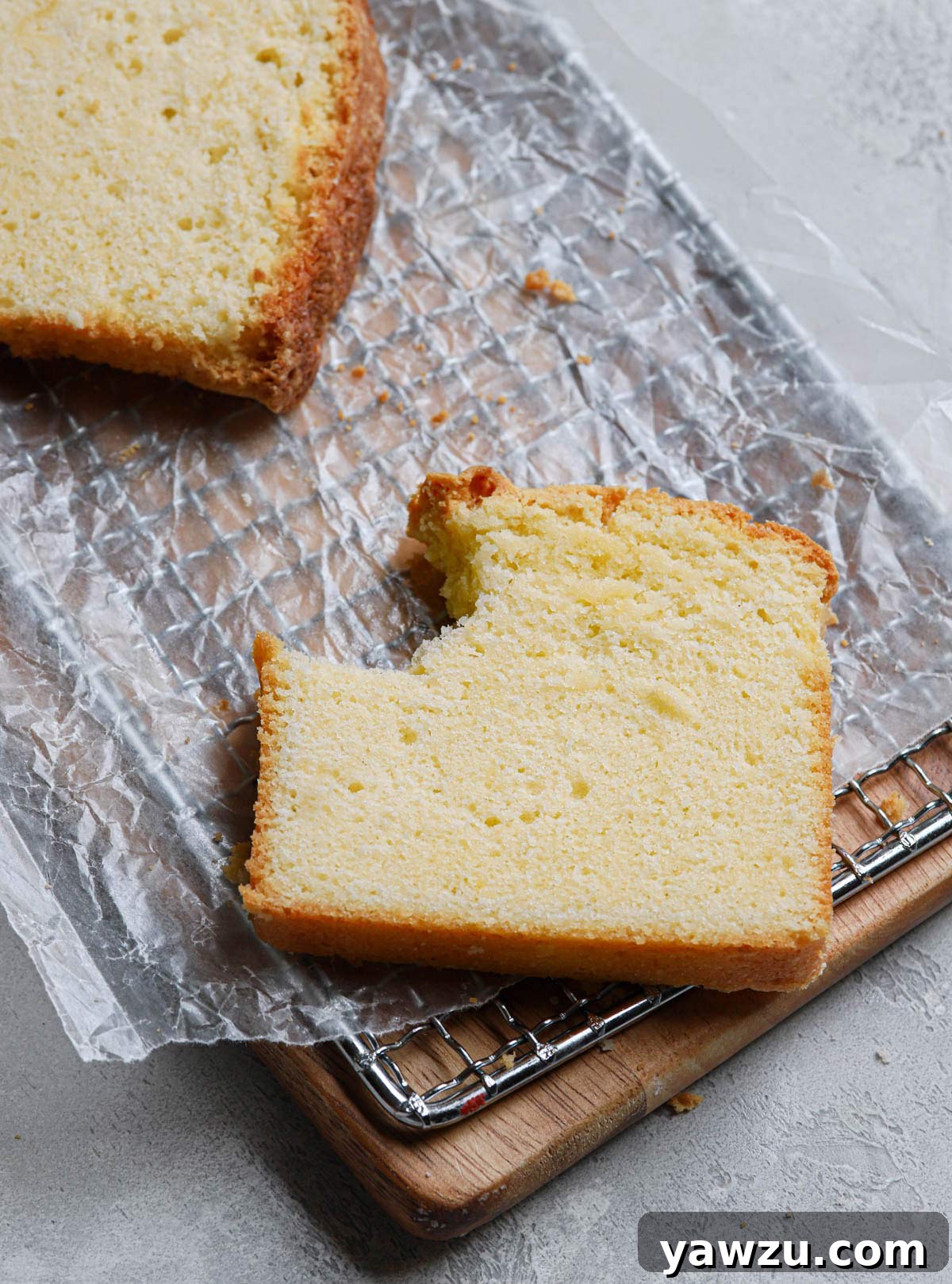
Moist, undeniably buttery, and perfect to the very last bite, this classic pound cake recipe is an essential addition to any home baker’s collection! It’s an easy-to-make cake that shines whether served simply with fresh whipped cream, a generous scoop of vanilla ice cream, or a creamy vanilla buttercream frosting. Its versatility and timeless appeal make it a dessert you’ll want to revisit again and again.
If you make this irresistible recipe and fall in love with it, please take a moment to stop back and give it a 5-star rating – your feedback helps other aspiring bakers discover and enjoy this wonderful recipe! ❤️️
Classic Pound Cake
8
servings
30 mins
1 hr 10 mins
1 hr 40 mins
Ingredients
-
1 cup
(227 g)
unsalted butter,
chilled -
3
eggs,
at room temperature -
3
egg yolks,
at room temperature -
2 teaspoons
vanilla extract -
½ teaspoon
salt -
1¼ cups
(248 g)
granulated sugar -
1¾ cups
(196 g)
cake flour
Instructions
-
Cut butter into 16 pieces and place in the bowl of an electric mixer; let stand at room temperature for 30 minutes to soften slightly. In a small bowl, use a fork to beat together the eggs, yolks and vanilla extract. Let stand at room temperature until ready to use.
-
Preheat oven to 325 degrees F. Grease and flour an 8½ by 4½-inch loaf pan.
-
Beat the butter and salt at medium-high speed until smooth and creamy, about 3 minutes, stopping to scrape the bowl once. Reduce the mixer speed to medium and gradually pour in the sugar. Once all of the sugar is added, increase the speed to medium-high and beat until light and fluffy, 5 to 8 minutes, scraping the bowl once. Reduce the mixer speed to medium and gradually add the egg mixture in a slow, steady stream. Scrape down the bowl, then beat the mixture at medium-high speed until light and fluffy, 3 to 4 minutes. Scrape down the bowl.
-
Sift the flour over the batter in 3 additions, folding gently with a rubber spatula after each addition.
-
Pour the batter into the prepared pan and smooth the top. Bake until golden brown and a toothpick inserted in the center comes out clean, 1 hour 10 minutes to 1 hour 20 minutes, rotating pan halfway through baking. Let cake cool in the pan on a wire rack for 15 minutes, then turn out onto a wire rack and cool completely, at least 2 hours, before serving. The cake can be stored, wrapped tightly in plastic wrap, at room temperature for up to 3 days.
Notes
- Serving Suggestions: Topped with fresh whipped cream / Served with a side of blueberries, strawberries, or raspberries / Drizzled with an orange glaze / Frosted with a vanilla buttercream frosting / Topped with a large scoop of vanilla ice cream
- Storing: Wrap the cooled cake tightly in plastic wrap and store it at room temperature for up to 3 days.
- Freezing: Double wrap the cooled pound cake in plastic wrap and then wrap in foil before storing in the freezer for up to 3 months.
- Thawing: Remove from the freezer and allow the cake to come to room temperature completely before unwrapping from the plastic wrap and foil.
Nutritional values are based on one serving
Calories:
471
kcal
,
Carbohydrates:
52
g
,
Protein:
7
g
,
Fat:
27
g
,
Saturated Fat:
16
g
,
Polyunsaturated Fat:
2
g
,
Monounsaturated Fat:
7
g
,
Trans Fat:
1
g
,
Cholesterol:
196
mg
,
Sodium:
176
mg
,
Potassium:
66
mg
,
Fiber:
1
g
,
Sugar:
32
g
,
Vitamin A:
896
IU
,
Calcium:
29
mg
,
Iron:
1
mg
Did you make this recipe?
Leave a review below, then snap a picture and tag @thebrowneyedbaker on Instagram so I can see it!
Michelle Lettrich
Dessert
American
Photography by Dee Frances.