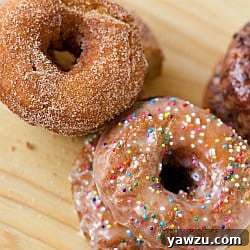
Irresistible Homemade Buttermilk Doughnuts: Your Ultimate Guide to Deep-Frying Delight
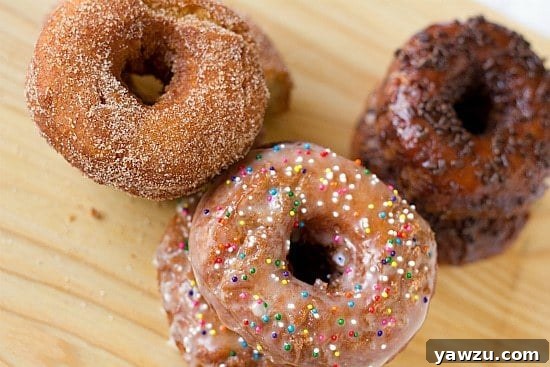
There’s an undeniable magic in homemade doughnuts. The scent alone—a tantalizing mix of sweet dough and warm, rich oil—is enough to transport you to a simpler time. If you’ve ever felt a pang of intimidation when it comes to deep-frying, let me assure you, you’re not alone. Not long ago, my culinary adventures into the world of bubbling oil began with the humble, yet delicious, homemade French fries. It was an initial leap that quickly dissolved any apprehension, paving the way for my second, equally rewarding deep-frying endeavor: these exquisite buttermilk doughnuts.
My journey from deep-frying novice to enthusiast has been surprisingly swift. The fear of splattering oil and temperature control has vanished, replaced by an eager anticipation for the next delicious creation to emerge from the fryer. While I ponder future fried delights – perhaps some classic Southern fried chicken is on the horizon – let’s focus on the star of today’s show: homemade buttermilk doughnuts. These delectable treats have occupied a special place in my culinary aspirations for as long as I can recall, securing a spot on my original Top 100 list. The moment I committed to embracing the frying frenzy, I knew these doughnuts had to be among my first attempts. And what a phenomenal decision it was! They are not only surprisingly simple to prepare but also come together quickly, making them perfect for impressing house guests or adding a touch of extraordinary sweetness to an otherwise ordinary weekend morning.
The beauty of buttermilk doughnuts lies in their tender crumb and rich, slightly tangy flavor, which buttermilk perfectly imparts. This recipe promises a classic, old-fashioned taste that evokes memories of roadside farm stands and artisanal bakeries. Beyond their incredible flavor, the process of making them from scratch is a deeply satisfying experience, transforming simple ingredients into a truly indulgent treat. So, roll up your sleeves, gather your ingredients, and prepare to embark on a delightful doughnut-making adventure that will reward you with warm, golden rings of pure bliss.
The Delightful Bonus: Doughnut Holes
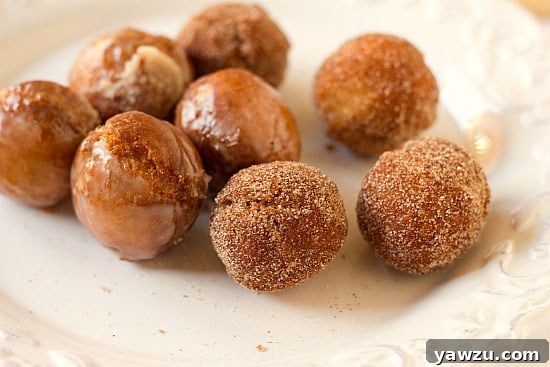
One of the most charming aspects of making traditional ring doughnuts is the delightful byproduct: doughnut holes! These bite-sized morsels are often even more popular than their larger counterparts. They cook up in a flash, offering a quick sample of your delicious creation, and are perfect for little hands (or anyone who prefers a smaller indulgence). Don’t toss those centers – they are an integral part of the homemade doughnut experience, and trust me, they disappear just as quickly as the main doughnuts, if not faster. They are little puffs of perfection, often coated in the same glorious toppings, providing an extra layer of joy to your baking efforts.
Crafting the Perfect Dough: Simple Steps for Tender Buttermilk Goodness
The foundation of any exceptional doughnut lies in its dough, and this buttermilk doughnut dough is remarkably straightforward. Forget the need for heavy-duty stand mixers; this recipe is a testament to the power of simplicity. All you need are two bowls, a whisk, and a spoon, and you’re well on your way to creating doughnut perfection. The beauty of this method is its accessibility, ensuring that even novice bakers can achieve impressive results without specialized equipment. The ingredients blend together effortlessly, forming a sticky, yet manageable, dough that promises a tender, fluffy texture once fried.
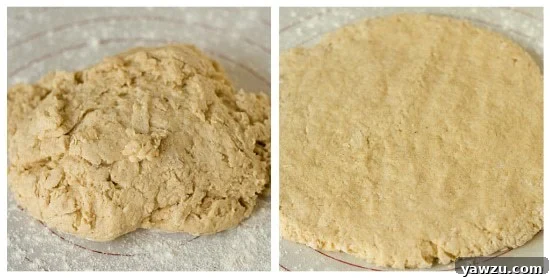
Once your dough is mixed, the next step is equally satisfying. Gently turn the sticky dough out onto a lightly floured surface. A sprinkle of flour on top prevents sticking, allowing you to pat it out evenly. Aim for a thickness of about ½-inch. This precise thickness is crucial for achieving the ideal doughnut consistency – not too dense, not too thin, but just right for a perfectly fluffy interior and a crisp exterior.
The Joy of Cutting and Shaping Doughnuts
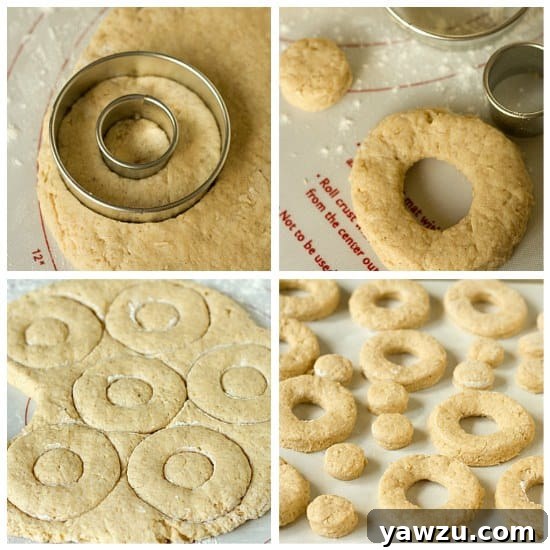
Now comes what many consider the most enjoyable part of the process: cutting the doughnuts! This is where you truly bring your doughnuts to life. You’ll need two round cookie cutters of different sizes – a larger one (around 3¼ inches) for the main doughnut shape and a smaller one (about 1½ inches) to create the iconic hole in the center. Remember to dip your cutters in flour between each cut to prevent sticking and ensure clean, crisp edges.
Arrange your freshly cut doughnuts and their precious little holes on a parchment-lined baking sheet. Don’t worry about the dough scraps; simply gather them, gently pat them back together (avoid overworking the dough, which can make it tough), and cut out more doughnuts until you’ve used every last bit. This mindful approach ensures minimal waste and maximum doughnut yield. Chilling the cut dough is a small but important step, helping it firm up and maintain its shape during frying. This brief rest also gives the gluten a chance to relax, contributing to an even more tender final product. While the dough chills, you can prepare your frying oil, ensuring a seamless transition to the next exciting stage.
Frying to Perfection: Achieving that Golden Glow
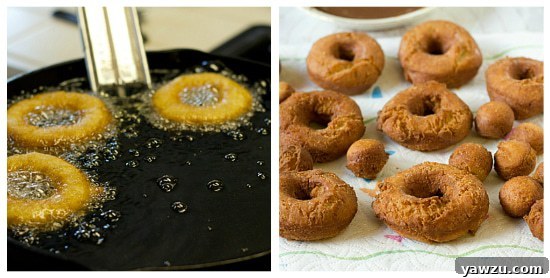
With your dough chilled and your oil heated, it’s time for the grand finale: frying! This step is quicker than you might imagine, with each side taking only a couple of minutes to transform from pale dough to a beautiful golden-brown. Precision is key here; maintaining the oil temperature between 365-370°F is critical for perfectly cooked doughnuts. Too cool, and they’ll absorb too much oil, becoming greasy. Too hot, and they’ll brown too quickly on the outside, remaining raw in the center.
When it’s time to flip, I highly recommend using sturdy tongs. This method offers excellent control, allowing you to gently turn each doughnut without splashing hot oil. This small safety measure makes the frying process much more enjoyable and less messy. Keep a close eye on them, as they can go from perfectly golden to overly dark very quickly. Once fried, transfer them to a paper towel-lined baking sheet to drain any excess oil. This ensures they remain deliciously light and non-greasy, ready for their glorious toppings. The aroma filling your kitchen at this stage is truly intoxicating – a preview of the deliciousness to come.
Glorious Toppings: A Trio of Sweetness for Every Palate
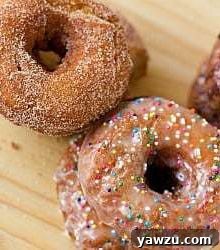
Once your perfectly fried doughnuts emerge, golden and inviting, the real fun begins: dipping and rolling them in the toppings of your choice. I indulged in all three classic options – the comforting cinnamon-sugar, the silky smooth vanilla glaze, and the decadent chocolate glaze. A word of caution from my own experience: when I scaled down the vanilla and chocolate glaze recipes, they turned out a bit thinner than ideal. For a lusciously thick coating, I highly recommend either making the full batch of glaze or generously compensating with extra powdered sugar for the vanilla and additional chocolate for the chocolate glaze, ensuring they adhere beautifully to the doughnuts.
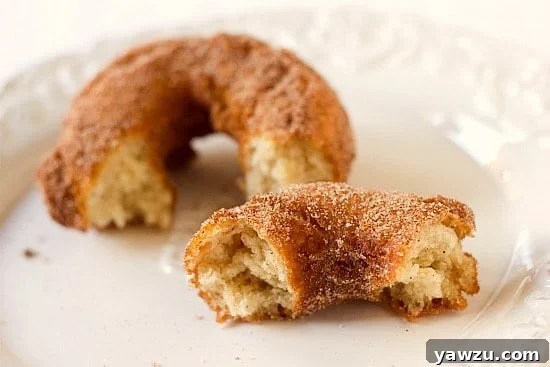
Among the trifecta of toppings, the cinnamon-sugar holds a special place in my heart – it’s my absolute favorite when it comes to classic doughnuts. The simple yet profound combination of warm cinnamon and sweet sugar creates an irresistible texture and flavor profile. Each bite offers a delightful crunch from the sugar crystals, followed by the soft, airy interior of the doughnut. These buttermilk doughnuts, especially when coated in cinnamon-sugar, truly capture the essence of those cherished, old-fashioned “farm stand” doughnuts that the original cookbook aimed to recreate. Their fantastic flavor and perfect texture are a testament to the timeless appeal of homemade treats, making them an instant classic in any home baker’s repertoire. Whether you prefer the comforting familiarity of cinnamon-sugar, the elegant simplicity of vanilla, or the rich indulgence of chocolate, these doughnuts offer a versatile canvas for your sweet cravings.
The Buttermilk Doughnuts Recipe
These delicious homemade doughnuts are crafted with buttermilk for an incredibly tender crumb and finished with your choice of luscious glaze or classic cinnamon sugar. Perfect for a special breakfast or an indulgent dessert, they bring the taste of a bakery right into your home.
Yield: 10 doughnuts and 15 doughnut holes
Prep Time: 30 mins
Cook Time: 30 mins
Total Time: 1 hr
Ingredients
For the Doughnuts:
- 3½ cups (437.5 g) all-purpose flour
- ¾ cup (150 g) granulated sugar
- ½ teaspoon baking soda
- 2 teaspoons baking powder
- 1 teaspoon salt
- 1 teaspoon freshly grated nutmeg
- 1 teaspoon ground cinnamon
- 2 large eggs
- ¾ cup (180 ml) buttermilk
- ¼ cup (57.5 ml) sour cream
- ¼ cup (56.75 g) unsalted butter, melted and cooled
- Vegetable oil for frying (approximately 4-6 cups, depending on skillet size)
For the Chocolate Glaze:
- 4 ounces (113.4 g) dark chocolate, coarsely chopped
- ½ cup (119 ml) heavy cream
- 2 tablespoons unsalted butter
For the Vanilla Glaze:
- 2 cups (240 g) powdered sugar
- ¼ cup (61 ml) whole milk
- 1½ teaspoons vanilla extract
For the Cinnamon Sugar Coating:
- 1¼ cups (250 g) granulated sugar
- 3 tablespoons ground cinnamon
Instructions
- Prepare Work Area: Line one baking sheet with parchment paper for the raw dough. Line a second baking sheet with two layers of paper towels to drain the fried doughnuts.
- Combine Dry Ingredients: In a large mixing bowl, whisk together the flour, granulated sugar, baking soda, baking powder, salt, freshly grated nutmeg, and ground cinnamon until well combined.
- Combine Wet Ingredients: In a separate medium bowl, whisk the eggs, buttermilk, and sour cream until smooth. Add the melted and cooled butter, whisking again until fully incorporated.
- Form the Dough: Create a well in the center of your dry ingredient mixture. Pour the liquid ingredients into this well. Using a rubber spatula, slowly fold the dry ingredients into the liquid center, mixing until a sticky dough forms. Be careful not to overmix.
- Roll and Cut Doughnuts: Lightly dust a clean work surface with flour. Turn the dough out onto the floured surface. Sprinkle the top of the dough with a little more flour and gently pat it out until it is approximately ½-inch thick. Use a 3¼-inch round cookie cutter to cut out the doughnut rings, dipping the cutter in flour each time to prevent sticking. Then, use a 1½-inch round cutter to cut out the centers, creating doughnut holes. Arrange both the doughnuts and doughnut holes on the parchment-lined baking sheet. Gather any dough scraps, gently pat them back together, and cut out as many additional doughnuts and holes as possible. Chill the cut dough on the baking sheet while you prepare the frying oil.
- Heat Frying Oil: Pour enough vegetable oil into a deep skillet or Dutch oven to create a layer about 1 to 1½ inches deep. Slowly heat the oil over medium-high heat until it reaches a temperature of 365-370°F (185-188°C). Use a candy or deep-fry thermometer to accurately monitor the temperature.
- Prepare Toppings: While the oil heats, prepare your chosen toppings.
- For Chocolate Glaze: Place the chopped dark chocolate in a medium, wide-mouthed bowl. In a small saucepan, heat the heavy cream until it just begins to simmer, almost boiling. Pour the hot cream over the chocolate and let it sit undisturbed for 1 minute. Whisk gently until the glaze is smooth and glossy. Whisk in the unsalted butter until fully melted and combined. Keep this mixture warm while you fry the doughnuts.
- For Vanilla Glaze: In a medium, wide-mouthed bowl, whisk together the powdered sugar, whole milk, and vanilla extract until smooth and free of lumps. Adjust milk or powdered sugar to reach desired consistency.
- For Cinnamon Sugar: In a medium, wide-mouthed bowl, whisk together the granulated sugar and ground cinnamon until thoroughly combined.
- Fry Doughnuts: Once the oil is at the correct temperature, carefully lift the chilled doughnuts from the baking sheet and gently place them into the hot oil. Avoid crowding the skillet; fry no more than 3 doughnuts at a time to maintain oil temperature. Fry for 2 to 3 minutes per side, or until beautifully golden brown. Use tongs or a slotted spoon to carefully turn them over. They can cook quickly, so watch them closely to prevent burning. Once golden, transfer the fried doughnuts to the paper towel-lined baking sheet to drain excess oil. Continue frying the remaining doughnuts in batches.
- Fry Doughnut Holes: After all the larger doughnuts are fried, cook the doughnut holes. They will cook much faster, typically about 1 minute per side. Fry them in two or three batches, then transfer to the paper towel-lined baking sheet.
- Finish and Serve: Once all doughnuts and holes are fried, work quickly while they are still warm to apply the toppings. Dip each doughnut into the chocolate glaze, vanilla glaze, or roll it generously in the cinnamon-sugar mixture. If desired, decorate glazed doughnuts with sprinkles immediately after dipping. Serve these irresistible homemade buttermilk doughnuts immediately for the best taste and texture.
Note: Each topping recipe yields enough for one full batch of doughnuts. If you plan to use multiple toppings for a single batch, consider reducing the quantities of each topping recipe by half or two-thirds to avoid excess.
Nutrition Information
Calories: 683 kcal, Carbohydrates: 106 g, Protein: 7 g, Fat: 26 g, Saturated Fat: 16 g, Cholesterol: 73 mg, Sodium: 336 mg, Potassium: 280 mg, Fiber: 3 g, Sugar: 67 g, Vitamin A: 515 IU, Vitamin C: 0.1 mg, Calcium: 123 mg, Iron: 3.8 mg
Expert Tips for Doughnut Success
- Temperature Control is Key: Invest in a good thermometer. Maintaining the oil between 365-370°F is crucial. If the oil is too cool, doughnuts will be greasy; if too hot, they’ll burn outside and be raw inside.
- Don’t Overcrowd the Pan: Frying too many doughnuts at once will drop the oil temperature significantly, leading to uneven cooking and greasiness. Work in small batches.
- Be Prepared for Toppings: Have all your glazes and cinnamon sugar ready before you start frying. Doughnuts are best coated while still warm, so you’ll need to move quickly.
- Use Fresh Oil: For the best flavor, always use fresh oil for frying. Used oil can impart off-flavors.
- Patience with the Dough: Don’t overwork the dough when mixing or re-patting scraps. Overmixing can develop too much gluten, resulting in tough doughnuts. A light hand is best for tender results.
- Storage: While best enjoyed fresh, plain doughnuts can be stored in an airtight container at room temperature for a day. Glazed or sugared doughnuts are also best consumed fresh.
Making homemade buttermilk doughnuts is a truly rewarding experience, transforming your kitchen into a sweet-smelling haven and your taste buds into a state of pure bliss. From the simple act of mixing the dough to the satisfying sizzle of frying, every step is a labor of love that culminates in an undeniably delicious treat. Whether you’re a seasoned baker or taking your first plunge into deep-frying, this recipe is designed to guide you to success, delivering doughnuts that are wonderfully tender, perfectly golden, and utterly irresistible. Gather your loved ones and share these warm, nostalgic delights – they’re sure to become a cherished memory.
Did you make this recipe?
Leave a review below, then snap a picture and tag @thebrowneyedbaker on Instagram so I can see it!
Author: Michelle Lettrich
Course: Dessert
Cuisine: American