
Homemade Greek Yogurt: The Ultimate DIY Guide for Creamy, Tangy Perfection
Discover the simple steps to creating your own thick, luscious Greek yogurt at home. Say goodbye to store-bought varieties filled with hidden sugars and welcome a healthier, more flavorful option to your kitchen!
My Personal Odyssey: From Store-Bought Sweetness to Homemade Purity
For nearly a decade, my relationship with yogurt has been a cyclical one, a dance between fleeting phases of enthusiasm and periods of neglect. It all started after college, when a steady office job meant seeking convenient breakfast and afternoon snack solutions. Fruit-flavored yogurt seemed like the perfect answer – quick, easy, and supposedly healthy. Little did I know, I was inadvertently consuming a surprising amount of added sugar, artificial sweeteners like aspartame, and a host of other ingredients I couldn’t quite pronounce.
The realization dawned much later, as I became more conscious about what I was putting into my body. The vibrant, fruit-filled cups I once enjoyed were, in fact, not doing me much good at all. This led me to experiment with plain yogurt. My initial attempts were, to be frank, rather uninspiring. The taste was too tart, too “plain” for my accustomed palate. I tried to mask it with honey, but then the purpose of choosing plain yogurt – avoiding added sweeteners – felt entirely undermined. It was a culinary conundrum.
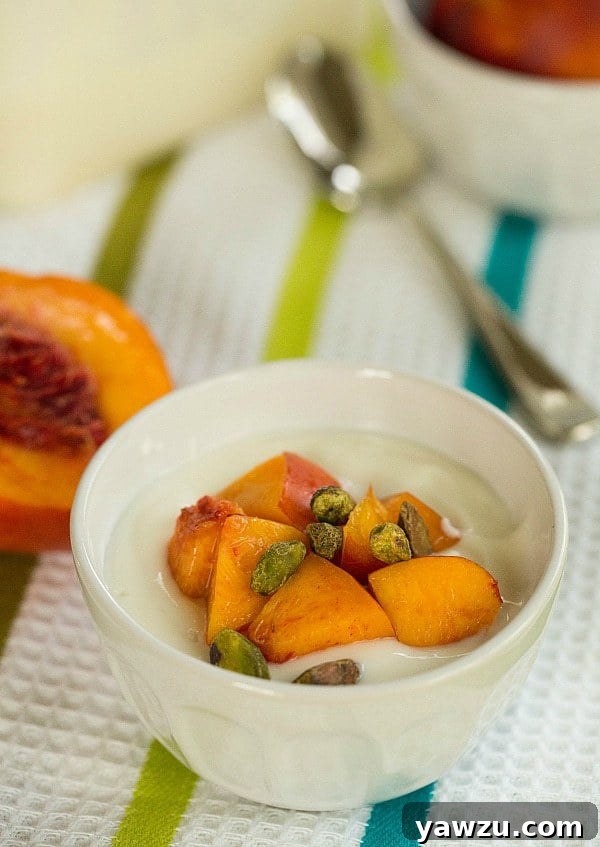
Then, this past summer, something shifted dramatically. My taste buds, it seems, decided to perform a complete 360-degree turn. I gave plain yogurt another shot, this time pairing it with fresh, ripe fruit. And just like that, a revelation! The natural sweetness of the fruit perfectly complemented the tang of the yogurt, creating a harmonious balance that required no extra sweeteners whatsoever. The experience was transformative. Naturally, the very next thought that popped into my head was, “If I love plain yogurt this much, why not try making it myself?”
Unlocking the Magic: My First Successful Homemade Dairy Product
Embarking on my journey into homemade dairy products, I was met with an exhilarating success right from the start! This homemade Greek yogurt quickly became my proudest achievement, especially after previous attempts at crafting mozzarella cheese yielded less-than-stellar results. The sheer simplicity of making yogurt truly surprised me; it felt almost too good to be true, yet the delicious outcome spoke for itself.
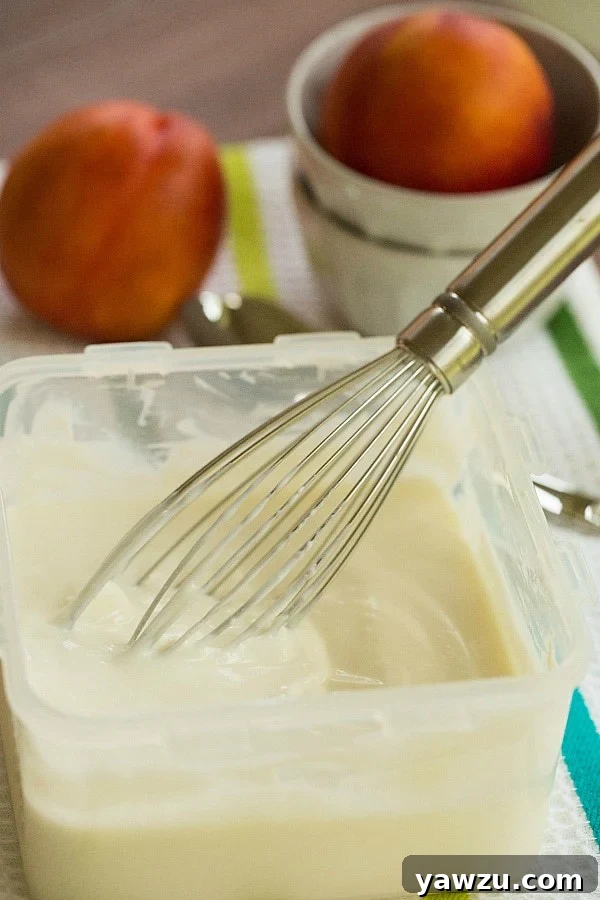
The process is incredibly straightforward, almost magical in its transformation. It begins by gently heating milk in a saucepan, allowing it to reach a specific temperature. Once heated, it’s crucial to let the milk cool down to an ideal temperature before introducing the star ingredient: a small amount of plain yogurt, which acts as the vital starter culture. This starter is whisked into the cooled milk, and then the mixture is left to incubate, giving the beneficial bacteria time to work their wonders, transforming the milk into thick, creamy yogurt. For those seeking the characteristic richness and density of true Greek-style yogurt, an additional step is required: straining the yogurt to remove the whey. This critical step concentrates the yogurt, resulting in an incomparably thicker and creamier texture.
The resulting yogurt was nothing short of fantastic. It boasted a perfect balance of thickness, creaminess, and a delightfully tangy flavor that was exactly what I had been searching for. For an extra layer of flavor, a teaspoon of pure vanilla extract can be stirred in, though I found it to be utterly delicious in its unadulterated form. While some recipes I encountered suggested dry milk powder as an optional ingredient to enhance thickness, I consciously decided to omit it. My goal was to create the purest, cleanest product possible, and I was incredibly satisfied with the rich, natural results achieved without any additives.
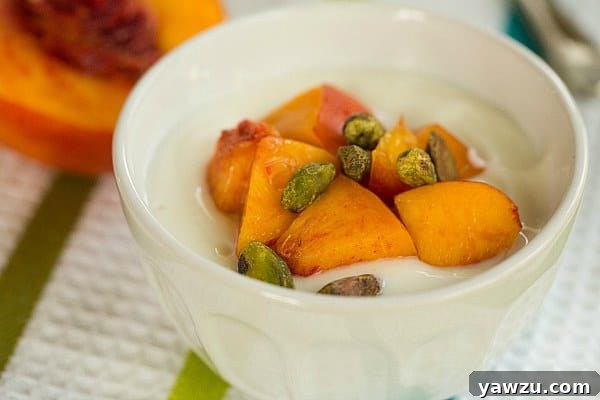
This summer, my favorite way to savor this homemade goodness has been pairing the plain yogurt with either juicy mango or sweet nectarine, often topped with a handful of crunchy pistachios. It makes for an incredibly satisfying breakfast that keeps me feeling full and energized for hours. It’s a versatile base for countless culinary creations. I’m eager to hear how you enjoy your yogurt – what are your favorite combinations or serving suggestions?
Beyond the Basics: The Incredible Benefits of Crafting Your Own Greek Yogurt
Making Greek yogurt at home isn’t just a fun culinary experiment; it’s a step towards a healthier, more sustainable lifestyle. There are numerous compelling reasons to embrace this DIY endeavor:
- Complete Control Over Ingredients: This is arguably the biggest advantage. You decide what goes into your yogurt. No hidden sugars, no artificial flavors, no stabilizers, thickeners, or preservatives. Just pure milk and live active cultures. This is especially beneficial for those with dietary restrictions or who are mindful of their sugar intake.
- Superior Freshness and Taste: Homemade yogurt, especially when fresh, often boasts a brighter, cleaner, and more vibrant flavor than its store-bought counterparts. The tangy notes are more pronounced, and the creamy texture is unparalleled.
- Cost-Effective: While the initial investment in a thermometer might be necessary, in the long run, making your own yogurt is significantly cheaper than continuously buying premium Greek yogurt from the store. A gallon of milk can yield a substantial amount of yogurt, making it budget-friendly.
- Boosted Probiotics: You have control over the type and amount of starter culture, potentially leading to a richer concentration of beneficial probiotics. These live bacteria are crucial for gut health, aiding digestion, boosting immunity, and even influencing mood.
- Reduced Waste: By making yogurt at home, you minimize packaging waste from individual plastic containers, contributing to a more eco-friendly kitchen.
- A Sense of Accomplishment: There’s immense satisfaction in creating something delicious and wholesome from scratch. It’s a rewarding experience that connects you more deeply with your food.
The rich, creamy texture of Greek yogurt, achieved through the straining process, also means a higher protein content per serving compared to regular yogurt. This makes it an excellent choice for keeping you feeling full longer, supporting muscle health, and providing sustained energy throughout your day.
Mastering the Art: Expert Tips for Flawless Homemade Greek Yogurt
While the process is simple, a few key details can elevate your homemade Greek yogurt from good to absolutely glorious. Pay attention to these tips for consistent success:
- Choose the Right Milk: Opt for high-quality, whole milk for the creamiest results. Crucially, avoid “ultra-pasteurized” (UHT) milk. The intense heat treatment of UHT milk can alter its proteins, preventing proper coagulation and resulting in a thin, runny yogurt. Standard pasteurized milk works best. While low-fat milk can be used, whole milk will always yield a richer texture.
- Accurate Temperature Control is Key: A reliable thermometer is your best friend in yogurt making. Heating the milk to 185°F (85°C) denatures whey proteins, preventing them from separating and creating a smoother, thicker yogurt. Cooling it to 110-112°F (43-44°C) is vital because this is the optimal temperature range for the live cultures in your starter to thrive. Too hot, and you kill the cultures; too cool, and they won’t activate properly.
- Select a Potent Starter: Your starter yogurt must contain live and active cultures. Check the label! A fresh, unexpired plain Greek yogurt with a good reputation for its live cultures will give you the best start. Avoid flavored yogurts or those with inactive cultures.
- Create a Warm, Stable Environment: The incubation period is where the magic happens. A consistent temperature between 100-110°F (38-43°C) is essential. Common methods include:
- Oven with the Light On: The warmth from a simple oven light is often enough to maintain the ideal temperature.
- Yogurt Maker: These appliances are designed specifically for temperature control and convenience.
- Cooler Method: Place your yogurt container in a cooler filled with warm water (not hot enough to kill cultures) or wrap it in towels.
- Instant Pot: Many modern multi-cookers have a “yogurt” setting that makes incubation effortless.
Ensure the yogurt remains undisturbed during this crucial period.
- Patient Straining for Greek Yogurt: The longer you strain, the thicker your Greek yogurt will be. Use a fine-mesh strainer lined with several layers of cheesecloth or sturdy coffee filters. The drained liquid is whey, which is packed with nutrients and can be used in smoothies, baking, or even as a starter for fermented vegetables.
- Cleanliness is Paramount: Always work with clean utensils and containers to prevent unwanted bacteria from contaminating your yogurt and hindering the fermentation process.
By following these guidelines, you’ll consistently produce velvety, tangy homemade Greek yogurt that rivals any premium store-bought brand, tailor-made to your preferences.
DIY: Homemade Greek Yogurt
Yield: 2 cups
Prep Time: 30 mins
Cook Time: 10 mins
Resting / draining time: 10 hrs
Total Time: 40 mins (active) + 10 hrs (inactive)
An easy recipe for making homemade Greek yogurt.
Pin
Ingredients
- 4 cups (944 ml) low-fat milk, not ultra-pasteurized
- ¼ cup (50 g) plain 2% Greek yogurt (with live active cultures)
Instructions
- Place a fine-mesh strainer over a large glass bowl; set aside. Heat the milk over medium-low heat (do not stir while heating), until the milk reaches 185 degrees F. Remove from the heat and allow to cool to 160 degrees F. Strain the milk through the prepared strainer and let cool, gently stirring occasionally, until the milk registers 110 to 112 degrees F.
- In a small bowl, gently stir about ½ cup of the warm milk into the yogurt until smooth. Stir the yogurt mixture back into the milk. Cover tightly with plastic wrap and poke several holes in the plastic. Place the bowl in the oven and turn on the oven light, creating a warm environment of 100 to 110 degrees F. Let the yogurt sit undisturbed until thickened and set, 5 to 7 hours. Transfer the bowl to the refrigerator until completely chilled, at least 3 hours.
- Set a fine-mesh strainer over a 4-cup or 8-cup measuring cup and line with a double layer of coffee filters or cheesecloth. Transfer the yogurt to the prepared strainer, cover with plastic wrap and refrigerate until about 2 cups of liquid have drained into the measuring cup, anywhere from 4 to 8 hours (mine often plateaus around 1.5 cups).
- Transfer the strained yogurt to an airtight container or jar, discarding the strained liquid (whey). The yogurt can be refrigerated for up to 1 week.
Notes
Nutritional values are based on one cup.
Nutrition Information (per 1 cup serving, approximate):
Calories: 219kcal, Carbohydrates: 24g, Protein: 18g, Fat: 5g, Saturated Fat: 3g, Cholesterol: 25mg, Sodium: 219mg, Potassium: 708mg, Sugar: 25g, Vitamin A: 925IU, Calcium: 623mg, Iron: 0.1mg
Did you make this recipe?
Leave a review below, then snap a picture and tag @thebrowneyedbaker on Instagram so I can see it!
Author: Michelle Lettrich
Course: Snack
Cuisine: American
From Our Archives: More Delicious Recipes to Explore
If you enjoyed crafting this homemade Greek yogurt, you might be interested in exploring some of our other cherished recipes from years past. Here’s a peek into our culinary history:
- One year ago: Peach Strudel and Malted Milk Chocolate Chip, Peanut & Pretzel Oatmeal Cookies
- Two years ago: Honey Fig Scones and Bread and Butter Pickles
- Three years ago: Lemon Bars and Artichoke Spinach Dip
- Four years ago: Potato-Bacon Torte and Blueberry-Buttermilk Scones
- Five years ago: Croissants
- Six years ago: Ranch Pretzels
Embrace the Homemade Revolution: A Healthier You, One Spoonful at a Time
Creating your own homemade Greek yogurt is more than just a recipe; it’s a journey into mindful eating, empowering you with control over your food choices and delighting your palate with unparalleled freshness. The satisfaction of transforming simple ingredients into a versatile, nutritious staple is immense. Whether you’re aiming to reduce sugar intake, boost your probiotic consumption, or simply savor the superior taste of truly fresh dairy, this DIY Greek yogurt recipe is a fantastic starting point.
Don’t be intimidated by the process; it’s incredibly forgiving and the rewards are well worth the minimal effort. Experiment with different incubation methods, adjust straining times to achieve your preferred thickness, and most importantly, have fun with it! Your kitchen is about to become a hub of delicious, healthy innovation. So, grab your milk, find a good starter, and get ready to enjoy the rich, tangy goodness of your very own homemade Greek yogurt. Happy fermenting!