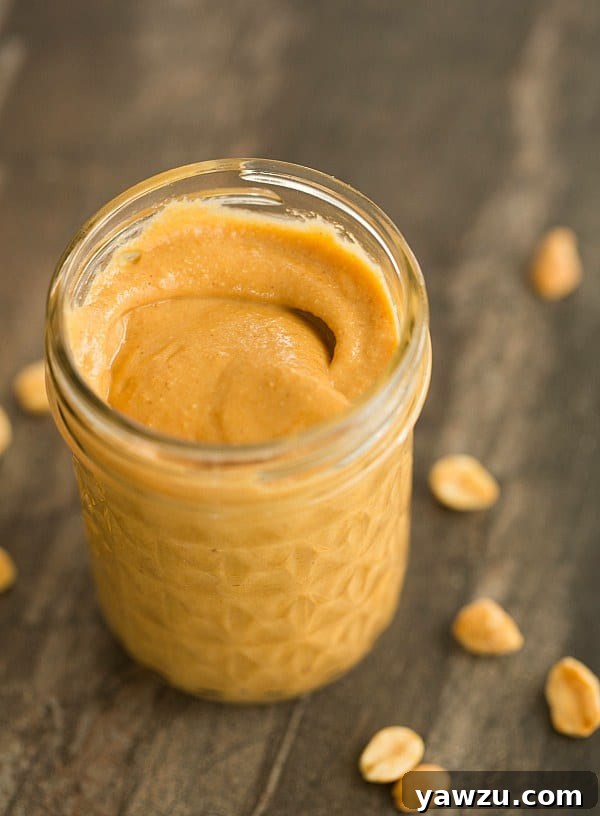
Unlock the Secret to Creamy, Delicious Homemade Peanut Butter in Under 10 Minutes!
For many, peanut butter isn’t just a spread; it’s a way of life. From childhood lunchboxes to satisfying late-night cravings, the rich, nutty flavor of peanut butter holds a special place in our hearts and on our plates. I’ve been a self-proclaimed peanut butter enthusiast my entire life, always finding new ways to incorporate this versatile delight into my daily routine. Whether it was slathered on sandwiches, paired with chocolate in my favorite desserts, or simply enjoyed straight from the spoon, my love for peanut butter has only grown stronger over the years.
However, despite my enduring passion, it wasn’t until recently that I discovered the true magic of making peanut butter from scratch. The revelation was profound: homemade peanut butter boasts an incredibly vibrant, intensely nutty flavor that far surpasses any store-bought variety. It’s fresher, more aromatic, and undeniably “nutty” in a way that mass-produced versions simply can’t replicate. After sharing a glimpse of my homemade creation on Instagram, I was met with an outpouring of requests for the recipe and a step-by-step guide. The exciting news? Crafting your own delicious peanut butter is astonishingly simple, requiring just one ingredient and less than ten minutes of your time. Prepare to revolutionize your snack game!
Why Choose Homemade Peanut Butter? The Irresistible Advantages
Beyond the sheer satisfaction of creating something delicious with your own hands, homemade peanut butter offers a multitude of benefits that make it a superior choice:
- Unmatched Flavor and Freshness: The most significant advantage is the taste. When you make peanut butter at home, you capture the peak freshness and robust flavor of the peanuts. There are no stale notes or artificial aftertastes—just pure, concentrated peanut goodness.
- Complete Control Over Ingredients: Commercial peanut butter often contains added sugars, hydrogenated oils, and preservatives. When you make it yourself, you dictate what goes in (or, more importantly, what doesn’t). This allows you to create a healthier, cleaner product tailored to your dietary preferences.
- Cost-Effectiveness: Buying roasted peanuts in bulk can often be more economical than purchasing premium natural peanut butter from the store, especially if you consume it frequently.
- Customization Options: The possibilities for flavor customization are endless. From adjusting the sweetness and saltiness to incorporating unique spices or mix-ins, homemade peanut butter becomes a canvas for your culinary creativity.
- Better for Health: Without unnecessary added sugars, unhealthy fats, or artificial ingredients, homemade peanut butter can be a fantastic source of protein, healthy fats, and fiber, contributing to a balanced diet.
Starting Simple: The Single Ingredient You Need
The beauty of this recipe lies in its minimalist approach: all you truly need is a bag of high-quality dry roasted peanuts. I personally lean towards unsalted peanuts, which gives me full control over the final seasoning. This particular batch yields approximately 2 cups of rich, creamy peanut butter, but you can effortlessly adjust the quantity up or down to suit your needs or the capacity of your food processor.
Essential Equipment: Your Kitchen Companion
While various machines can grind nuts, a sturdy food processor is your best friend for making homemade peanut butter. Its powerful motor and wide bowl design are ideal for the continuous processing required to transform peanuts into a smooth spread. If a food processor isn’t available, a high-speed blender can also work, though it may require more frequent scraping and a keen eye to prevent motor strain. For blenders, consider processing in smaller batches to ensure efficiency and protect your appliance.
The Transformation: A Step-by-Step Guide to Creamy Perfection
The journey from dry roasted peanuts to luxurious peanut butter is a fascinating one, driven by the natural oils within the nuts and the friction of your food processor. Here’s a detailed timeline of what to expect:
First, carefully pour your dry roasted peanuts into the bowl of your food processor. Ensure the lid is securely fastened before you begin.
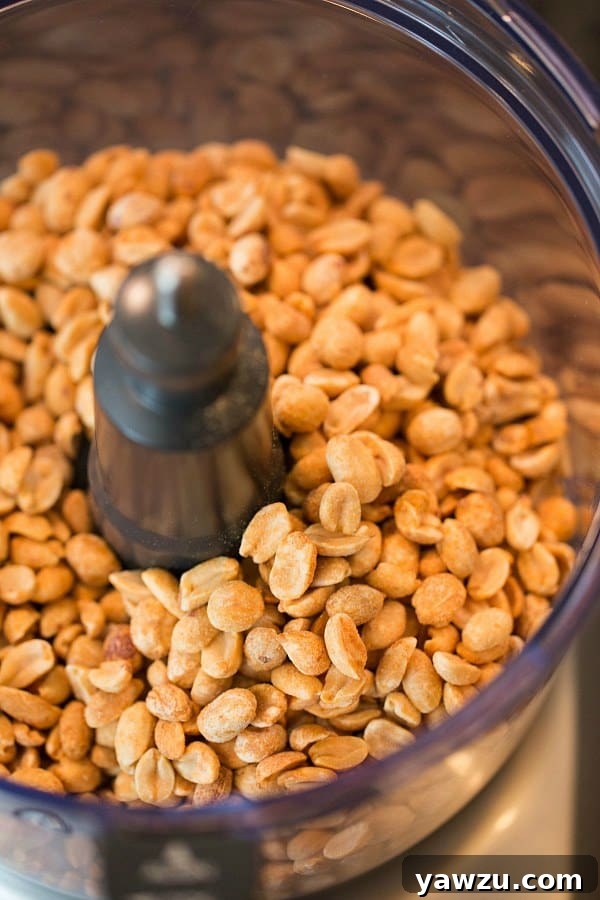
Phase 1: The Initial Grind (0-30 seconds)
Start running the food processor and let it work its magic. Within the first 15 seconds, you’ll observe the peanuts breaking down into a coarse, crumbly meal. It won’t look much like peanut butter yet, but this is the crucial first step where the nuts are thoroughly pulverized.
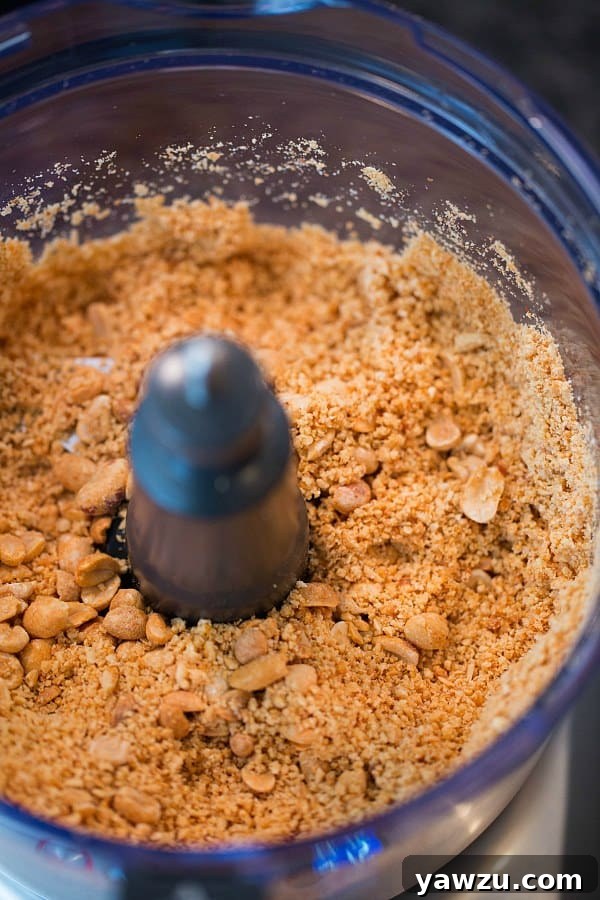
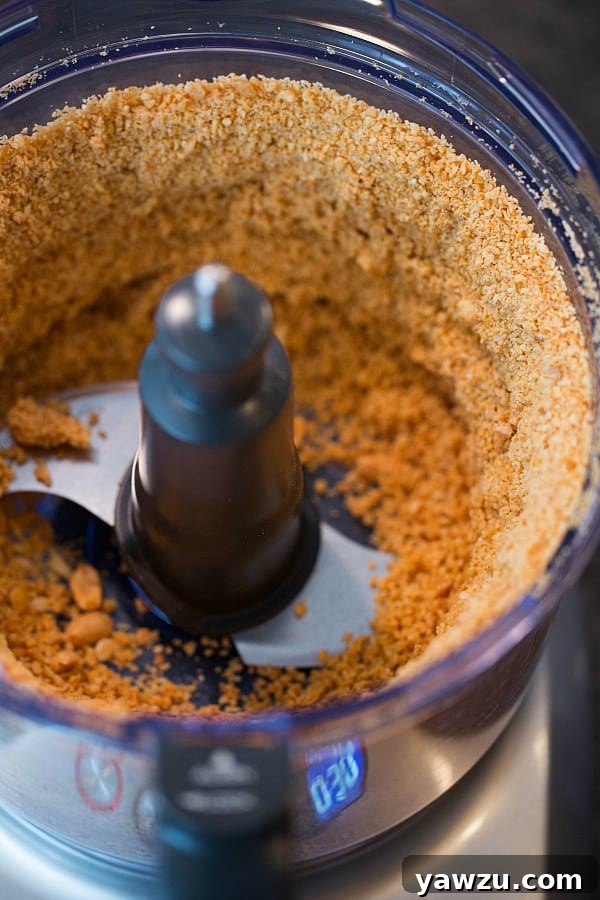
By the 30-second mark, the nuts will be much more finely ground, resembling a thick powder. You might notice some of this fine powder beginning to stick to the inside walls of the food processor bowl. This is a good time to pause briefly and use a spatula to scrape down the sides, ensuring all the peanuts are evenly processed.
Phase 2: The Clumping Stage (1 minute)
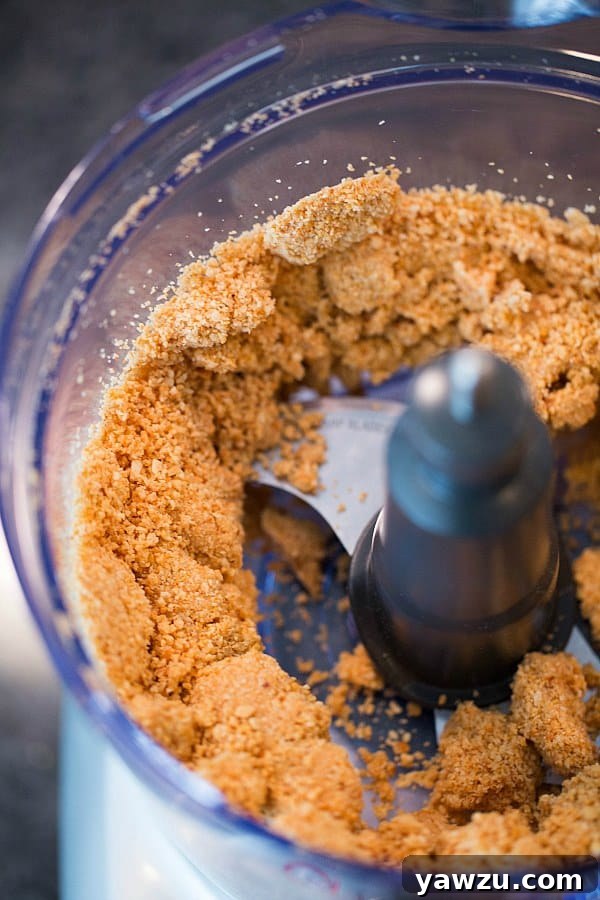
Around the one-minute mark, a significant change occurs. The finely ground peanuts will start to clump together, forming a sticky, thick mass. This texture often reminds people of a graham cracker crust or a very dense, wet sand. Continue processing, and don’t forget to scrape down the sides again if needed to ensure uniform consistency.
Phase 3: Thick Paste Formation (1 minute 30 seconds)
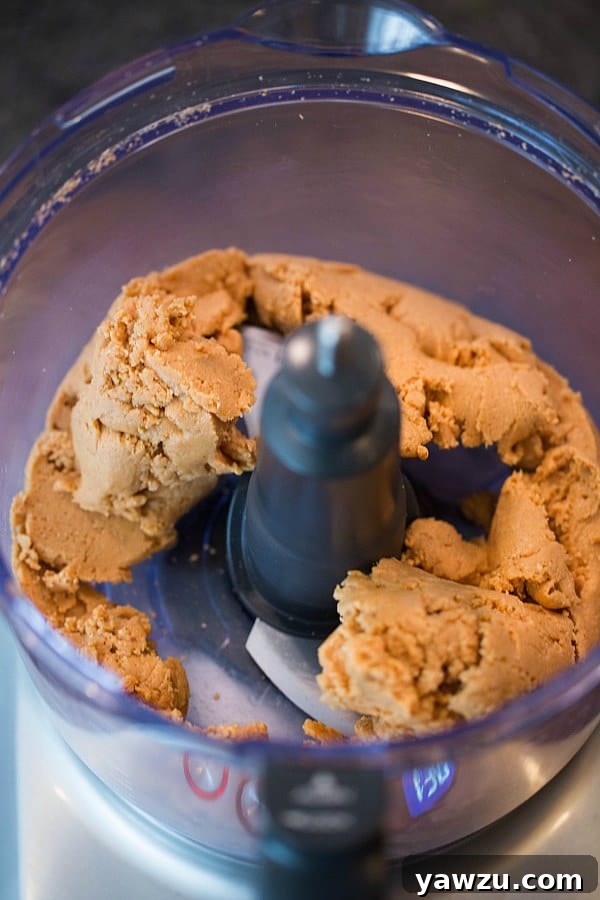
As we reach one minute and 30 seconds, the mixture evolves into a very thick, dense paste. The natural oils are now really starting to release, making the mixture smoother and more pliable. It’s still quite firm, but you can see it progressing. Keep going – you’re getting closer to that desired creamy texture!
Phase 4: The Peanut Butter Emerges (2 minutes)
At the two-minute mark, the transformation becomes truly evident. The peanut mixture will break down further, and you’ll clearly see it taking on the familiar appearance of peanut butter. It might still be a bit thick, but the smoothness is unmistakable. We are almost there!
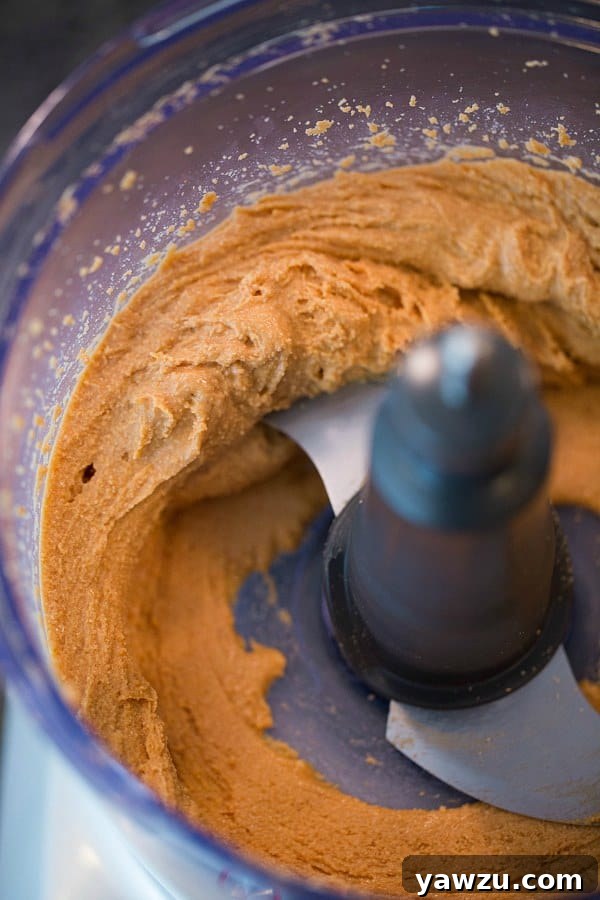
Phase 5: Creamy Perfection Achieved! (2 minutes 30 seconds – 5 minutes)
Finally, usually around the two-and-a-half-minute mark (though it can sometimes take up to 5 minutes depending on your machine and the peanuts), you’ve hit the peanut butter jackpot! The mixture will have reached a beautifully smooth, creamy, and pourable consistency. At this point, you can stop processing, or let it churn for a little longer if you prefer an even silkier texture. The friction from the blades generates enough heat to warm the natural oils, making it incredibly fluid.
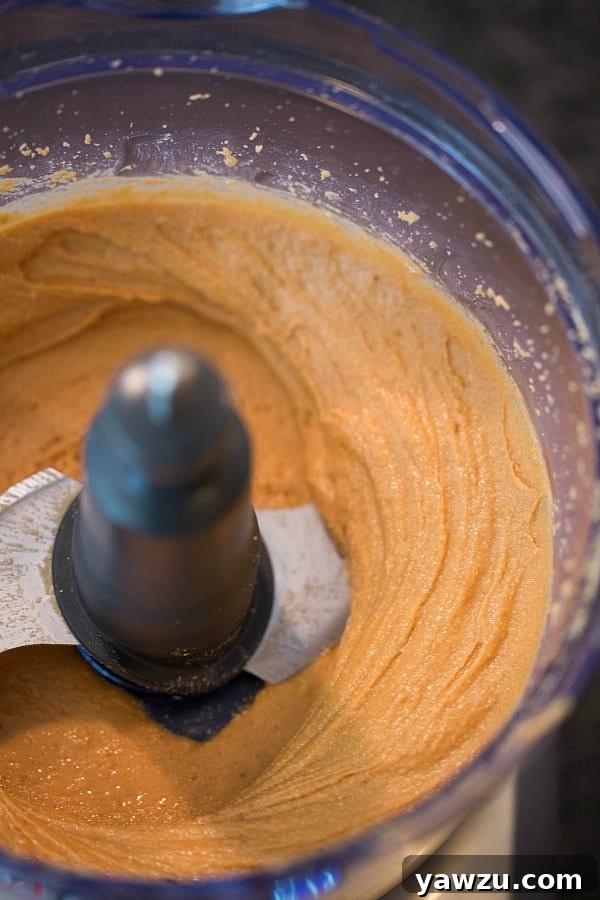
Enjoying and Storing Your Fresh Creation
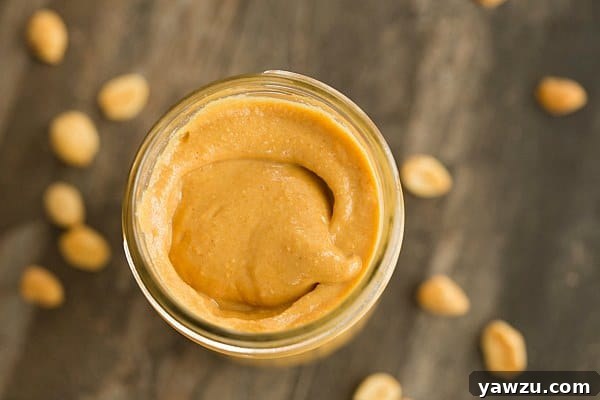
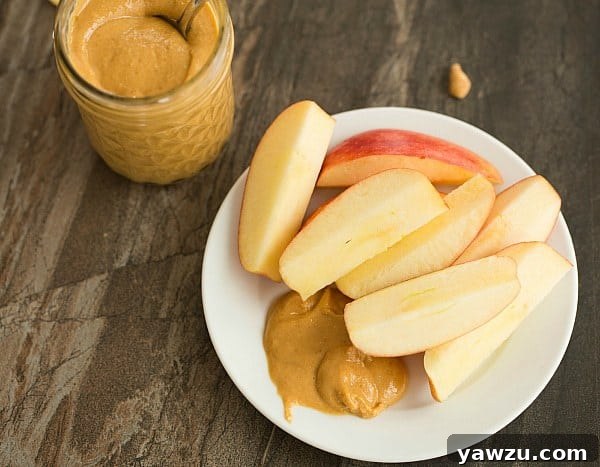
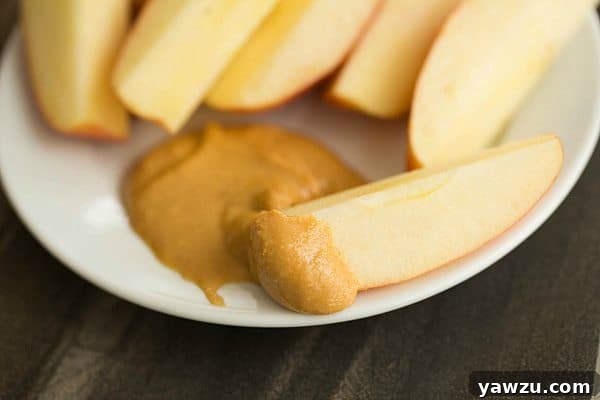
Once your homemade peanut butter reaches the desired smoothness, the real fun begins! You can, and many do (myself included, guilty as charged!), grab a spoon and enjoy it straight from the food processor. It’s also perfect for spreading on slices of apple, warm toast, or integrating into your favorite recipes. For storage, transfer your freshly made peanut butter into a clean glass jar or an airtight container. Keep it refrigerated, where it will stay fresh and delicious for up to one month. Due to the absence of stabilizers, natural oil separation may occur; simply stir it back in before each use.
Elevate Your Spread: Creative Homemade Peanut Butter Variations
While plain creamy peanut butter is a masterpiece in itself, its versatility truly shines when you start experimenting with different flavors. Here are some fantastic ideas to jazz up your homemade batch, transforming it into a gourmet spread:
Delicious Variations
- Chunky Peanut Butter: For those who love a bit of texture, simply pulse an additional 1 cup of whole or coarsely chopped dry roasted peanuts into the finished, creamy peanut butter. Pulse just a few times until you reach your preferred chunky consistency, being careful not to over-process and make it creamy again.
- Honey Peanut Butter: For a touch of natural sweetness, add 2 teaspoons of honey to your finished peanut butter. Process until the honey is thoroughly disbursed and fully incorporated, creating a perfectly balanced sweet and nutty spread.
- Cinnamon-Raisin Peanut Butter: Infuse your peanut butter with warm, fruity notes by adding ½ cup of raisins, 3 tablespoons of ground cinnamon, and 2 tablespoons of granulated sugar. Pulse these ingredients into the finished peanut butter until they are evenly distributed, resulting in a delightfully spiced and textured spread that’s perfect for breakfast.
- Maple Peanut Butter: For an earthy, sweet twist, incorporate 1 tablespoon of pure maple syrup into your creamy peanut butter. Process until well combined, yielding a subtly sweet and aromatic spread that pairs wonderfully with pancakes or oatmeal.
- Chocolate Peanut Butter: Stir in 2-3 tablespoons of unsweetened cocoa powder and a touch of sweetener (like honey or maple syrup) for a decadent chocolate-peanut butter fusion.
- Spicy Peanut Butter: Add a pinch of cayenne pepper or chili flakes for an exciting kick, perfect for savory applications like Asian-inspired sauces.
The beauty of this method extends far beyond peanuts! You can apply the exact same process (and incorporate similar add-ins) to create a variety of delicious nut and seed butters. Feel free to experiment by swapping in almonds, cashews, pecans, walnuts, or even sunflower seeds for a customizable, allergy-friendly alternative. For harder nuts like almonds, you might find that adding a teaspoon of neutral oil (like peanut oil or a mild vegetable oil) helps achieve a smoother consistency more quickly. Lightly toasting nuts before processing can also enhance their flavor and aroma significantly.
What’s your ultimate favorite peanut butter flavor? I’m a loyal crunchy girl through and through, loving that satisfying textural contrast!
Important Note on Equipment Choice: Food Processor vs. Blender
I’ve personally experimented with making batches of peanut butter in both a food processor and a high-speed blender. While both appliances can get the job done, I found the food processor to be significantly easier and more efficient. With a blender, I frequently had to stop, remove the lid, and use a tamper or spoon to push the peanuts down towards the blade. At one point, I even noticed a slight burning smell from the blender’s motor, indicating it was under considerable strain. If you own a food processor, I strongly recommend using it for this task. Its design is simply better suited for processing large quantities of nuts into butter. If a blender is your only option, consider working in smaller batches to make it more manageable for your appliance and to prevent overheating.
Troubleshooting Common Homemade Peanut Butter Issues
- Too Dry/Crumbly: If your peanut butter seems stuck in the crumbly stage and isn’t releasing enough oil, you can add 1-2 teaspoons of a neutral oil (like peanut oil, vegetable oil, or melted coconut oil) to help kickstart the process. Continue blending until smooth.
- Overheating Your Machine: Making nut butter can be demanding on your appliance. If you notice your food processor or blender getting hot or hear the motor straining, turn it off and let it rest for a few minutes before resuming. This prevents damage to your machine.
- Uneven Texture: Always remember to scrape down the sides of your food processor bowl frequently. This ensures that all the peanuts are evenly processed and helps prevent pockets of unground nuts.
One year ago: Buckeye Brownies
Two years ago: Stovetop Macaroni and Cheese and Baked Asiago and Caramelized Onion Hummus Dip
Three years ago: Caramelized Onion, Mushroom and Gruyere Tartlets
Four years ago: English Muffins
Five years ago: Vanilla Ice Cream (Philadelphia Style)
Six years ago: Spaghetti and Meatballs
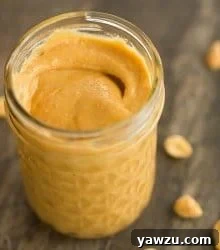
Homemade Peanut Butter
Pin
Rate
Ingredients
- 4 cups (600 g) dry roasted peanuts
Instructions
-
Place the peanuts in the bowl of a food processor, and process for 2 to 3 minutes, until smooth and creamy, stopping to scrape the sides of the bowl as needed.
-
Store the peanut butter in a glass jar or airtight container in the refrigerator for up to 1 month.
Notes
Did you make this recipe?
Leave a review below, then snap a picture and tag @thebrowneyedbaker on Instagram so I can see it!