Fettuccine Alfredo, served with Fresh Pasta
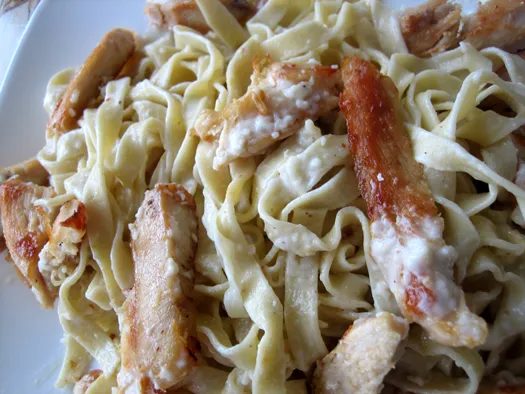
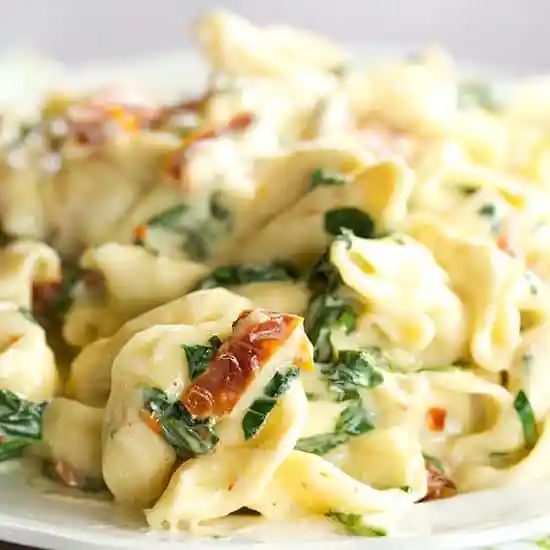
We were on the hunt for a special sort of dinner tonight, and was trying to steer clear of beef or filets since we made Beef Wellington last Friday night. We were stumped, so we pulled up our 100 List to see if anything on there could provide some inspiration. As we browsing we saw fettuccine alfredo, which is one of our favorite dishes to eat when out to a restaurant, and also something that we have yet to master at home. Sweet, we had our dinner! Then on our list we saw “from-scratch noodles”… hmmm… That sure would make fettuccine alfredo infinitely better, would it not? This was an absolutely rich dinner – we might be officially addicted to fresh from-scratch pasta, and this alfredo sauce was just reliable!
Growing up eating authentic Italian dinners at our grandma’s each Sunday, the notion of fresh pasta is not something that is inherently new to us, but it’s been quite a long time since we've had it and this was the first time that we actually made it myself. We did make gnocchi back in the winter that was absolutely wonderful, but of course those dumplings are much different than actual noodles. All told, it took us about one hour to make the pasta dough, roll the sheets, and cut the noodles. A small investment for something so good, in our opinion.
We are including the recipe quantities that we used – we would say they were enough to feed two adults if you are into portion control. The next time we make this we will double the pasta and probably do 2.5x the sauce recipe. It would allow for some leftovers as well. We are planning to do a process post on making fresh pasta in the near future, so be on the lookout for that, as there will be a lot of detailed pictures!
Fresh Fettuccine Alfredo
Yield: 2 servings There's nothing quite like fresh pasta!For the Fresh Pasta
- 1 cup (125 g) all-purpose flour
- 2 large eggs
For the Alfredo Sauce
- ½ cup (119 ml) heavy cream
- 1 tablespoon butter
- ½ cup (50 g) grated Parmesan cheese
- Freshly ground black pepper and salt, to taste
- 1. To make the Fresh Pasta: First make a mountain of flour on your work surface, then create a crater in the center (err on the larger size when creating the crater). Add your eggs in the crater. Use a fork and beat the eggs in the crater incorporating a little bit of the flour at a time. Once the egg mixture begins to look like a batter, you can start incorporating more of the flour into the dough. After incorporating all the flour, you will end up with a dough. If the dough is still sticky, add some more flour. Knead by pushing with the heel of your palm, fold the dough in half, give it a half turn, and repeat the process for 8 minutes or until it feels smooth.
- 2. Have 1 or 2 parchment-line baking sheets or trays ready. Divide the dough in half. Keep one half on the floured surface, covered iwth a kitchen towel to prevent it from drying out. Before handling the dough, dust your hands, the machine, any accessories and the baking sheet with flour. Lightly flour the work surface. Using a rolling pin, flatten the dough into a rectangle thin enough to go through the rollers at the widest setting (#1 on our pasta machine). Feed the dough through the rollers while turning the handle, then lay the dough down on the work surface and flour it lightly. Fold the dough into thirds lengthwise to make a rectangle and lightly flour both sides. Flatten the dough with the rolling pin until it is thin enough to go through the rollers again. With one of the two open edges going first, pass the dough through the rollers nine times more at the widest setting; after each time, flour, fold and flatten the dough. After 10 trips through the wide rollers, the dough should be completely smooth and supple.
- 3. Now you are ready to thin the dough. Starting at the second-to-widest setting (#2), pass the dough repeatedly through the rollers, setting the rollers one notch narrower each time. When the dough becomes too long, cut it in half and roll one piece at a time until it reaches the desired thickness (our pasta maker has 6 settings, and for the fettuccine we rolled the pasta sheets to the second thinnest setting, #5).
- 4. Dust the baking sheets with flour, arrange the rolled out pasta sheets on the baking sheet, separating each layer with parchment and dusting with flour as needed. Cover with kitchen towels to prevent them from drying out. Repeat the entire process with the other half of the dough.
- 5. Wrap the tray of pasta with plastic wrap, making sure that it is completely sealed to prevent drying out. Let the pasta rest for at least 10 minutes before cutting so that it is not too soft.
- 6. Before cutting the pasta sheets, line a baking sheet or wide, shallow container with parchment paper and dust with flour. Keep additional flour nearby for dusting.
- 7. Feed the pasta sheets one at a time through the cutting attachment. Dust the pasta evenly but lightly with flour. Gently father the pasta together lengthwise in a bundle, dust with flour, and carefully twist and shape it into a small, nested mound. Transfer the pasta to the prepared baking sheet or container and dust the top lightly with flour. Repeat with the remaining pasta sheets.
- 8. If not cooking the pasta immediately, cover it tightly with plastic wrap. Refrigerate up to 3 days or freeze up to 1 month.
- 9. Bring a pot of water to a boil, drizzle some olive oil into the water, then add the pasta. Cook for 1 1/2 - 2 minutes or until the pasta is al dente. Drain the pasta.
- 10. To make the Alfredo Sauce: Simmer the cream and butter in a saucepan over low heat until it has slightly thickened, about 5 minutes. Add the cheese, remove from heat, and stir until mostly incorporated and melted. Add freshly ground black pepper and salt to taste. Toss with pasta.
- Yield: 2 servings
- Prep: 1 hour
- Cook: 15 minutes
- Total: 1 hour 15 minutes
Ingredients
For the Fresh Pasta
- 1 cup ( 125 g ) all-purpose flour
- 2 large eggs
For the Alfredo Sauce
- ½ cup ( 119 ml ) heavy cream
- 1 tablespoon butter
- ½ cup ( 50 g ) grated Parmesan cheese
- Freshly ground black pepper and salt, to taste
Method
- 1. To make the Fresh Pasta: First make a mountain of flour on your work surface, then create a crater in the center (err on the larger size when creating the crater). Add your eggs in the crater. Use a fork and beat the eggs in the crater incorporating a little bit of the flour at a time. Once the egg mixture begins to look like a batter, you can start incorporating more of the flour into the dough. After incorporating all the flour, you will end up with a dough. If the dough is still sticky, add some more flour. Knead by pushing with the heel of your palm, fold the dough in half, give it a half turn, and repeat the process for 8 minutes or until it feels smooth.
- 2. Have 1 or 2 parchment-line baking sheets or trays ready. Divide the dough in half. Keep one half on the floured surface, covered iwth a kitchen towel to prevent it from drying out. Before handling the dough, dust your hands, the machine, any accessories and the baking sheet with flour. Lightly flour the work surface. Using a rolling pin, flatten the dough into a rectangle thin enough to go through the rollers at the widest setting (#1 on our pasta machine). Feed the dough through the rollers while turning the handle, then lay the dough down on the work surface and flour it lightly. Fold the dough into thirds lengthwise to make a rectangle and lightly flour both sides. Flatten the dough with the rolling pin until it is thin enough to go through the rollers again. With one of the two open edges going first, pass the dough through the rollers nine times more at the widest setting; after each time, flour, fold and flatten the dough. After 10 trips through the wide rollers, the dough should be completely smooth and supple.
- 3. Now you are ready to thin the dough. Starting at the second-to-widest setting (#2), pass the dough repeatedly through the rollers, setting the rollers one notch narrower each time. When the dough becomes too long, cut it in half and roll one piece at a time until it reaches the desired thickness (our pasta maker has 6 settings, and for the fettuccine we rolled the pasta sheets to the second thinnest setting, #5).
- 4. Dust the baking sheets with flour, arrange the rolled out pasta sheets on the baking sheet, separating each layer with parchment and dusting with flour as needed. Cover with kitchen towels to prevent them from drying out. Repeat the entire process with the other half of the dough.
- 5. Wrap the tray of pasta with plastic wrap, making sure that it is completely sealed to prevent drying out. Let the pasta rest for at least 10 minutes before cutting so that it is not too soft.
- 6. Before cutting the pasta sheets, line a baking sheet or wide, shallow container with parchment paper and dust with flour. Keep additional flour nearby for dusting.
- 7. Feed the pasta sheets one at a time through the cutting attachment. Dust the pasta evenly but lightly with flour. Gently father the pasta together lengthwise in a bundle, dust with flour, and carefully twist and shape it into a small, nested mound. Transfer the pasta to the prepared baking sheet or container and dust the top lightly with flour. Repeat with the remaining pasta sheets.
- 8. If not cooking the pasta immediately, cover it tightly with plastic wrap. Refrigerate up to 3 days or freeze up to 1 month.
- 9. Bring a pot of water to a boil, drizzle some olive oil into the water, then add the pasta. Cook for 1 1/2 - 2 minutes or until the pasta is al dente. Drain the pasta.
- 10. To make the Alfredo Sauce: Simmer the cream and butter in a saucepan over low heat until it has slightly thickened, about 5 minutes. Add the cheese, remove from heat, and stir until mostly incorporated and melted. Add freshly ground black pepper and salt to taste. Toss with pasta.