Meringue: The Ultimate Guide
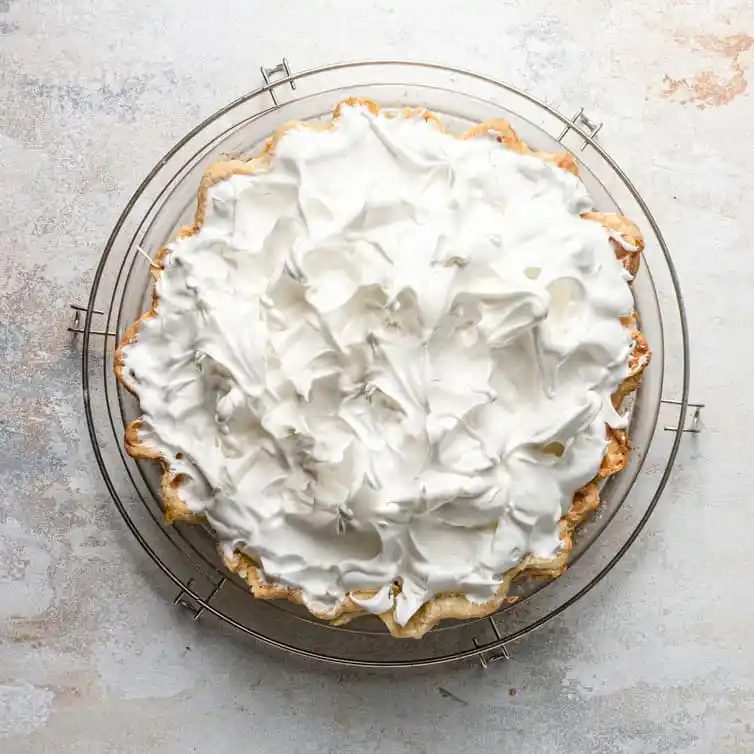
All of our best tips for how to make the reliable meringue, with a basic recipe, step-by-step instructions, a video, and tons of advice and troubleshooting tips to ensure your meringue whips up glossy, stiff, and beautiful each and every time!
If you’ve ever wondered, what is meringue? And how in the world can we make it?! You’ve come to the right place!
Meringue intimidates many home cooks, but we're here to unravel the mystery and give you the confidence to grab your egg whites and start whipping the next time you see it in a recipe. You will be making it like a pro in no time!
You’ve undoubtedly heard of lemon meringue pie, but what else is meringue used for? So many things! It can top other pies and puddings, be baked to create cookies or pavlova, or mixed with butter to create some of the most luscious, silky smooth frostings you’ve ever tasted.
Meringue begins with egg whites and sugar and is transformed into billowy white clouds of pure deliciousness.
Let’s tackle it together!
The importance of cream of tartar
This little ingredient is so important, it deserves its own section here.
Cream of tartar is an acid that stabilizes the egg whites and is what gives you those big, beautiful, billowy pillows of fluffy white meringue. To get science-y on you, it keeps the proteins from the egg whites from sticking together, which ensures a super-smooth meringue that will not wilt or deflate on itself.
How much? The general rule of thumb is to use ⅛ teaspoon for every egg white in the recipe.
Substitute: If you are out of cream of tartar and don’t have time to get to the store, you can substitute ½ teaspoon lemon juice (another acid!) for every egg white in the recipe.
Different types of meringue
There are three main types of meringue; while they all combine egg whites and sugar in some way, the techniques used are different, as are the applications. Let’s discuss:
French Meringue – This is the type we’re talking about today! Also known as “uncooked” meringue, it’s simply the whipping together of egg whites and sugar until peaks form; it is typically used to top pies and make meringue cookies and pavlovas and is always baked in some way after preparing.
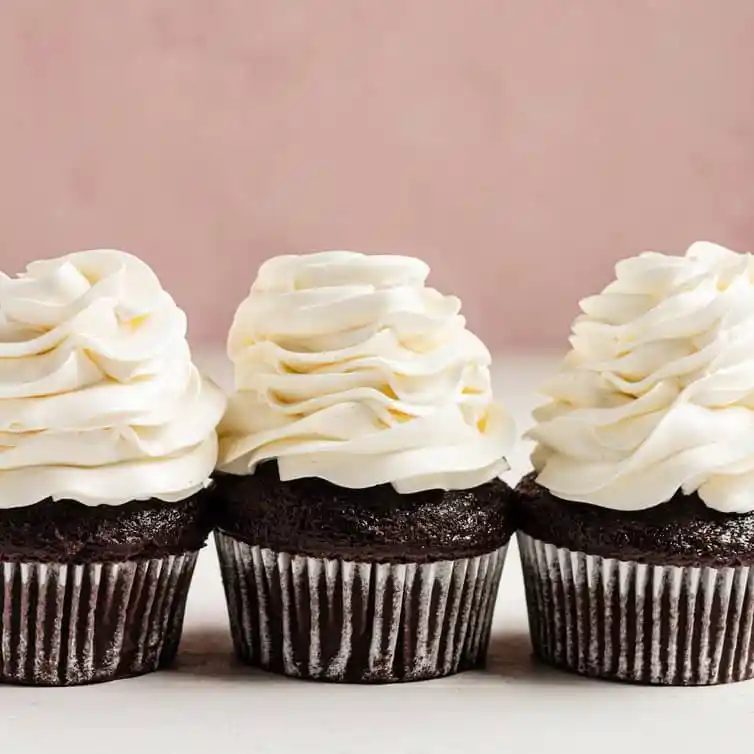
Swiss Meringue – To make this meringue, the egg whites and sugar are heated together to a specific temperature (we always heat to 160 degrees F so it is safe to eat), ensuring the sugar has dissolved, and then mixed until room temperature, and whipped until stiff peaks form. To turn this into Swiss meringue buttercream frosting, once you have stiff peaks and the mixture is no longer warm, add butter a piece at a time, and whip until it is light, fluffy, and silky smooth. A reliable topping for cakes and cupcakes!
Italian Meringue – Italian meringue is made with hot sugar syrup. Egg whites are whipped to soft peaks in a mixer, then the sugar syrup that has been boiled to “soft ball” stage is gradually poured in while the mixer is running, then the mixture whipped until it has cooled to room temperature. Since the sugar is cooked and added to the egg whites, it is safe to eat without baking, so is reliable for recipes that use meringue toppings that are not baked, or merely torched. It is the most stable of all the meringues, holds its shape well, and can also be turned into Italian meringue buttercream frosting with the addition of butter!
Baker notes
Follow these tips for memorable, picture-reliable meringue every single time:
- Use room temperature eggs – Separating eggs is easiest when they are cold, but then let the egg whites come to room temperature (about 30 minutes) before making the meringue; this ensures they whip up with maximum volume.
- Use a clean bowl and utensils – Even the slightest hint of fat (egg yolk, residual oil on a bowl or beaters, etc.) can prevent the egg whites from reaching stiff peaks. Ensure that everything is completely clean and dry before beginning.
- Gradually add the sugar – It’s important to add the sugar only a little bit at a time (a couple of tablespoons); adding it slowly ensures that the sugar gets absorbed into the egg whites and eliminates a gritty texture, and also reduces the chances of the meringue collapsing and failing to reach stiff peaks (this can happen if a lot of sugar is added all at once).
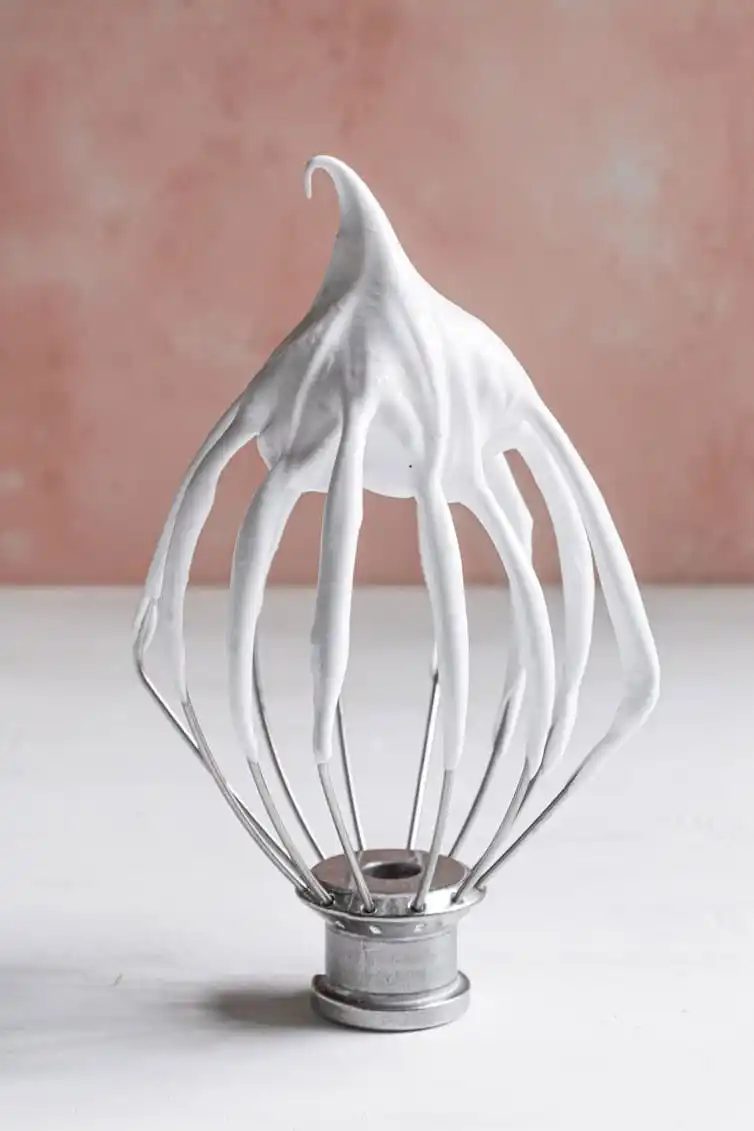
- You can’t overbeat meringue – It’s true! You can’t ruin it by mixing too much, so once all of the sugar is added, be sure that it is glossy and that you have firm, stiff peaks when you remove the beater from the mixer. Don’t be afraid to mix a little longer if it appears too soft.
- Adding colors/flavors – If you want to add different flavors, you should do so when the vanilla extract is added. To make a colored meringue, add food coloring (we recommend gel food coloring to eliminate extra liquid being introduced into the recipe) once the meringue has reached stiff peaks, and beat until the color is completely incorporated.
- Recommended equipment: The easiest way to make meringue is with a stand mixer (hands-free!), but we routinely make it with our trusty hand mixer. You can also make it by hand, just use a large wire whisk and some elbow grease! It will take a little longer, but it can be done!
- Check the weather: Meringue is notoriously sticky and difficult to whip into stiff peaks on humid days. While central heating and cooling eliminate most problems, we do notice a difference when we work with it or bread dough (our grandma used to say the same about her pizzelles!) on a dry winter day vs a warm summer day, even with central air. To keep issues at bay, opt for a day with low humidity.
What to make with meringue:
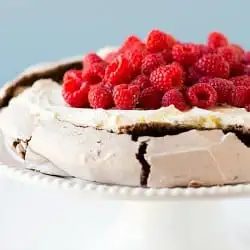
- Pavlova: Try a classic pavlova, a pavlova layer cake, or even a chocolate pavlova!
- Cookies: Make a batch of chocolate chip meringue cookies.
- Pie: Lemon meringue pie is a classic, but you can top any citrus-y or even cream pie with meringue!
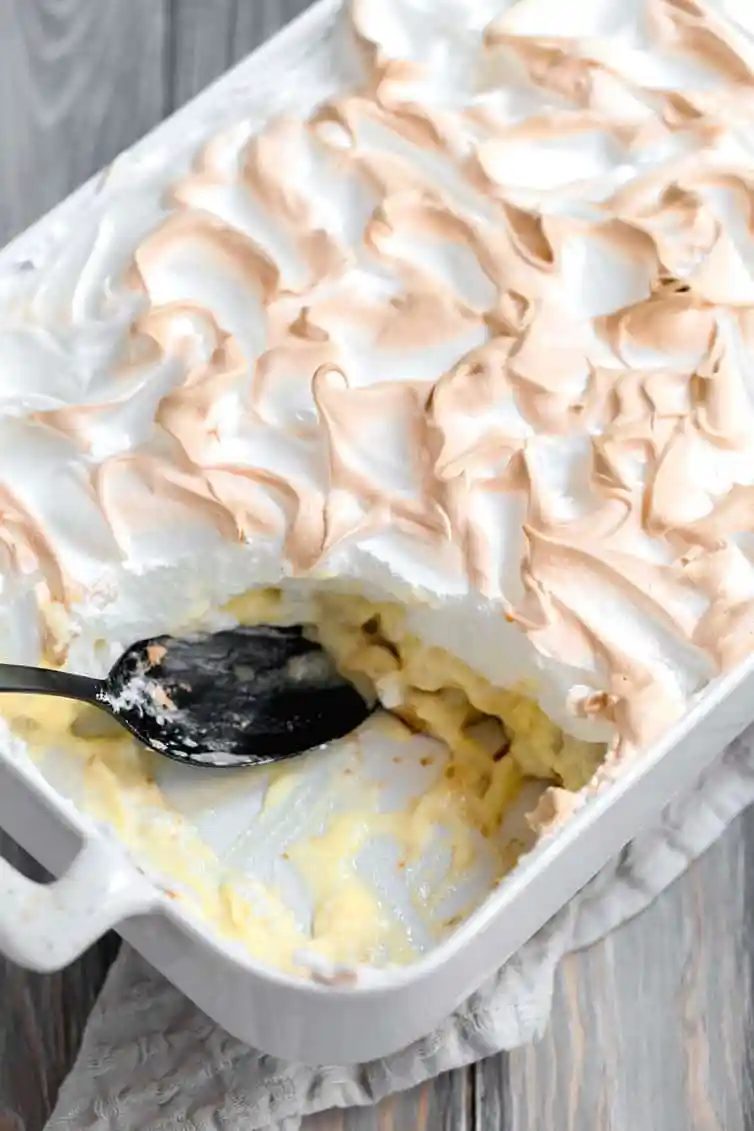
- Pudding: Classic southern-style banana pudding is topped with a gorgeous meringue.
If you make this recipe and love it, we would so appreciate it if you would take a moment to leave a rating below. Thank you so much! ❤️️
Basic Meringue Recipe
Yield: 8 All of our best tips for how to make the reliable meringue, with step-by-step instructions, a video, and tons of advice and troubleshooting tips to ensure your meringue whips up glossy, stiff, and beautiful each and every time!- 5 egg whites
- ½ teaspoon cream of tartar
- ½ teaspoon vanilla extract
- Pinch salt
- ½ cup (99 g) granulated sugar
- Using an electric mixer with the whisk attachment (or a hand mixer), beat the egg whites on medium speed until frothy, then add the cream of tartar, salt, and vanilla extract.
- Increase the mixer speed to medium-high and beat to soft peaks. While continuing to beat the egg whites, gradually add the granulated sugar and beat until glossy and stiff peaks form.
Notes
- Eggs - Use room temperature eggs. Egg whites from a box or carton are not recommended.
- Clean bowl and utensils - Even the slightest hint of fat (egg yolk, residual oil on a bowl or beaters, etc.) can prevent the egg whites from reaching stiff peaks. Ensure that everything is completely clean and dry before beginning.
- Gradually add the sugar - It's important to add the sugar only a little bit at a time (a couple of tablespoons); adding it slowly ensures that the sugar gets absorbed into the egg whites and eliminates a gritty texture, and also reduces the chances of the meringue collapsing and failing to reach stiff peaks (this can happen if a lot of sugar is added all at once).
- You can't overbeat meringue - It's true! You can't ruin it by mixing too much, so once all of the sugar is added, be sure that your meringue is glossy and that you have firm, stiff peaks when you remove the beater from the mixer. Don't be afraid to mix a little longer if it appears too soft.
- Adding colors/flavors - If you want to add different flavors, you should do so when the vanilla extract is added. To make a colored meringue, add food coloring (we recommend gel food coloring to eliminate extra liquid being introduced into the meringue) once the meringue has reached stiff peaks, and beat until the color is completely incorporated.
- Equipment: The easiest way to make meringue is with a stand mixer (hands-free!), but we routinely make it with our trusty hand mixer. You can also make it by hand, just use a large wire whisk and some elbow grease! It will take a little longer, but it can be done!
- Weather: Meringue is notoriously sticky and difficult to whip into stiff peaks on humid days. While central heating and cooling eliminate most problems, we do notice a difference when we work with meringue or bread dough on a dry winter day vs a warm summer day, even with central air. To keep issues at bay, opt for a day with low humidity.
- Recipes using meringue: For tons of ideas, see the links in the post above.
[Photography by Dee of One Sarcastic Baker]
- Yield: 8
- Prep: 15 minutes
- Total: 15 minutes
Ingredients
- 5 egg whites
- ½ teaspoon cream of tartar
- ½ teaspoon vanilla extract
- Pinch salt
- ½ cup ( 99 g ) granulated sugar
Method
- Using an electric mixer with the whisk attachment (or a hand mixer), beat the egg whites on medium speed until frothy, then add the cream of tartar, salt, and vanilla extract.
- Increase the mixer speed to medium-high and beat to soft peaks. While continuing to beat the egg whites, gradually add the granulated sugar and beat until glossy and stiff peaks form.
Notes
Eggs - Use room temperature eggs. Egg whites from a box or carton are not recommended.
Clean bowl and utensils - Even the slightest hint of fat (egg yolk, residual oil on a bowl or beaters, etc.) can prevent the egg whites from reaching stiff peaks. Ensure that everything is completely clean and dry before beginning.
Gradually add the sugar - It's important to add the sugar only a little bit at a time (a couple of tablespoons); adding it slowly ensures that the sugar gets absorbed into the egg whites and eliminates a gritty texture, and also reduces the chances of the meringue collapsing and failing to reach stiff peaks (this can happen if a lot of sugar is added all at once).
You can't overbeat meringue - It's true! You can't ruin it by mixing too much, so once all of the sugar is added, be sure that your meringue is glossy and that you have firm, stiff peaks when you remove the beater from the mixer. Don't be afraid to mix a little longer if it appears too soft.
Adding colors/flavors - If you want to add different flavors, you should do so when the vanilla extract is added. To make a colored meringue, add food coloring (we recommend gel food coloring to eliminate extra liquid being introduced into the meringue) once the meringue has reached stiff peaks, and beat until the color is completely incorporated.
Equipment: The easiest way to make meringue is with a stand mixer (hands-free!), but we routinely make it with our trusty hand mixer. You can also make it by hand, just use a large wire whisk and some elbow grease! It will take a little longer, but it can be done!
Weather: Meringue is notoriously sticky and difficult to whip into stiff peaks on humid days. While central heating and cooling eliminate most problems, we do notice a difference when we work with meringue or bread dough on a dry winter day vs a warm summer day, even with central air. To keep issues at bay, opt for a day with low humidity.
Recipes using meringue: For tons of ideas, see the links in the post above.
[Photography by Dee of One Sarcastic Baker ]