Paska Easter Bread
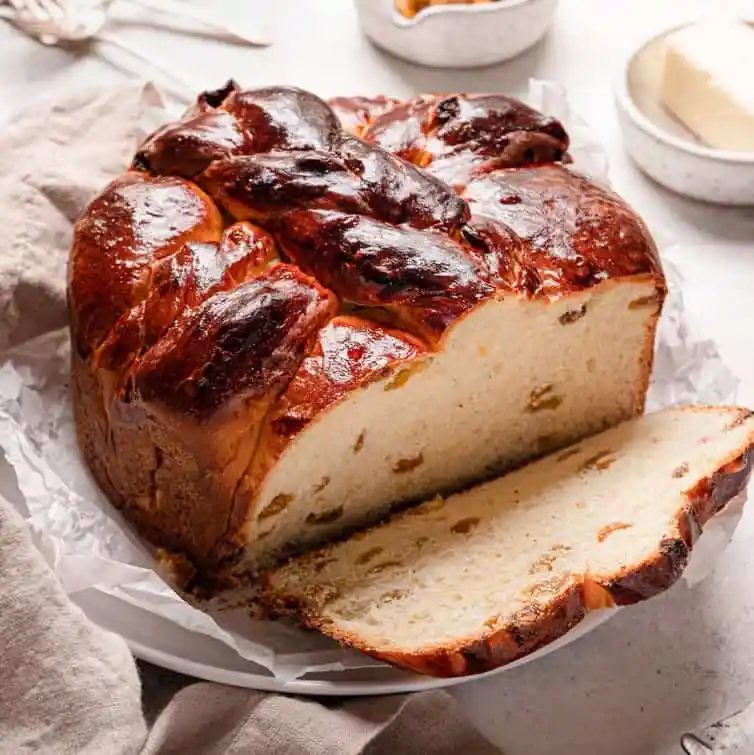
Traditional Paska Bread makes a sweet and delightful addition to your Easter table. This straightforward-to-make sweet bread uses pantry staple ingredients to make a soft and tender loaf of bread. Studded with golden raisins and a braided top, this rich bread is the reliable addition to your Easter celebrations.
Our mom’s side of the family is Italian and that is where we get the majority of our Easter recipes; things like Italian Easter Bread, Pigu, Bacon and Cheese Easter Bread, and Italian Easter Pie. On our dad’s side of the family, our grandmother is Polish and our grandfather was Irish. We don’t know as much about those food traditions, but we're trying to take the opportunity each year to learn more.
A while ago, our grandma shared this recipe for Paska bread with us. She said she got it years ago from a woman she began chatting with at a department store. They talked about recipes and the woman took down our grandma’s address and said she would send her the family’s Paska recipe. Lo and behold, a few days later, a handwritten recipe showed up in our grandma’s mailbox. As someone who loves to talk about food and share recipes, we just love that story!
What is Paska?
When we first set out to make the recipe we wanted to learn a little more about where it originated and how it’s served.
Paska is a traditional Easter bread from Ukraine and eastern Europe. In Russia, this sweet, eggy bread is called Kulich. It’s most often made in the spring to celebrate Easter. The word Paska translates to “Easter” in most eastern European cultures (except Finland where it’s a 4-letter word).
Traditionally, paska bread is made and taken to church Easter morning to be blessed and then brought home to be enjoyed with Easter meals.
How to Make Paska Bread
We're breaking this down into steps to walk you through the process; first, we make the dough, then shape the loaf, and bake the bread. Let’s do it!
Make the Bread Dough
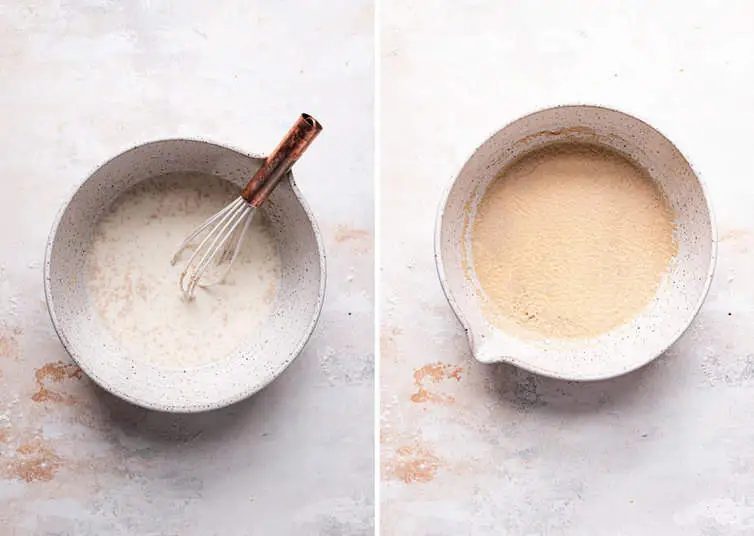
- Activate the yeast: Warm the milk to a temperature between 100°F and 110°F (usually 30 seconds in the microwave should do the trick). Pour the warmed milk into a mixing bowl and sprinkle the yeast over top and let sit for 5 to 10 minutes, until foamy.
- Add liquid ingredients: Add sugar, butter, eggs, and vanilla to the bowl. Stir to combine.
- Make a shaggy dough: Add the flour and the salt into the bowl. Stir with a wooden spoon until a shaggy dough forms. If using, add the golden raisins.
- Knead the dough: Using the dough hook, knead on medium-low speed until a smooth, shiny ball of dough is formed, 3 to 6 minutes, adding additional flour as necessary. (You can also knead by hand until a smooth ball is formed.)
- Let dough rise: Place the dough in a greased bowl and cover with plastic wrap. Place in a warm, draft0free spot until double in size, 1 to 2 hours.
Form and Shape the Dough
- Divide the dough: Punch the dough down and remove it from the bowl to a clean work area. Remove one-quarter of the dough and set aside.
- Shape the base: Form the large piece of dough into a ball and place in a 9-inch round cake pan or a springform pan.
- Braid the dough: Divide the remaining dough into three pieces and roll them each into 20-inch strands. Braid the three strands together for one long braid.
- Top the dough: Divide the braid in half and use it to form a cross over the top of the large ball of dough in the pan. Alternately you can wrap the braid in one length around the inside edge of the pan.
- Allow to rise: Cover lightly with plastic wrap and let rise until puffy and nearly double in size, 45 to 60 minutes.
Bake the Paska Bread
- Set the oven: Preheat the oven to 400°F.
- Make the egg wash: Whisk together the egg and water, then brush evenly all over the top of the dough and sprinkle with sugar.
- Bake the paska: Bake for 15 minutes, then reduce the oven temperature to 350°F and bake for an additional 25 to 30 minutes, until golden brown and an instant-read thermometer registers to 190°F. You can tent the pan with aluminum foil if it is browning too quickly.
- Cool the bread: Remove from the oven, turn the bread out of the pan, and place on a wire rack to cool completely.
Frosting and Glaze
We enjoy this paska bread recipe as is, but if you are looking to sweeten it up even more, try topping the bread with a simple powdered sugar and milk glaze or one of the following:
- Cream cheese frosting
- Vanilla buttercream frosting
- 7 minute frosting
- Orange glaze from our cranberry pound cake
Toppings and Mix-ins
- Traditional topping: Paska is often eaten with hrudka which is a bland, sweet custard similar to cheese.
- Other Toppings: Aside from frosting or a glaze you can top this sweet bread with sprinkles!
- Mix-ins: Chocolate chips, raisins or craisins, or candied fruits mix beautifully in the dough.
Storing, Freezing, Making Ahead
- Storing: Keep cooled paska bread in an air-tight container at room temperature for up to 3 days.
- Freezing: Wrap the cooled paska bread in a tight coat of plastic wrap followed by a layer of foil. Then store in a freezer-safe bag for up to 1 month. Thaw in the fridge overnight.
- Making ahead: You can make this 1 day in advance of serving it, to keep it as fresh as possible. Once cooled, wrap it tightly in two layers of plastic wrap and keep it at room temperature until serving.
- Leftovers: If you don’t want to freeze any of the leftover paska we would suggest slicing and using the bread in French toast or a bread pudding.
Other Rich Easter Recipes
- Italian Easter Pie Recipe
- Bacon and Cheese Easter Bread
- Italian Easter Bread
- Koulourakia: Greek Easter Cookies
- Tsoureki: Greek Easter Bread
Paska Bread
This Easter, delight your family with a loaf of this sweet Paska Bread. Made with pantry staple ingredients, this raisin studded bread is sure to be a show-stopper! Slather it with butter, a sweet glaze, or from-scratch icing for a rich treat!
Paska Easter Bread
Yield: 12 servings (1 loaf) This soft, sweet Paska Bread recipe is a traditional Ukrainian Easter bread recipe. The reliable sweet bread for your Easter day meals.- 1 cup (240 ml) whole milk, warmed to 110 degrees F
- 2¼ teaspoons (2.25 teaspoons) instant yeast, 0.25-ounce packet
- ½ cup (99 g) granulated sugar
- ¼ cup (57 g) unsalted butter, melted and cooled to room temperature
- 2 eggs
- 1½ teaspoons (1.5 teaspoons) vanilla extract
- 4 cups (480 g) all-purpose flour
- ½ teaspoon (0.5 teaspoon) salt
- 1 cup (160 g) golden raisins, optional
For the Egg Wash:
- 1 egg
- 2 tablespoons water
- Coarse sugar, for sprinkling, optional
- Warm the milk to between 100 to 110 degrees F (usually 30 seconds in the microwave does the trick!) and pour into a mixing bowl. Sprinkle the yeast over top and let sit for 5 to 10 minutes, until foamy.
- Add the sugar, butter, eggs, and vanilla extract, and stir to combine.
- Add the flour and the salt and stir with a wooden spoon until a shaggy dough forms. Add the golden raisins then, using the dough hook, knead on medium-low speed until a smooth, shiny ball of dough is formed, 3 to 6 minutes, adding additional flour as necessary. (You can also knead by hand until smooth ball is formed.) Place the dough in a greased bowl and cover with plastic wrap. Place in a warm, draft-free spot until doubled in size, 1 to 2 hours (rise time will depend on temperature and humidity in your kitchen).
- Punch dough down and remove from the bowl to a clean work area. Remove one-quarter of the dough and set aside. Form the large piece of dough into a ball and place in a 9-inch round cake pan or springform pan.
- Divide the remaining piece of dough into three pieces and roll them each out into a 20-inch strand. Braid the three strands together for one long braid. Divide the braid in half and use it to form a cross over the top of the large ball of dough in the pan. (Alternately, you can wrap the braid in one length around the inside edge of the pan.)
- Cover lightly with plastic wrap and let rise until puffy and nearly doubled in size, 45 to 60 minutes.
- Preheat oven to 400 degrees F.
- Whisk together the egg and water, then brush evenly all over the top of the dough and sprinkle with sugar, if desired.
- Bake for 15 minutes, then reduce the oven temperature to 350 degrees F and bake for an additional 25 to 30 minutes, until golden brown and an instant-read thermometer registers 190 degrees F. You can tent the pan with aluminum foil if it is browning too quickly. Remove from the oven, turn the bread out of the pan, and place it on a wire rack to cool completely.
Notes
- Equipment: 9-inch round cake pan or springform pan.
- Golden Raisins: You can substitute regular raisins, other chopped dried fruit, or omit entirely.
- Doubling Recipe: This recipe is easily doubled if you'd like to make two loaves - one for eating and one for gifting (or for your freezer!).
- Storing: Keep cooled paska bread in an air-tight container at room temperature for up to 3 days.
- Freezing: Wrap the cooled paska bread in a tight coat of plastic wrap followed by a layer of foil. Then store in a freezer-safe bag for up to 1 month. Thaw in the fridge overnight.
- Making ahead: You can make this 1 day in advance of serving it, to keep it as fresh as possible. Once cooled, wrap it tightly in two layers of plastic wrap and keep it at room temperature until serving.
- Leftovers: If you don't want to freeze any of the leftover paska we would suggest slicing and using the bread in French toast or a bread pudding.
Photography by Dee Frances
- Yield: 12 servings (1 loaf)
- Prep: 2 hours 30 minutes
- Cook: 1 hour
- Total: 3 hours 30 minutes
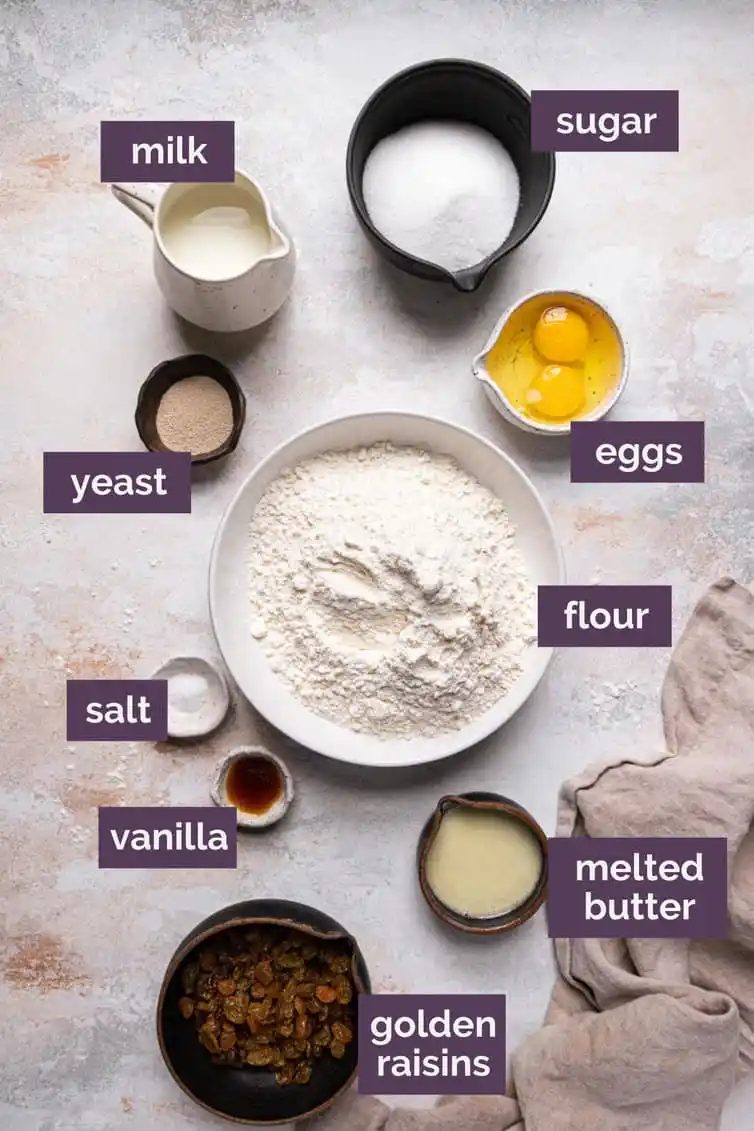
Ingredients
- 1 cup ( 240 ml ) whole milk, warmed to 110 degrees F
- 2¼ teaspoons ( 2.25 teaspoons ) instant yeast, 0.25-ounce packet
- ½ cup ( 99 g ) granulated sugar
- ¼ cup ( 57 g ) unsalted butter, melted and cooled to room temperature
- 2 eggs
- 1½ teaspoons ( 1.5 teaspoons ) vanilla extract
- 4 cups ( 480 g ) all-purpose flour
- ½ teaspoon ( 0.5 teaspoon ) salt
- 1 cup ( 160 g ) golden raisins, optional
For the Egg Wash:
- 1 egg
- 2 tablespoons water
- Coarse sugar, for sprinkling, optional
Method
- Warm the milk to between 100 to 110 degrees F (usually 30 seconds in the microwave does the trick!) and pour into a mixing bowl. Sprinkle the yeast over top and let sit for 5 to 10 minutes, until foamy.
- Add the sugar, butter, eggs, and vanilla extract, and stir to combine.
- Add the flour and the salt and stir with a wooden spoon until a shaggy dough forms. Add the golden raisins then, using the dough hook, knead on medium-low speed until a smooth, shiny ball of dough is formed, 3 to 6 minutes, adding additional flour as necessary. (You can also knead by hand until smooth ball is formed.) Place the dough in a greased bowl and cover with plastic wrap. Place in a warm, draft-free spot until doubled in size, 1 to 2 hours (rise time will depend on temperature and humidity in your kitchen).
- Punch dough down and remove from the bowl to a clean work area. Remove one-quarter of the dough and set aside. Form the large piece of dough into a ball and place in a 9-inch round cake pan or springform pan.
- Divide the remaining piece of dough into three pieces and roll them each out into a 20-inch strand. Braid the three strands together for one long braid. Divide the braid in half and use it to form a cross over the top of the large ball of dough in the pan. (Alternately, you can wrap the braid in one length around the inside edge of the pan.)
- Cover lightly with plastic wrap and let rise until puffy and nearly doubled in size, 45 to 60 minutes.
- Preheat oven to 400 degrees F.
- Whisk together the egg and water, then brush evenly all over the top of the dough and sprinkle with sugar, if desired.
- Bake for 15 minutes, then reduce the oven temperature to 350 degrees F and bake for an additional 25 to 30 minutes, until golden brown and an instant-read thermometer registers 190 degrees F. You can tent the pan with aluminum foil if it is browning too quickly. Remove from the oven, turn the bread out of the pan, and place it on a wire rack to cool completely.
Notes
Equipment: 9-inch round cake pan or springform pan.
Golden Raisins: You can substitute regular raisins, other chopped dried fruit, or omit entirely.
Doubling Recipe: This recipe is easily doubled if you'd like to make two loaves - one for eating and one for gifting (or for your freezer!).
Storing: Keep cooled paska bread in an air-tight container at room temperature for up to 3 days.
Freezing: Wrap the cooled paska bread in a tight coat of plastic wrap followed by a layer of foil. Then store in a freezer-safe bag for up to 1 month. Thaw in the fridge overnight.
Making ahead: You can make this 1 day in advance of serving it, to keep it as fresh as possible. Once cooled, wrap it tightly in two layers of plastic wrap and keep it at room temperature until serving.
Leftovers: If you don't want to freeze any of the leftover paska we would suggest slicing and using the bread in French toast or a bread pudding.
Photography by Dee Frances