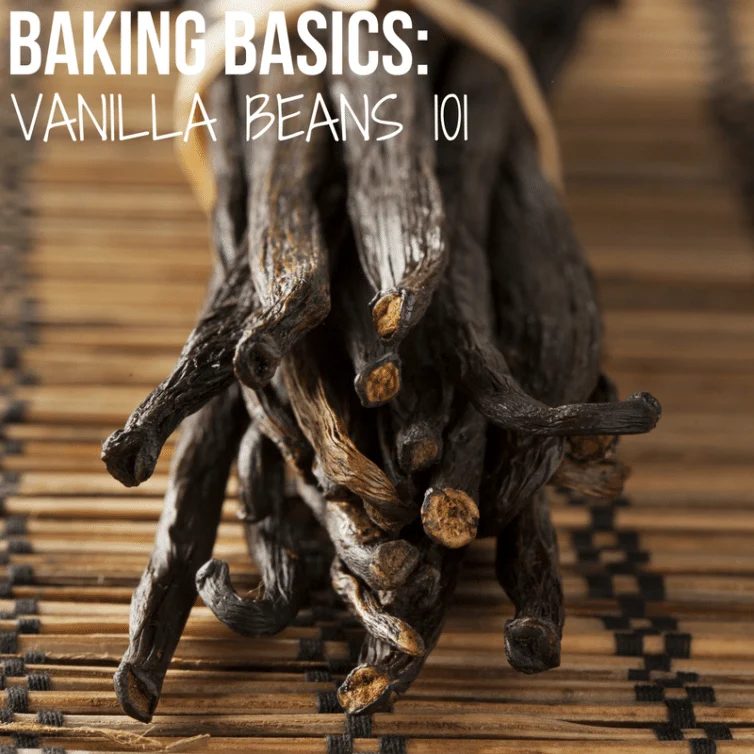
Baking Basics: Vanilla Beans 101
It’s another Baking Basics Tuesday!
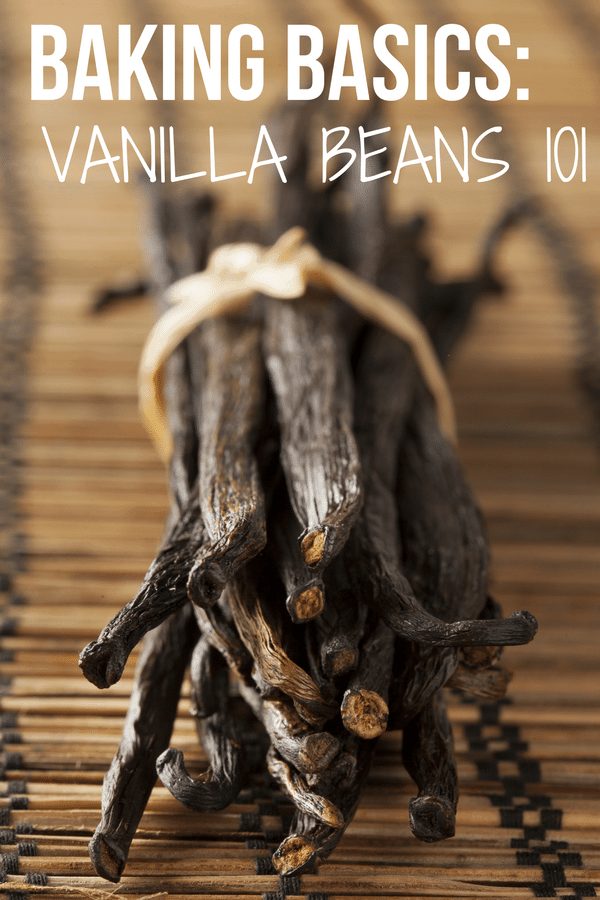
Today we’re talking about one of our favorite ingredients – vanilla beans! Most people that bake even occasionally keeps a bottle of vanilla extract in their pantry, but where did that come from? Vanilla beans!
There are a number of different varieties of vanilla beans, so today we’re going to explore all of the differences, and when it’s best to use each one. We're also including information on where we like to buy ours, how best to store them and A straightforward formula for making your own vanilla extract.
Let’s jump in!
Types of Vanilla Beans
- Madagascar (Bourbon) Vanilla Beans – These vanilla beans are grown in Madagascar and the West Indian island of Réunion. (Réunion was previously called the island of Bourbon, which is where this vanilla got its common name from.) This is the most typical type of vanilla and has a strong, sweet, rich and creamy flavors. This vanilla is best used in baked goods where the flavor is meant to complement, not dominate, the dish, which is most baked goods. This is the type of vanilla extract and vanilla bean paste that we keep in our pantry.
- Mexican Vanilla Beans – These (unsurprisingly) originated from Mexico, and the vanilla pods that are thicker than other varieties. This variety is dark, bold, smokey, and richer than Madagascar vanilla and has a robust fragrance. It’s best used in recipes where vanilla is meant to play a starring role.
- Tahitian Vanilla Beans – floral, cherry-chocolate Tahitian vanilla comes from the French Polynesian island of Tahiti. It has less natural vanillin (that distinctive vanilla taste) than Bourbon and Mexican vanilla. This variety has a more sweet, fruity, cherry-chocolate, floral, licorice taste. The Tahitian vanilla pod is fatter than Bourbon vanilla, and contains fewer seeds inside the pod. Its unique taste make it a great choice for dishes that use vanilla as its main flavor profile.
- Indian Vanilla Beans – Indian vanilla beans are less common than Madagascar Bourbon, Mexican and Tahitian vanilla; the flavor is sweet, creamy and extremely aromatic. Indian Vanilla Beans can be used in most of the same recipes where Madagascar Bourbon vanilla beans are used.
- Tonga Vanilla Beans – Tonga Vanilla Beans come from The Kingdom of Tonga which is made up of several island groups in the South Pacific. Because of Tonga’s rich fertile soil, beans from this region are superior, with an extremely bold flavor and aroma. Tonga vanilla beans are frequently used by gourmet chocolate makers because the of the bold, pronounced flavor.
Where to Buy Vanilla Beans
Our favorite place to buy vanilla beans is from Beanilla, but you can also find tons of varieties on Amazon.
Ways to serve it
The absolute worst thing is going to get your (expensive) vanilla beans from the pantry and finding that they have dried out. THE WORST. So how can you keep them as fresh as possible?
Simply wrap the vanilla beans (you can wrap them as a bundle, you don’t need to wrap them individually) tightly in plastic wrap and store in an airtight container. Store them in a cool, dark place like your pantry.
How to Make Your Own From-scratch Vanilla Extract
It’s straightforward! Plus, from-scratch vanilla extract is reliable for handing out at the holidays. If that’s your plan, get your beans and alcohol and get started soon!
Ideal Beans to Alcohol Ratio: 5 vanilla beans per 8 ounces of alcohol
Ideal Alcohol to Use: Vodka is the most common alcohol used in making vanilla extract, but you can totally play around with different liquors to impart different flavors. Other popular options are bourbon and brandy.
How to Do It: Using a paring knife, slit the vanilla beans lengthwise and drop them into the bottle of alcohol. Give it a little shake and then store it in a cool, dark place (pantry or basement) for about 2 months, shaking occasionally. You can leave the vanilla beans in the bottle as you use it, but they need to stay submerged, so you’ll need to top it off with more alcohol as you use the extract.
BAKE ON!
Check out more posts in the Baking Basics series:
5 Mistakes to Avoid When Preparing a Recipe
Flour 101: The Definitive Guide to the Different Types of Baking Flours
Cocoa Powder 101: Natural Unsweetened vs Dutch-Process
Baking Soda vs. Baking Powder: Everything You Need to Know!
Why You Should ALWAYS Weigh Your Ingredients
A List of Our Must-Have Ingredients
Our Essential Baking Equipment